 Mayday Flowers
Summer
Summer is short here and it does not hold back. From the first peony in early June to the late phlox in August, the garden is full, loud and constantly changing. This page covers the flowers that carry the season and the work that keeps them going through heat, storms and the odd week away.
Early summer: peonies, irises, lupins, foxgloves
The first three weeks of June are the high point of the cottage garden. Spring bulbs have finished, the soil is still moist from the thaw, and the long days push perennials into flower all at once. If you only see the garden once a year, see it now.
Peonies
Herbaceous peonies open from the last days of May to the end of June, depending on type. The single and Japanese-flowered types tend to be early, the big fully double ones later. A mature clump carries twenty or thirty flowers, each lasting about a week, and the best of them have a scent somewhere between rose and lemon. Peonies need a cold winter to flower properly, which makes them one of the plants that do better here than in mild gardens.
The doubles are heavy, especially after rain, and will lie on the ground unless supported. Put a ring or grid support over each clump in May while the shoots are 30 cm tall, so the stems grow up through it. After flowering, cut off the faded heads but leave the leaves, which feed the roots and turn a good red or bronze in autumn. Ants on the buds are harmless; they are after the sugary sap and do not damage the flowers. For planting depth, division and the reasons a peony refuses to flower, see the peonies page.
Bearded irises
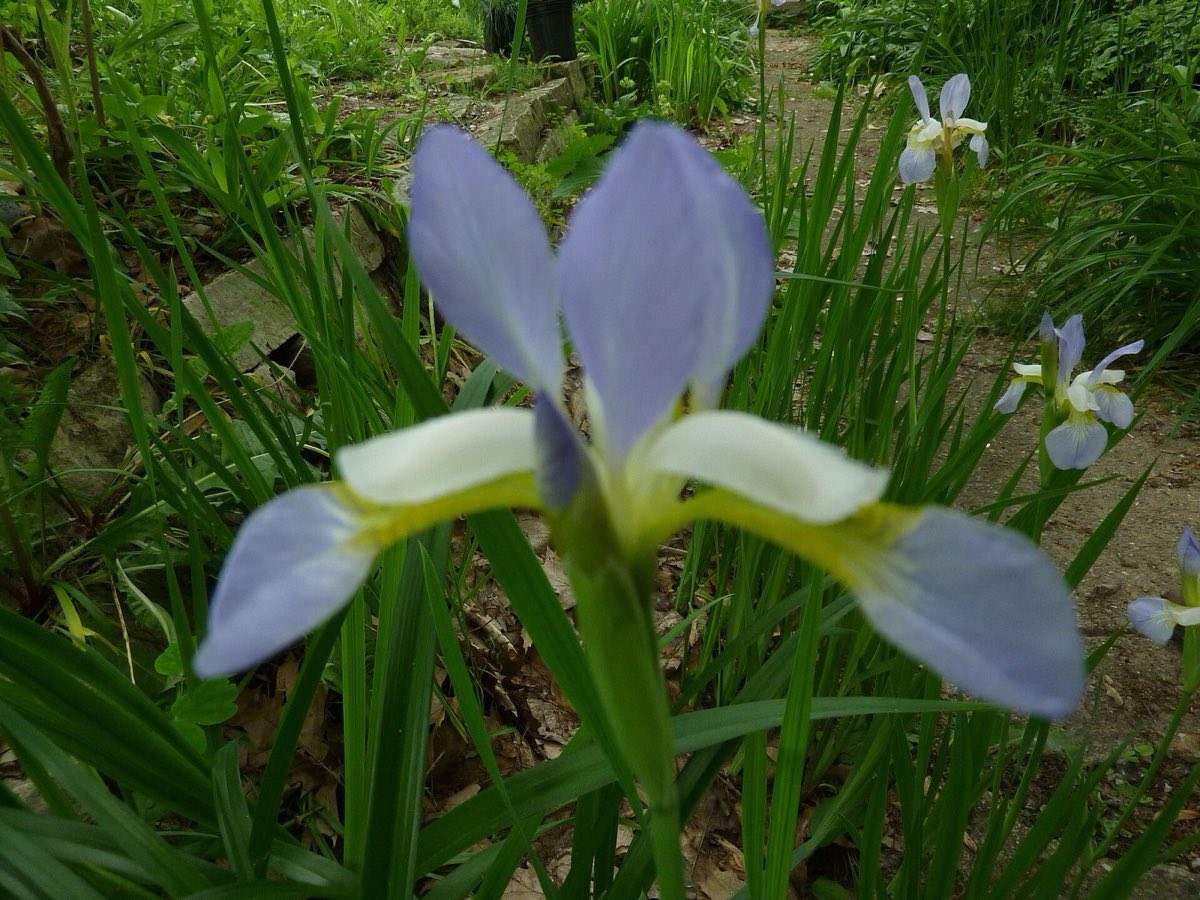
Bearded irises (Iris germanica and its hybrids) flower in early to mid June with large ruffled flowers in almost every colour. Each flower has three upright petals, called standards, and three hanging ones, the falls, with a fuzzy "beard" running down the middle. Several types have a sweet scent like grape sweets.
They grow from thick rhizomes that must sit on the surface of the soil, half exposed, so that the sun can bake them in summer. Buried rhizomes rot and flower poorly. Plant them in full sun, in well-drained soil, with the fan of leaves facing away from the sun so the rhizome is not shaded.
Every three or four years clumps become crowded and the old centre stops flowering. Divide them six weeks after flowering, in late July or early August: lift the clump, cut off healthy young rhizomes with a fan of leaves, discard the old woody centre, trim the leaves to 15 cm to reduce wind rock, and replant 30 cm apart. Siberian irises (Iris sibirica) are an easier alternative for heavier, moister soil, with narrower grassy leaves and smaller, elegant flowers in blue, violet and white.
Lupins and foxgloves
Lupin Lupinus
Flowers: June, with a second smaller flush if cut back. Height: 90 to 120 cm.
Dense spikes of pea flowers in blue, purple, pink, red, yellow, cream and two-tone mixes, with a peppery smell. Lupins like full sun and lighter, slightly acid soil; heavy clay shortens their life. Their worst enemies are slugs, which eat new shoots in spring, and the lupin aphid, a large grey aphid that can smother a whole spike in a few days in a warm spell. Check under the flower spikes regularly and squash or hose off any colonies early. Lupins are short-lived, usually declining after four or five years, so raise a few new plants from seed or basal cuttings every year or two.
Foxglove Digitalis purpurea
Flowers: June to July. Height: 100 to 150 cm.
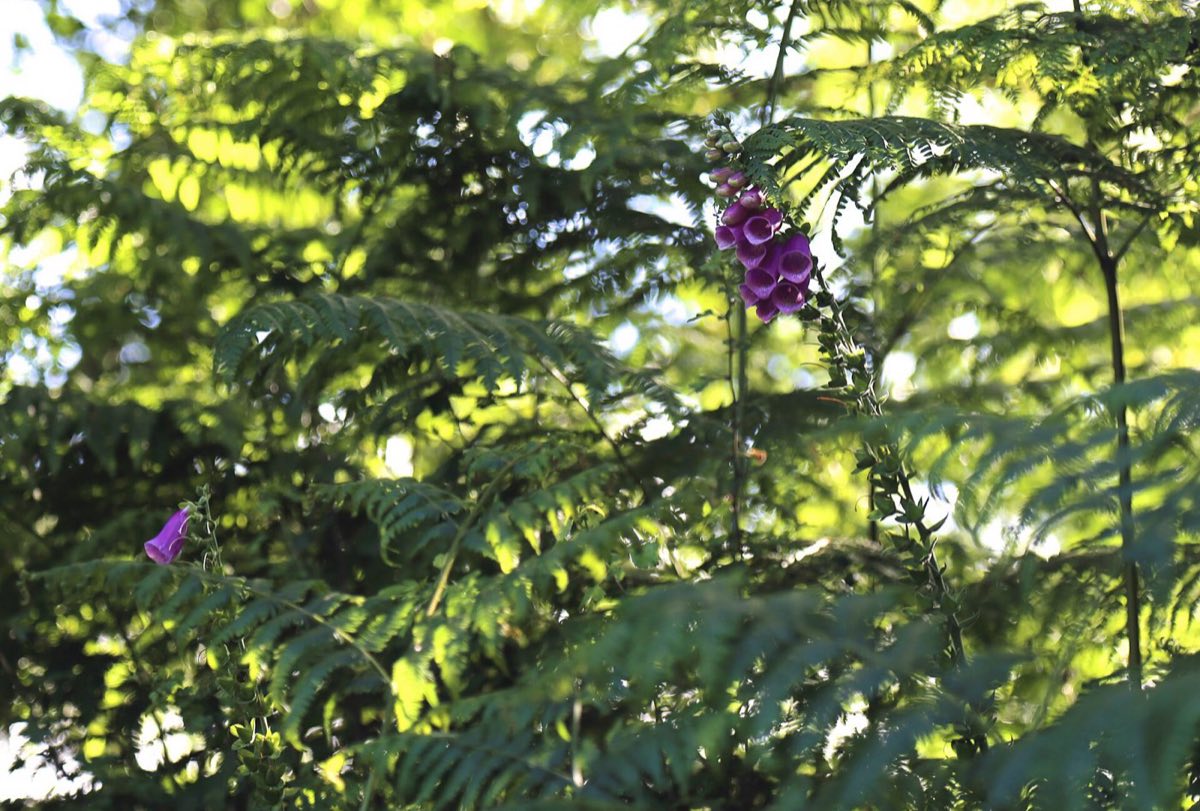
Tall one-sided spikes of hanging tubular bells in purple, pink or white, freckled inside. Bumblebees climb right inside the flowers. The common foxglove is biennial: it makes a rosette of leaves in the first year and flowers in the second, then sets thousands of fine seeds and dies. Leave a few spikes to ripen and shake them where you want next year's plants, and you will never need to sow again. Perennial species, such as the small yellow foxgloves, live for several years. All parts of foxgloves are highly poisonous.
Roses
Roses start in the middle of June with the old once-flowering types and carry on, in waves, until September with the repeat-flowering ones. In a garden with cold winters, choosing the right kind of rose matters far more than any amount of feeding or spraying.
Which roses for cold winters
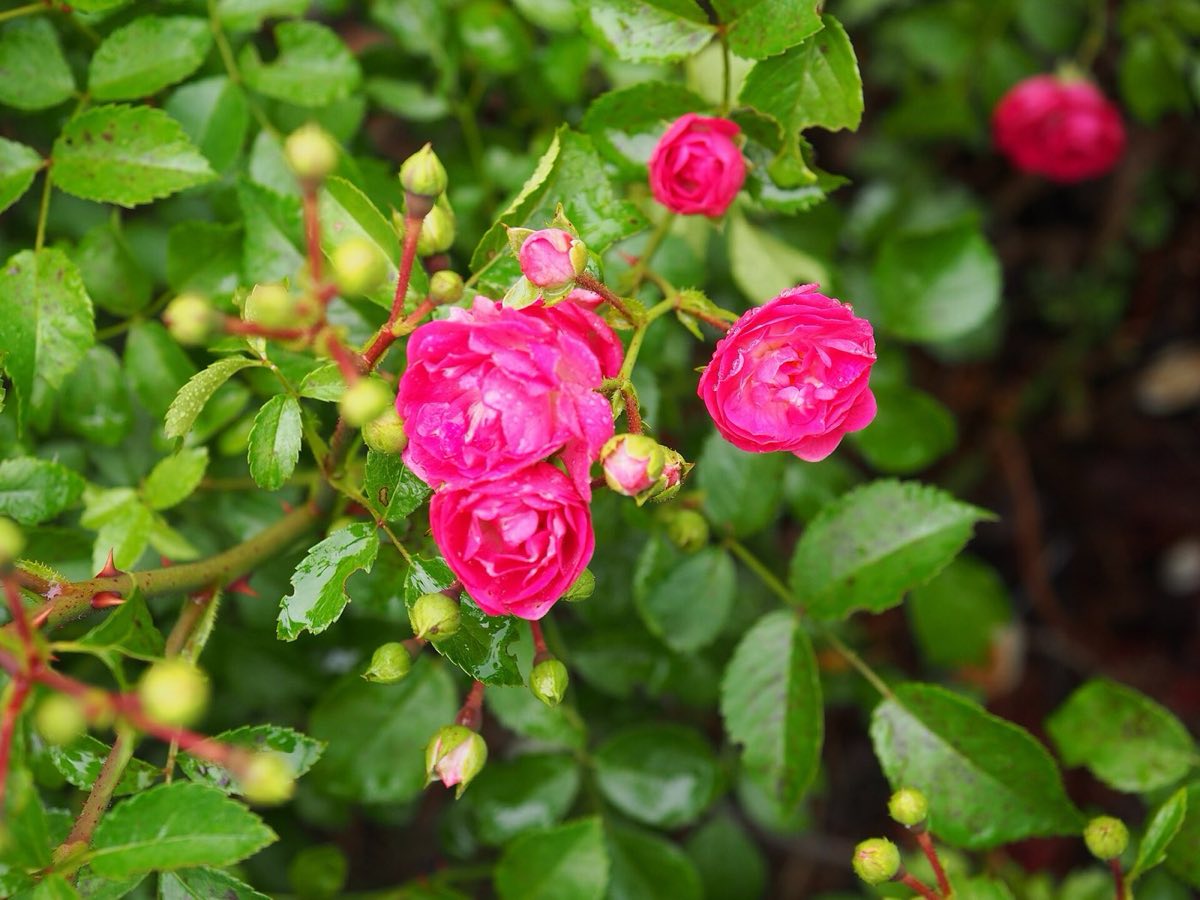
The toughest roses are the old shrub types: the rugosas with their wrinkled leaves and big tomato-like hips, the albas with soft grey-green leaves and pale pink scented flowers, the gallicas and the hardy wild species. Most are grown on their own roots, so if the top is killed in a severe winter they regrow from below. Modern shrub roses bred in cold regions also do well and many repeat-flower. Hybrid teas and grafted floribundas are more fragile here and usually need winter protection of the graft union.
Summer care
- Deadhead repeat-flowering roses by cutting the spent flower back to the first outward-facing leaf with five leaflets. This encourages a fresh shoot that will flower in four to six weeks.
- Do not deadhead once-flowering roses if they produce hips. Rugosas and many species have beautiful hips in autumn and the birds eat them in winter.
- Feed repeat-flowering roses once after the first flush with a balanced or rose fertiliser, and stop feeding by the end of July. Late feeding produces soft growth that will not ripen before frost.
- Watch for blackspot, purple-black blotches with fringed edges on the leaves, followed by yellowing and leaf drop. Pick off affected leaves, clear fallen ones, and keep the plant open for airflow. Choosing resistant types is the real answer.
- Aphids cluster on young shoots and buds in early summer. A firm squeeze or a jet of water usually deals with them, and ladybirds, hoverflies and small birds clear the rest within a couple of weeks if you leave them to it.
Climbing and rambling roses need tying in through summer. Train new long shoots as close to horizontal as possible along a fence or wires; horizontal stems produce flowering side shoots all along their length, while vertical ones flower only at the top. The full story on types, planting, pruning and winter protection is on the roses page.
High summer perennials
By July the early perennials have gone over and a new set takes their place: taller, often bolder, and many of them magnets for bees and butterflies. These are the plants that hold the border together through the hottest weeks.
Delphinium Delphinium elatum hybrids
Flowers: late June to July, again in September if cut back. Height: 150 to 200 cm.
Towering spikes of blue, violet, white or pink flowers, each with a contrasting central "bee". Nothing else in the border gives the same pure blue. Delphiniums love cool summers and rich, moist soil, which suits this climate well. They are slug magnets in spring, need individual staking with a tall cane by June, and should have their spikes cut back to the leaves once the flowers fade to get a second flowering. Thin each clump to five or seven shoots in spring for bigger spikes.
Garden phlox Phlox paniculata
Flowers: July to September. Height: 80 to 120 cm.
Large domed heads of flat five-petalled flowers in pink, white, lilac, purple, red and salmon, many with a darker eye. The scent is sweet and peppery, strongest in the evening. Phlox likes moist, fertile soil and sun or light shade. Its weaknesses are powdery mildew in dry summers, which shows as a white coating on the leaves, and eelworm, which distorts the shoots. Keep it watered, give it space, and thin weak stems in spring to improve airflow.
Coneflower Echinacea purpurea
Flowers: July to September. Height: 80 to 100 cm.
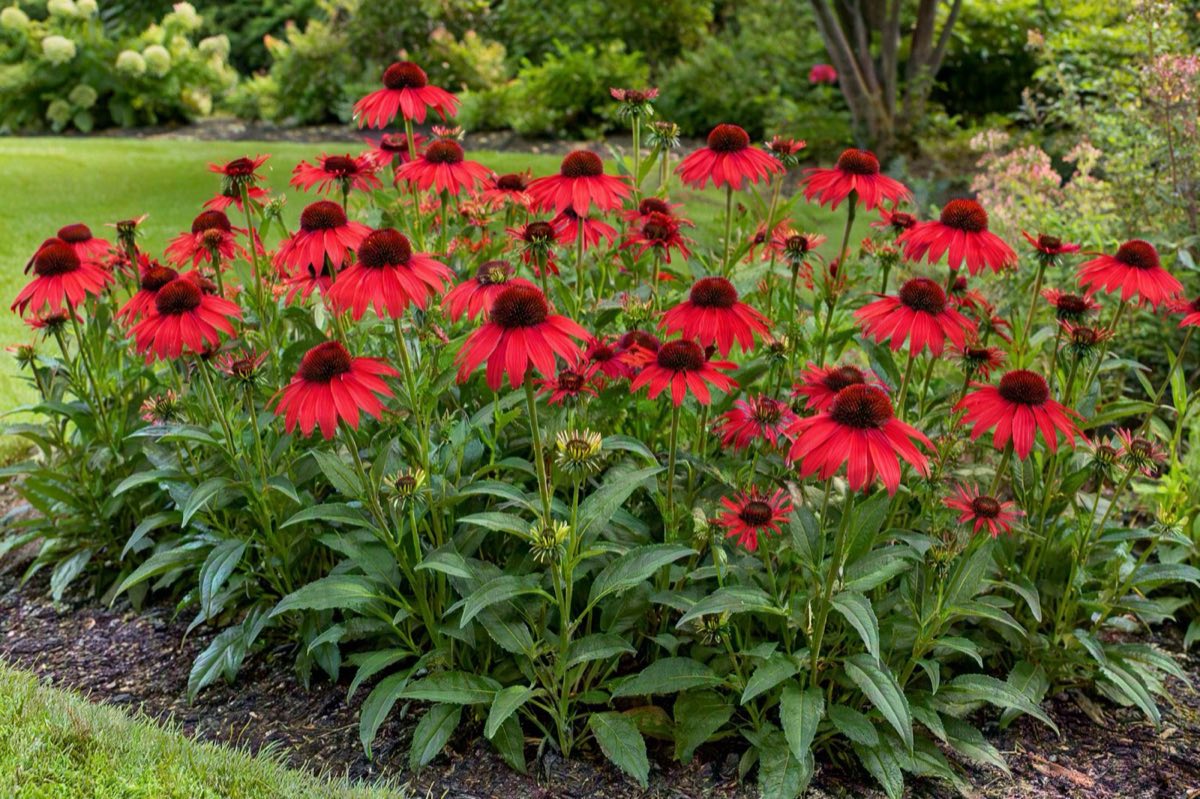
Pink-purple daisies with drooping petals and a prominent, spiky orange-brown cone. Butterflies and bees use them constantly, and the cones stand through winter for finches. Echinacea wants full sun and well-drained soil and dislikes winter wet. The plain species is the most reliable; many of the bright modern colours are short-lived. Do not cut them back in autumn.
Lavender Lavandula angustifolia
Flowers: July. Height: 40 to 70 cm.
Narrow grey-green leaves and spikes of purple, blue, pink or white flowers with the familiar clean scent. English lavender is the only kind reliably hardy here; the French and Spanish types with tufted "ears" are tender and should be treated as summer pot plants. It needs full sun and very well-drained soil and dies in winter wet faster than in cold.
Perennial sage Salvia nemorosa and relatives
Flowers: June to September with deadheading. Height: 40 to 60 cm.
Upright spikes of small violet-blue, purple, pink or white flowers, crowded with bees all day. Very hardy, drought-tolerant once established and easy. Shear the faded spikes back after the first flush and they flower again within a month. The tender salvias, with larger red, blue or black flowers, are grown here as annuals or overwintered as cuttings indoors.
Lavender in a cold garden
Lavender is often lost over winter here, and the cause is almost always wet soil rather than frost. Plants growing in heavy clay or in a spot where water collects rot at the roots during the thaw. Raise them on a slight mound, add plenty of grit to the planting hole, and avoid mulching around the base with anything moisture-retentive.
Trim lavender immediately after flowering, in late July or early August, removing the flower stalks and about 2 cm of leafy growth. This keeps plants compact. Never cut back into bare brown wood, which rarely sprouts again. A lavender bush that has become leggy and woody is best replaced.
Other excellent high summer perennials for cold gardens include the tall yellow and orange heleniums, achilleas with flat plates of flowers, the globe thistle with steel-blue spheres loved by bees, astilbes for moist shade, and day lilies, which are almost indestructible and flower for weeks even though each bloom lasts a single day.
Annuals
Annuals are the summer filler and the cutting garden staple. They grow, flower and set seed in one season, which means they put all their energy into flowering, and the more you cut, the more they produce. In a short season they are especially valuable: perennials have a few weeks of glory, while a well-grown cosmos flowers from July to the first frost.
| Annual | Sow | Plant out | Spacing | Notes |
|---|---|---|---|---|
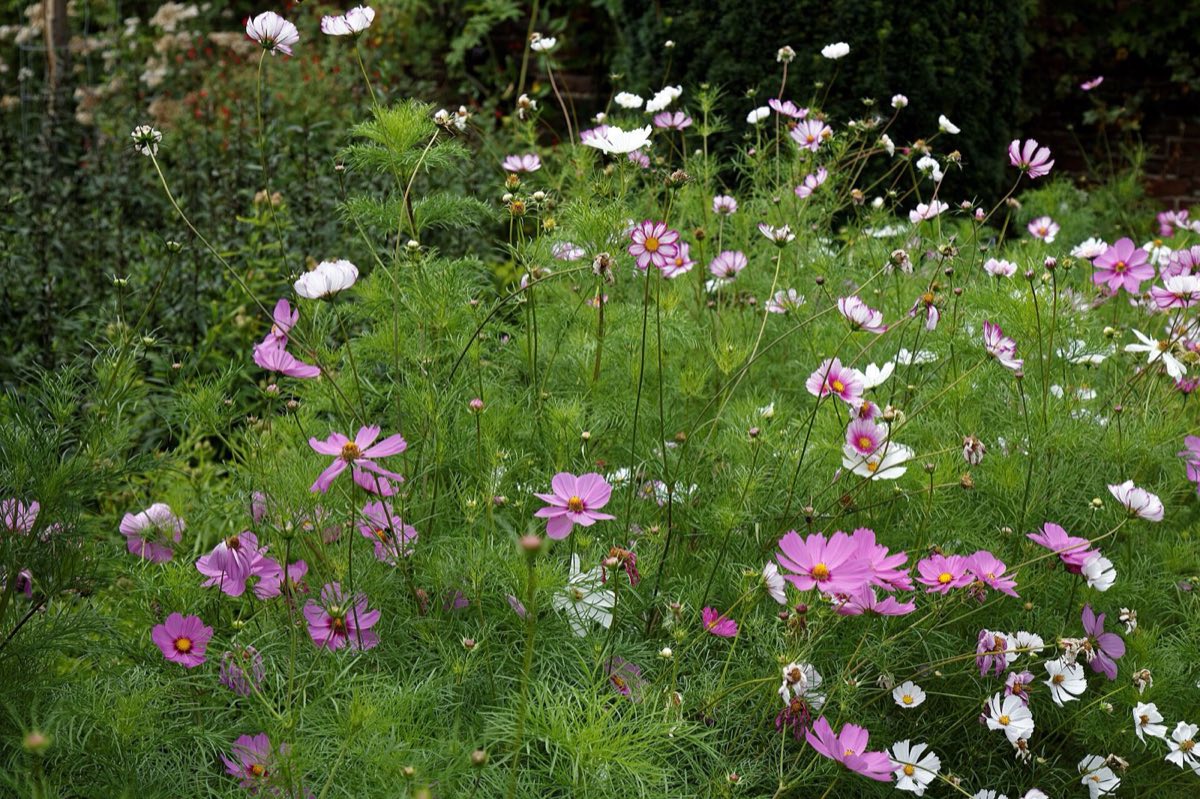
| Cosmos | Indoors mid April | Early June | 40 cm | Pinch out tip at 4 pairs of leaves; do not feed, rich soil gives leaves not flowers |
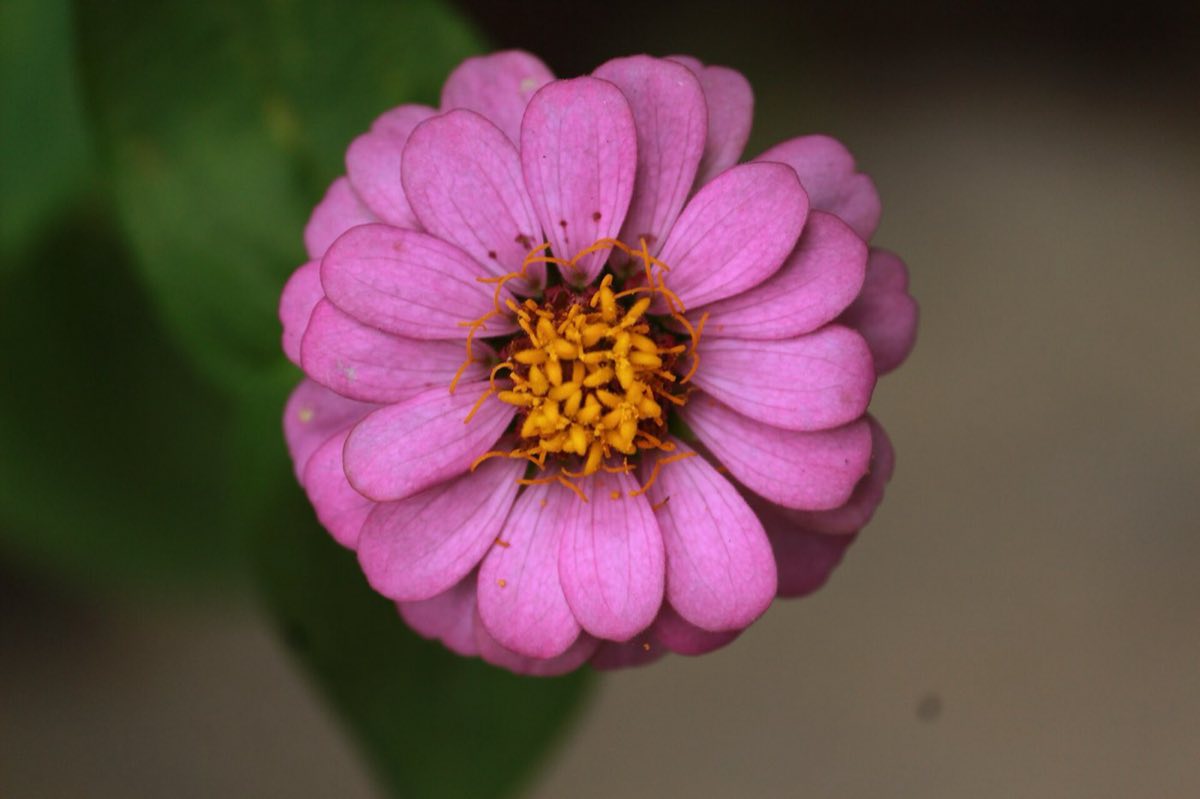
| Zinnia | Indoors late April, or direct in early June | Mid June | 25 to 30 cm | Hates cold and root disturbance; sow in individual pots |
| Sunflower | Indoors late April, or direct late May | Early June | 30 to 60 cm | Branching types give many smaller flowers for cutting; single-stem types one big head |
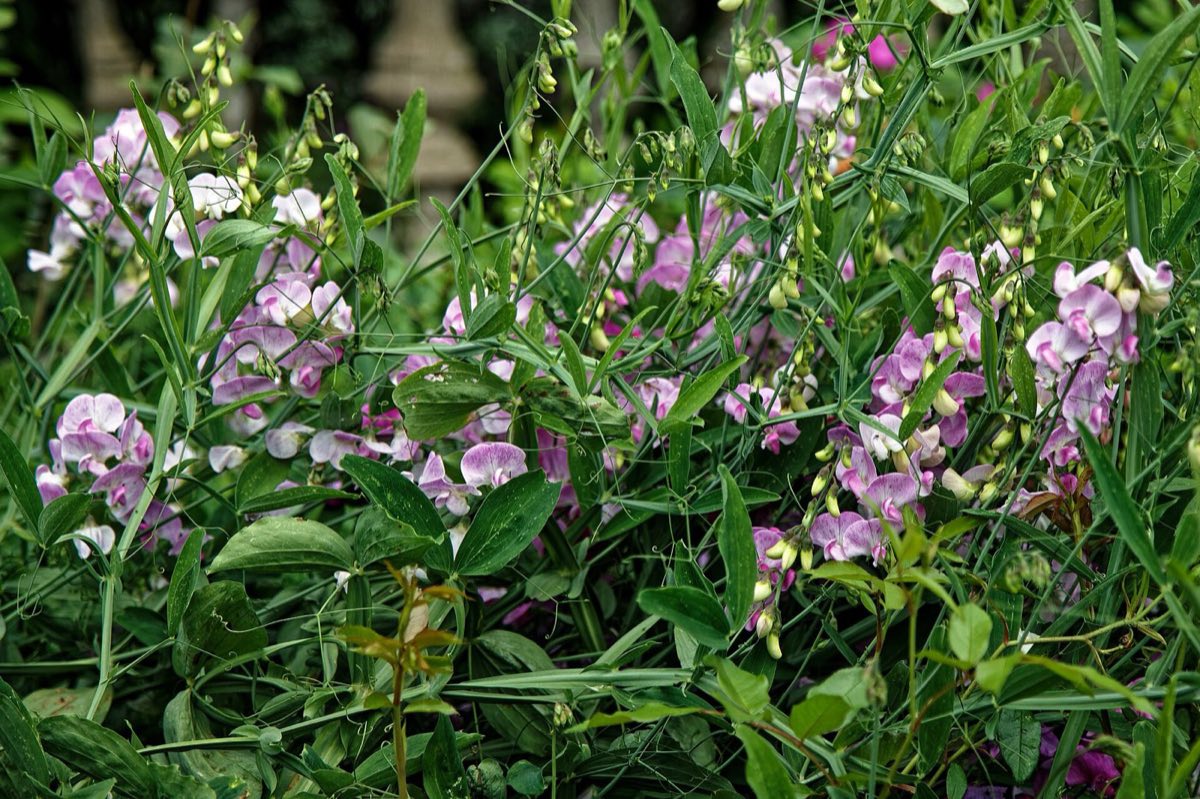
| Sweet pea | Indoors February to March | Late April to May | 15 to 20 cm | Hardy to light frost; pinch out tips; needs constant picking |
| Nasturtium | Direct late May | Not needed | 30 cm | Flowers best in poor soil; watch for blackfly and cabbage white caterpillars |
Sweet peas
Sweet peas are the annual most worth the effort. The old-fashioned types with smaller flowers have the strongest scent; the long-stemmed exhibition types have bigger, frilled flowers and less perfume. Sow them early in deep pots, since they make long roots, and plant them out in late April or early May against a support of netting, canes or a hazel teepee. They are hardy to a degree or two of frost once hardened off. Feed and water them generously, and pick every second or third day. The moment a plant is allowed to set pods, it stops flowering.
Cosmos, zinnias and sunflowers
These three are the heat-lovers. Cosmos has feathery leaves and simple open flowers in white, pink and crimson, and it gets taller and better as the summer goes on. Zinnias are stiff, bright and almost artificial-looking, in every colour except blue, and need a warm sheltered spot; in a cool summer they sulk. Sunflowers range from dwarf pot types to giants of 3 m, and the branching types in lemon, bronze and dark red are far more useful for cutting than a single huge head. All three are best not planted out until night temperatures stay above 10 °C.
Nasturtiums
Nasturtiums are the easiest annual of all. Push the large seeds into the soil where they are to flower, 2 cm deep, in late May. They trail or climb, flower in hot orange, scarlet, yellow and cream, and do better in poor dry soil than rich, which only produces a mass of leaves. The leaves and flowers are edible, with a peppery taste. They tend to attract blackfly, which can be useful: the aphids gather there rather than on more valued plants.
For a planned succession of annuals for picking, with timings for each, see the cut flower garden page.
Watering
Most summers here bring at least one dry spell of three weeks or more, often in July or August. Established perennials and shrubs with deep roots usually manage, though they flower less. Newly planted perennials, annuals, pots and shallow-rooted plants such as phlox and delphiniums need help.
How to water well
- Water the soil, not the leaves. Wet leaves in the evening encourage mildew and blackspot. Aim the can or hose at the base of the plant.
- Water deeply and less often. A good soak of 10 to 20 litres per square metre once or twice a week is far better than a nightly sprinkle. It reaches the roots and encourages them to grow down.
- Water in the morning or evening. Morning is best for disease; evening loses less to evaporation. Midday watering is not harmful to leaves, as is sometimes claimed, but a lot of it is wasted.
- Check the soil, not the surface. Push a finger or a trowel 10 cm down. If it is moist there, the plant does not need water, whatever the surface looks like.
- Prioritise. In a drought, water in this order: anything planted this year, pots and containers, sweet peas and annuals for cutting, then established plants showing stress.
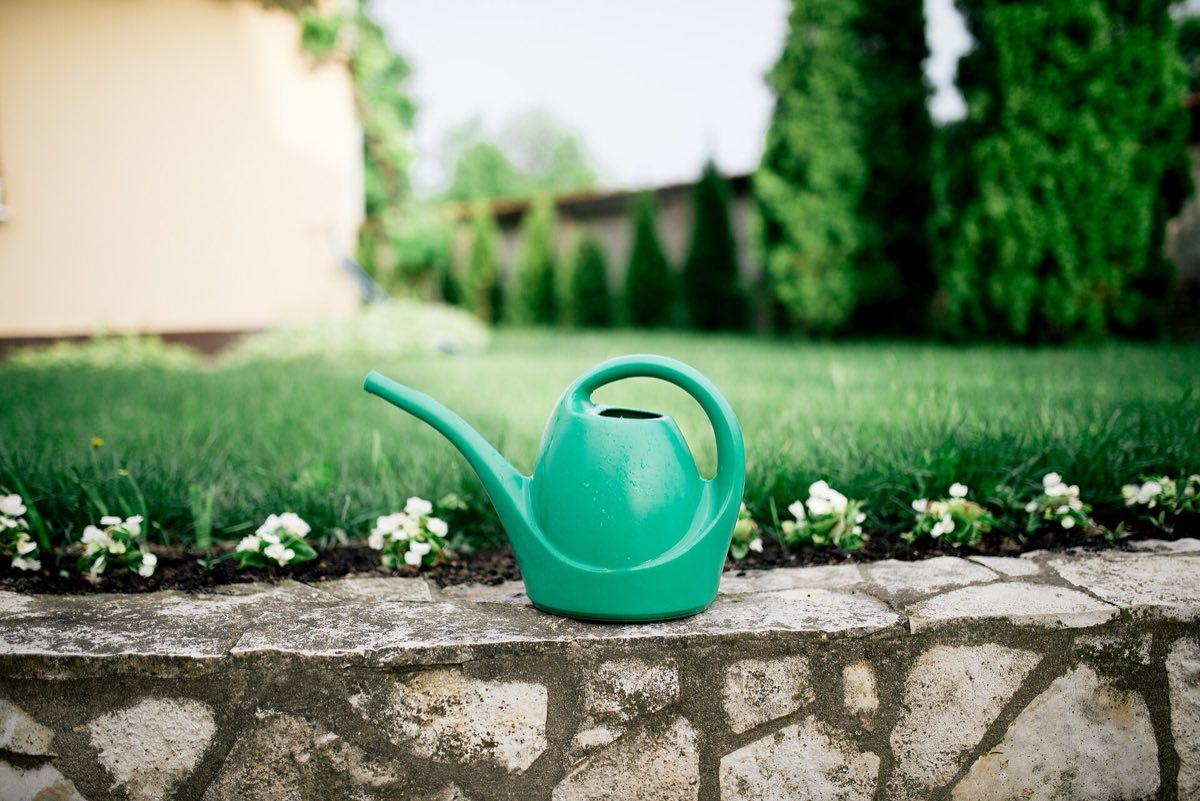
Pots and containers
Pots dry out fastest of all. In hot weather a pot in full sun may need watering every day, sometimes twice. Larger pots hold water much longer than small ones, so it is better to grow three plants together in one big pot than in three small ones. Standing pots in groups, out of the afternoon sun, also helps. A pot that has dried right out so the compost shrinks from the sides will shed water rather than absorb it; stand it in a bucket for an hour to rewet.
Collect rainwater from every roof you can. Rainwater is softer than most tap water, at the right temperature, and free.
Mulching
A mulch is a layer of material spread over the soil surface. It keeps moisture in, keeps roots cool, smothers weed seedlings and, if it is organic, slowly feeds the soil as worms pull it down. In a garden with dry summers it is the single most useful job you can do, and it saves hours of watering.
When to mulch
The key is to mulch when the soil is already moist. A mulch spread over dry soil keeps it dry. The best time here is late spring, after the soil has warmed a little but before it has had a chance to dry out, or after a good soaking rain in early summer. Never mulch frozen soil in spring, as it keeps the cold in and delays growth.
What to use
- Garden compost: the best all-round mulch for borders. Spread 5 to 7 cm deep.
- Leaf mould: ideal for woodland plants and anywhere under trees. Light, crumbly and weed-free.
- Well-rotted manure: rich, good for roses and hungry plants. Only use it fully rotted, never fresh, and keep it away from stems.
- Bark chips: long-lasting and good on paths and around shrubs, but can lock up nitrogen at the surface in beds of small plants.
- Grit or gravel: for Mediterranean plants such as lavender, which like a dry surface around their necks.
Keep any mulch a few centimetres clear of stems and crowns to avoid rot. The soil and compost page explains how to make compost and leaf mould at home.
Deadheading
Deadheading means removing faded flowers before they set seed. A plant's aim is to make seed; once it has, many annuals and some perennials stop flowering. Removing the spent flowers pushes them to try again. In high summer, a ten-minute walk round with secateurs every couple of days makes a real difference to how long the borders keep going.
| How to deadhead | Plants |
|---|---|
| Snip the single flower stem back to a bud or leaf | Cosmos, zinnias, dahlias, roses, scabious, sweet peas |
| Cut the whole flower spike back to the leaves | Delphiniums, lupins, salvias, foxgloves (unless saving seed) |
| Shear the whole plant back by a third to half | Hardy geraniums, catmint, alchemilla, perennial sage |
| Pinch off with fingers | Pansies, violas, small annuals |
| Leave alone | Echinacea, rudbeckia, sedum, alliums, grasses, anything you want seed or seed heads from |
There is no need to deadhead everything. Peonies, irises and bulbs only flower once a year whatever you do, so deadheading them is about neatness and stopping them wasting energy on seed. With once-flowering roses and plants with good seed heads, you are often better leaving them for the birds and for winter structure. Learn which plants repay the effort and concentrate on those.
Away four days in July and did not deadhead the sweet peas before leaving. Came back to a wall of green pods and hardly a flower. It took two weeks of hard picking to get them going again.
Summer pruning and cutting back
Summer is the right time to prune several groups of plants, and getting the timing right is mostly a matter of knowing whether a plant flowers on old or new wood.
Shrubs that flowered in late spring and early summer
Mock orange, weigela, deutzia, spiraea and similar shrubs flower on growth made last year. Prune them straight after flowering, usually in late June or July. Cut the stems that carried flowers back to strong new shoots lower down, and remove a few of the oldest stems at the base. This gives the plant the rest of the summer to grow the wood that will flower next year. Prune them in autumn or spring and you cut off the flowers.
The Chelsea chop
Late in May or in early June, many tall late-flowering perennials can be cut back by a third to a half. This "chop" makes them shorter, sturdier and bushier, and delays flowering by two or three weeks. It works well on phlox, sedums, heleniums, asters and rudbeckias. You can chop only the front half of a clump, so it flowers in two layers and for longer. Do not try it on plants that flower on a single spike, such as delphiniums.
Cutting back early perennials
Once the June flowers fade, plants such as hardy geraniums, oriental poppies, catmint and lady's mantle can look tired. Cut them back hard, almost to the ground, water well, and they will produce fresh leaves within a couple of weeks and often a second set of flowers. Oriental poppies leave a gap after cutting, so plant something nearby that spreads into it, such as a late aster or a group of cosmos.
Rambling roses and climbers
Ramblers flower once, on wood made the previous year. After flowering, cut out a few of the oldest stems at the base and tie in the new long shoots to replace them. Wisteria benefits from a summer trim too: in late July, shorten the long whippy new shoots to five or six leaves from the main framework.
Going away in summer
Leaving a garden for a week or two in July is the gardener's annual worry. With a little preparation, most of it will be fine. The goal is not to come back to a perfect garden, but to one that has not lost anything important.
A week before
- Mulch any bare soil while it is still moist.
- Tie in climbers and check all stakes and supports, so a summer storm does not flatten everything.
- Cut back or shear any plants that are about to go over, so they regrow while you are away.
- Pick all open sweet peas and flowers on cutting annuals, and remove any developing pods or seed heads.
The day before
- Give everything a long, deep soak. Water the borders until the soil is wet 15 cm down.
- Group pots together in the shade, ideally on the north side of the house, and stand them in trays or old dishes filled with water. Bigger pots can sit on damp sand or gravel.
- Move hanging baskets down to the ground in the shade.
- Mow the lawn but leave it slightly longer than usual; it will survive dry weather better.
While you are away
If someone can come round, ask them to water only the pots and anything planted this year, not the whole garden. A short written list of what needs water and what does not is better than a long conversation. For pots, a simple drip system from a water butt or a few upturned bottles pushed into the compost will tide them over four or five days.
When you come back
Expect deadheading, weeding and a round of tying in. Annuals that have set seed can usually be brought back into flower with a hard picking and a good watering. Perennials that have gone over will regrow if cut back. Within a week, most of the garden will look as if you had never left.
By the end of August the light is already lower and the first asters are opening. The garden slides into its long late season, covered on the autumn page. For the month-by-month version of summer jobs, the calendar has a checklist.