 Mayday Flowers
Pests and Diseases
Every garden has pests and diseases, and every garden full of flowers is also full of the creatures that eat them. This page takes a calm approach: grow healthy plants, invite predators in, use barriers and your own hands, and accept a little damage. I have not used a pesticide in years, and the garden is livelier for it.
A calm approach
The first instinct on finding a leaf full of holes is to reach for a spray. Resist it. Most insecticides kill predators as well as pests, and predators recover more slowly, because they need a population of prey to build up again. Spray aphids in May and you may have twice as many in June, with no ladybirds to eat them.
A non-chemical garden works on a different principle: balance. Pests appear first in spring, then predators follow a week or two behind and bring numbers down. If you can tolerate that short gap, the garden largely looks after itself. Your job is to keep plants strong enough to cope, to protect the vulnerable ones, and to step in by hand when one problem gets out of control.
It also helps to remember that most damage is cosmetic. A rose with a few spotted leaves still flowers. A hosta with holes still makes a fine clump. A plant is only in real trouble when its growth stops, it wilts despite water, or it dies back year after year.
The summer I stopped spraying, the aphids on my roses were bad for three weeks in May. Then the blue tits found them, and the ladybird larvae hatched, and by July I could not find one. That has been the pattern every year since.
Healthy plants first
Pests and diseases are opportunists. They attack plants that are already stressed: too dry, too wet, too hungry, overfed, crowded or growing in the wrong place. A healthy plant has thicker cell walls, tougher leaves and the energy to grow away from damage.
- Right plant, right place. A sun-lover in shade grows thin and weak; a woodland plant in full sun scorches. Match plants to your light and soil. This one step prevents more problems than any spray.
- Good soil. Soil rich in organic matter holds steady moisture and feeds plants slowly. See soil and compost.
- Do not overfeed. Lots of nitrogen gives soft, sappy growth that aphids love and fungi easily enter. Feed hungry plants in moderation, and favour potash for flowering.
- Water well, at the roots. Plants that dry out at the roots are prone to powdery mildew. Water deeply once or twice a week rather than a sprinkle every evening, and water the soil, not the leaves.
- Give space. Air movement between plants dries leaves after rain and slows fungal diseases. Thin seedlings and divide overcrowded perennials.
- Choose resistant varieties. Many roses, phlox, asters and sweet peas have been selected for resistance to mildew, black spot or rust. A resistant variety is worth more than any treatment.
- Grow a mix. A large block of one plant is a feast for its pests. Mixed planting makes it harder for them to find their host and spread.
Encouraging predators
Predators are the backbone of natural pest control. They work day and night without being asked, and almost all of them need the same few things: shelter, water, somewhere to overwinter, and a garden free of poisons.
Birds
Blue tits and great tits feed their chicks on enormous numbers of aphids and caterpillars in spring. Song thrushes crack snail shells on stones. Blackbirds and robins pick slugs, leatherjackets and grubs from turned soil. Nest boxes, a dense shrub or two, fresh water and leaving seed heads standing in winter all bring birds in.
Hedgehogs
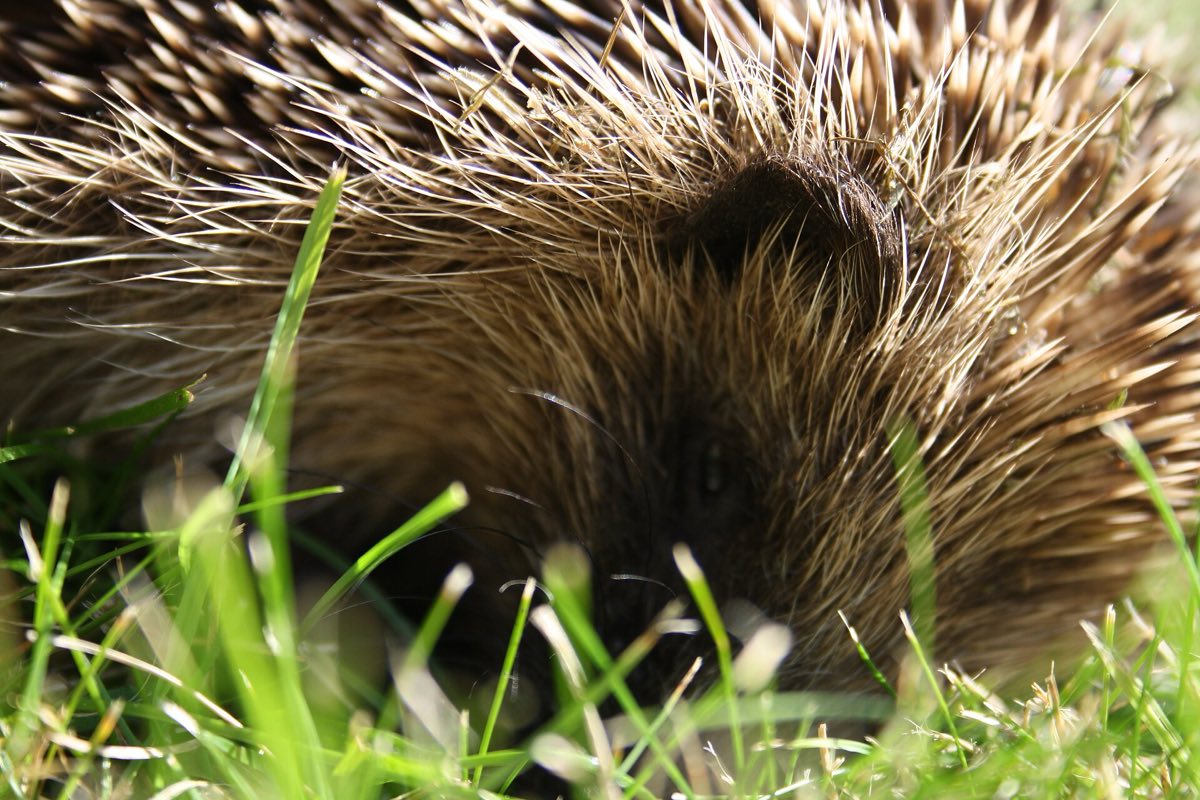
Hedgehogs travel more than a kilometre a night, eating beetles, caterpillars, worms and some slugs. They need gardens linked by a gap of about 13 cm under fences, a pile of leaves or logs to hibernate in, and freedom from slug pellets. Check compost heaps and bonfire piles before forking or lighting them.
Ladybirds
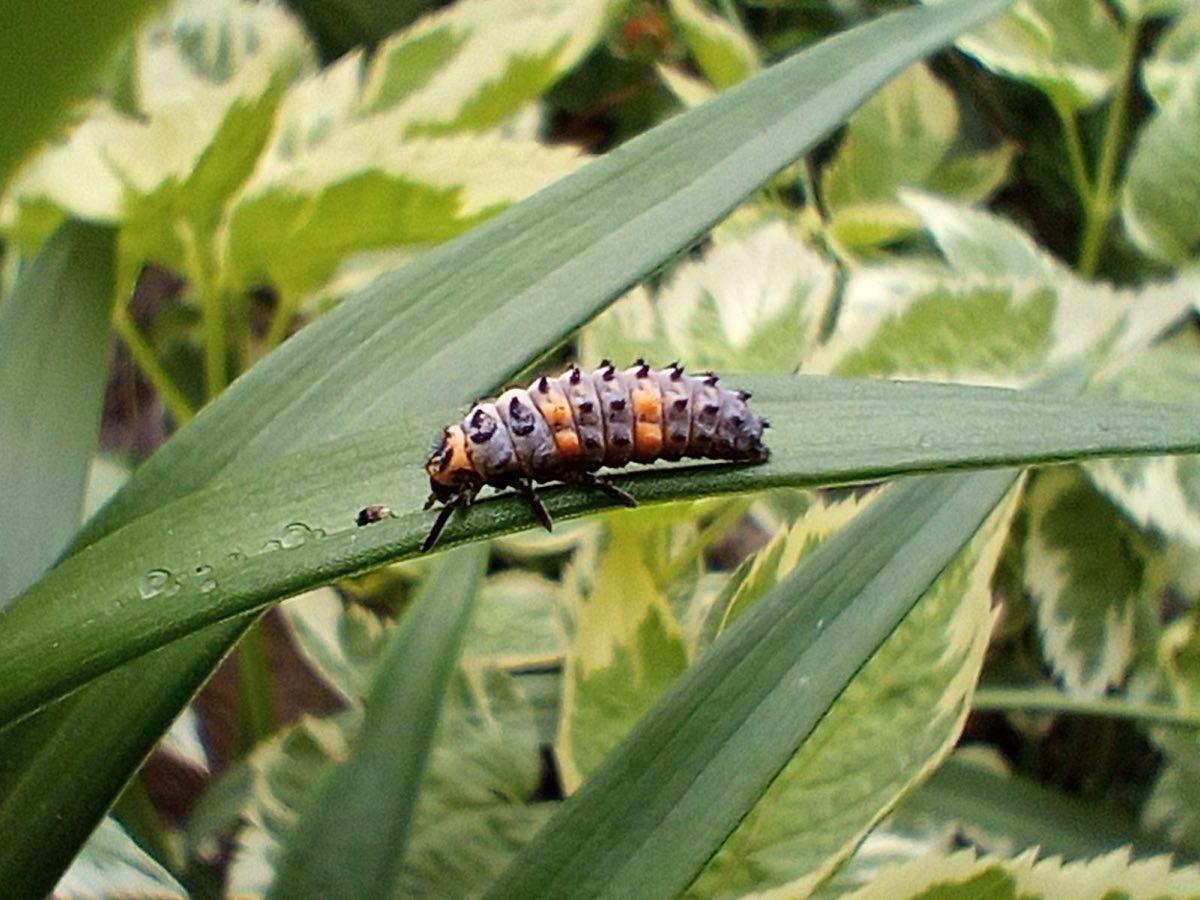
Both adults and larvae eat aphids, and a single larva can eat hundreds before it pupates. The larvae look nothing like the adults: they are dark grey, spiny and slightly alarming, with orange spots. Learn to recognise them so you do not squash them by mistake. Adults overwinter in hollow stems, leaf litter and crevices in bark, so leave some untidy corners.
Lacewings
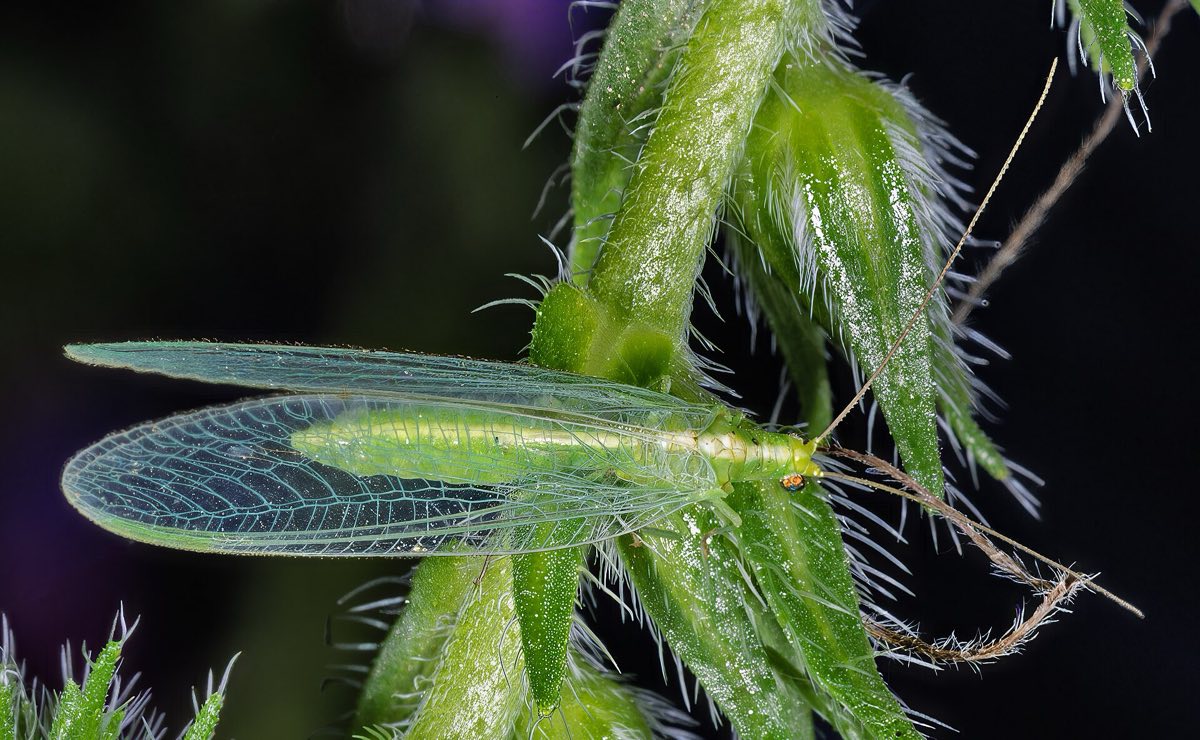
Delicate green insects with clear, veined wings and golden eyes. Their larvae are voracious predators of aphids, small caterpillars and mites. Adults feed on nectar and pollen, so open flowers help them.
Hoverflies
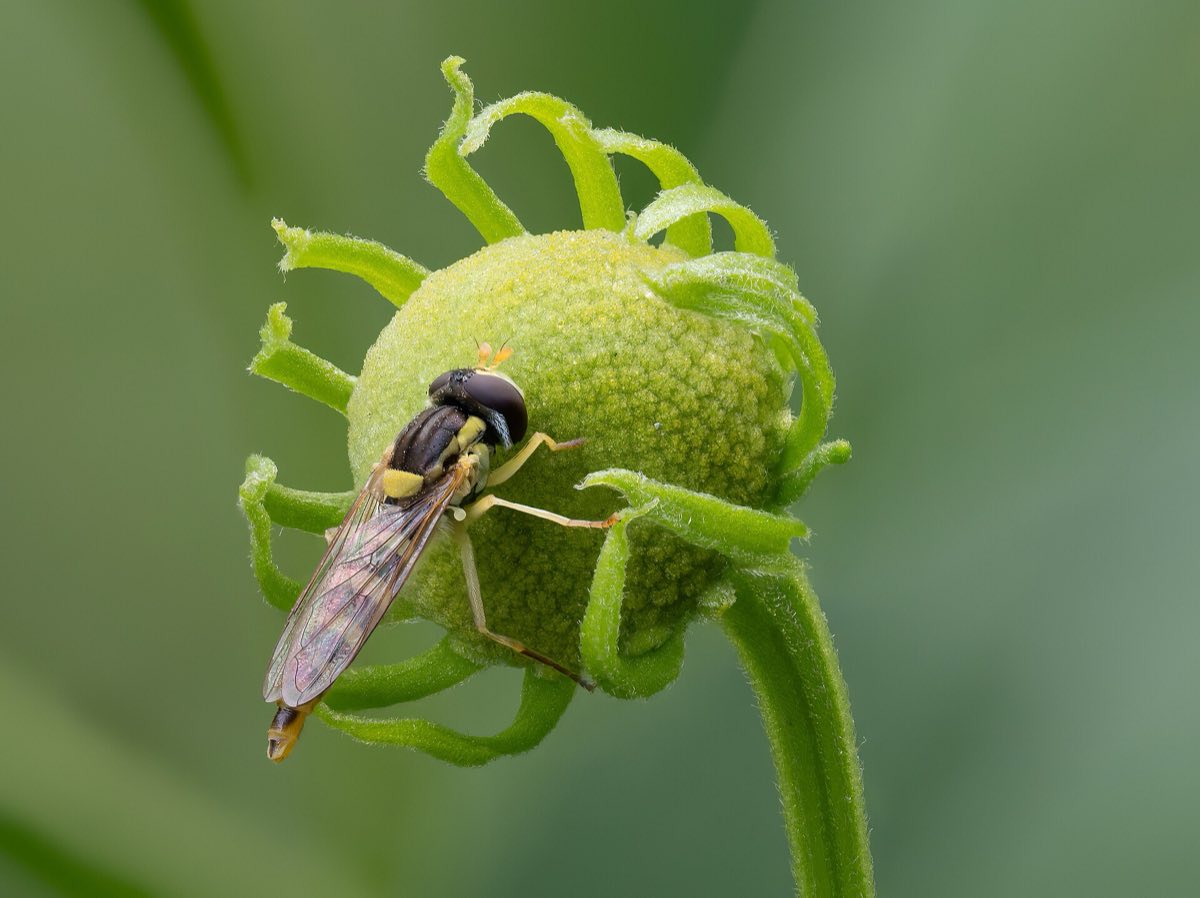
Often mistaken for small wasps, but they hover in mid-air and cannot sting. The adults pollinate flowers; the larvae, small and slug-like, are among the most effective aphid eaters in the garden. Hoverflies love flat, open flowers that make nectar easy to reach: fennel, ammi, achillea, poached egg plant, calendula and single dahlias.
Ground beetles
Fast, shiny black or bronze beetles that run across the soil at night eating slug eggs, small slugs, vine weevil larvae and other soil pests. They shelter under stones, logs and mulch by day. A permanent mulch and a log pile in a quiet corner keep them close.
Frogs, toads, newts and slow worms eat slugs too. Even a small pond, or a sunken washing-up bowl with a ramp of stones, will attract frogs within a season or two.
Common pests
Aphids
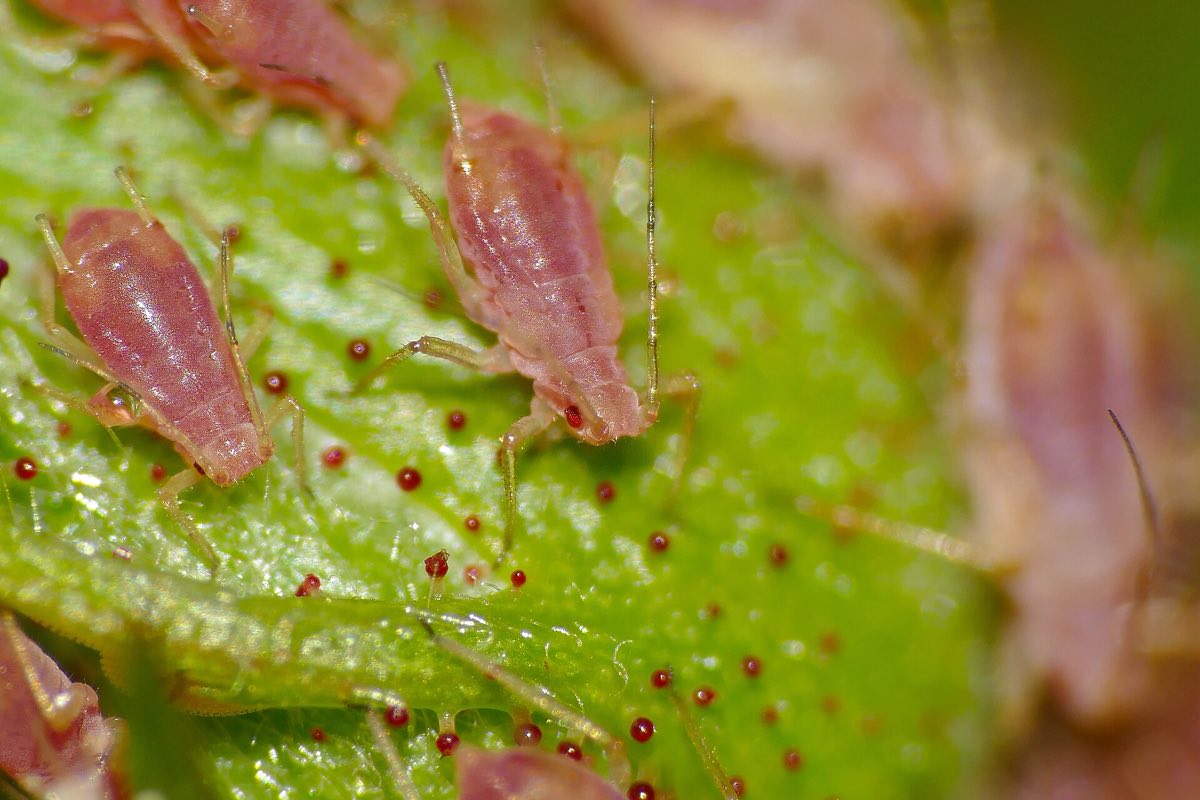
Signs: clusters of small green, black, grey or pink insects on shoot tips, buds and the undersides of leaves, from April onward. Leaves curl and distort; sticky honeydew coats the leaves below and often grows a black sooty mould. Ants running up and down a stem are a reliable clue, because they farm aphids for honeydew.
Control: wait for the predators where you can. Squash small colonies between finger and thumb, or blast them off with a jet of water from a hose. Pinch out heavily infested shoot tips of broad beans and sweet peas. Avoid excessive nitrogen feeding.
Slugs and snails
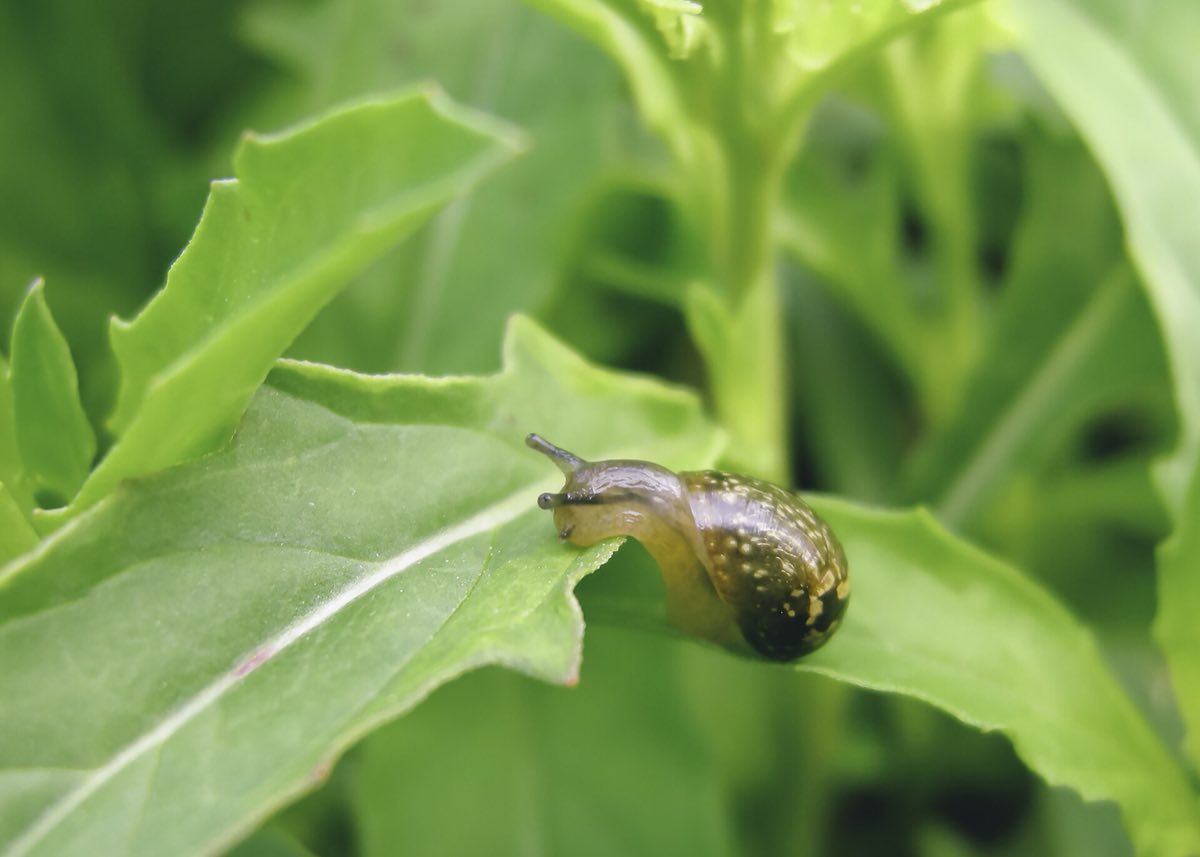
Signs: ragged holes in leaves and petals, seedlings vanished overnight, silvery slime trails. Hostas, delphiniums, lupins, dahlias, sweet peas, lettuce and nearly all young seedlings are favourites. Damage is worst in damp springs and mild, wet autumns.
Control: no single method works, so combine several.
- Go out after dark with a torch on a damp evening, especially in spring, and collect them. It is remarkably effective in a small garden.
- Raise vulnerable plants to a decent size in pots before planting out. A sturdy plant survives grazing that would destroy a seedling.
- Protect young plants with barriers (see below) and keep the surrounding area clear of debris where slugs hide.
- Water in the morning rather than the evening, so the soil surface is drier at night.
- Use biological control: a microscopic nematode that infects slugs, watered onto moist soil when it is above 5 °C, protects an area for about six weeks. It is less effective against snails.
- Encourage frogs, toads, thrushes, hedgehogs, ground beetles and slow worms.
Vine weevil
Signs: adults are dull black beetles about 9 mm long, active at night from spring to autumn, leaving neat semicircular notches along leaf edges of rhododendrons, euonymus, hydrangeas and many others. The real damage is done by the larvae: creamy white, C-shaped grubs with brown heads, which eat roots, especially in pots, from late summer to spring. The first sign is often a plant that wilts suddenly and lifts out of its pot with no roots left. Heucheras, fuchsias, primulas, cyclamen and strawberries in containers are typical victims.
Control: tip out the root ball of any plant that wilts without reason and pick out grubs. Search for adults at night by torchlight, or shake shrubs over a sheet. A nematode control watered into pots in late summer, while compost is above about 5 °C, kills the larvae. Check the root balls of new plants before you buy or plant them.
Lily beetle
Signs: bright scarlet beetles about 8 mm long on lilies and fritillaries from late March onwards. Their larvae are worse: soft, orange-red grubs that cover themselves in their own black excrement and strip leaves, buds and even flower petals. Small orange-red eggs are laid in rows on the undersides of leaves.
Control: hand-pick every few days from emergence onwards. The adults drop to the ground and land on their black underside when disturbed, so hold one hand or a pale cloth under the leaf before you reach for them. Wipe off eggs and larvae with a damp cloth. Consistent picking in April and May keeps numbers very low.
Earwigs
Signs: ragged holes in petals and young leaves, especially in dahlias, chrysanthemums and clematis, appearing overnight. Earwigs are also useful, eating aphids and insect eggs, so tolerate them where damage is light.
Control: on dahlias, fill small flower pots with straw or crumpled paper and set them upside down on canes among the plants. Earwigs shelter in them by day. Empty them every morning, well away from the flowers.
Thrips
Signs: tiny, slender insects, 1 to 2 mm, black or pale yellow. They cause a silvery, mottled discolouration on leaves and petals, often with small black specks of excrement. Flowers of gladioli, sweet peas and roses may be streaked or fail to open properly. Worst in hot, dry summers and under glass.
Control: water plants well and keep humidity up in dry weather. In a greenhouse, blue sticky traps catch adults, and predatory mites are available as a biological control. Cut off and dispose of badly marked flowers.
Red spider mite
Signs: fine, pale speckling on the upper side of leaves, which then turn yellow, bronze and dry. Look underneath with a hand lens: tiny mites, usually yellow-green with two dark spots, and in bad cases fine silk webbing over shoot tips. Mostly a greenhouse and conservatory pest, but common outdoors on plants against hot walls in dry summers.
Control: the mites hate humidity. Mist plants and damp down greenhouse floors daily in hot weather. A predatory mite introduced early in the season, once temperatures are warm enough, is very effective under glass. Remove and dispose of badly affected leaves.
Caterpillars
Signs: large holes in leaves, sometimes a whole plant skeletonised, and dark droppings below. Cabbage white butterflies lay on nasturtiums as well as cabbages. Moth caterpillars feed on roses, fuchsias and many others, often at night.
Control: hand-pick and look for clusters of yellow eggs under leaves. Fine netting keeps butterflies off brassicas. Remember that many caterpillars become moths and butterflies you want in the garden, and they are vital food for nesting birds. A few holes are a fair price.
Common diseases
Most flower diseases are caused by fungi, which spread by spores on wind and water splash. Bacteria and viruses cause a few more. Diseases are harder to deal with than pests because, by the time you see the symptoms, the infection is established. Prevention matters even more.
Powdery mildew
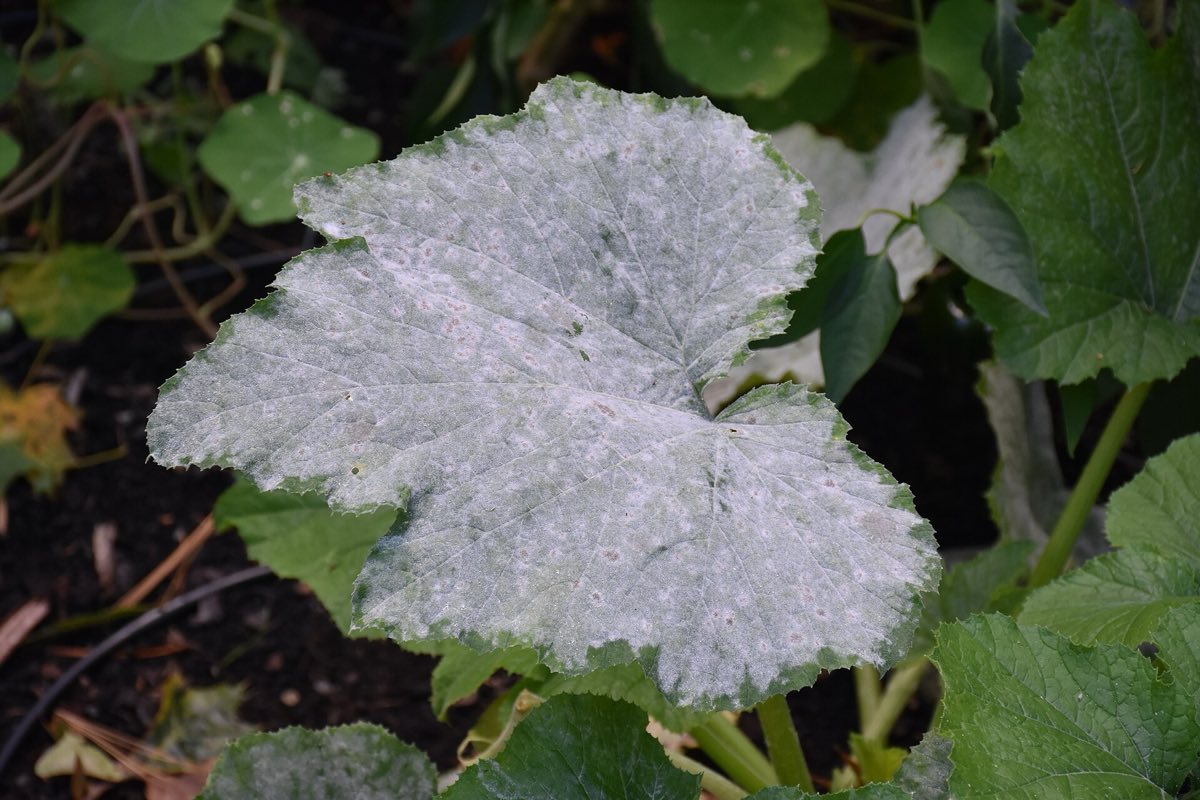
A white or grey powdery coating on leaves, stems and buds, as if dusted with flour. Leaves may curl and yellow. It is common from midsummer on asters, phlox, monarda, sweet peas, roses, delphiniums and courgettes. Unusually for a fungus, it thrives when roots are dry but the air is humid, so late summer with warm days and cool, dewy nights is its season.
Keep plants well watered at the roots and mulched, give them space, and remove the worst-affected leaves. Choose resistant varieties of asters and phlox. Late in the season on cosmos or courgettes it does little harm and can be ignored.
Black spot
Purple-black spots with feathery edges on rose leaves, usually from June. Leaves turn yellow around the spots and fall early, and a badly affected bush can be almost bare by August. It spreads by rain splash and overwinters on fallen leaves and on stems. Grow resistant roses, rake up and dispose of fallen leaves in autumn, prune out stems with dark lesions in spring, and mulch in early spring to cover spores on the soil. Remove spotted leaves as they appear. A rose that gets black spot badly every year in the same spot may be in the wrong place. More in roses.
Grey mould (botrytis)
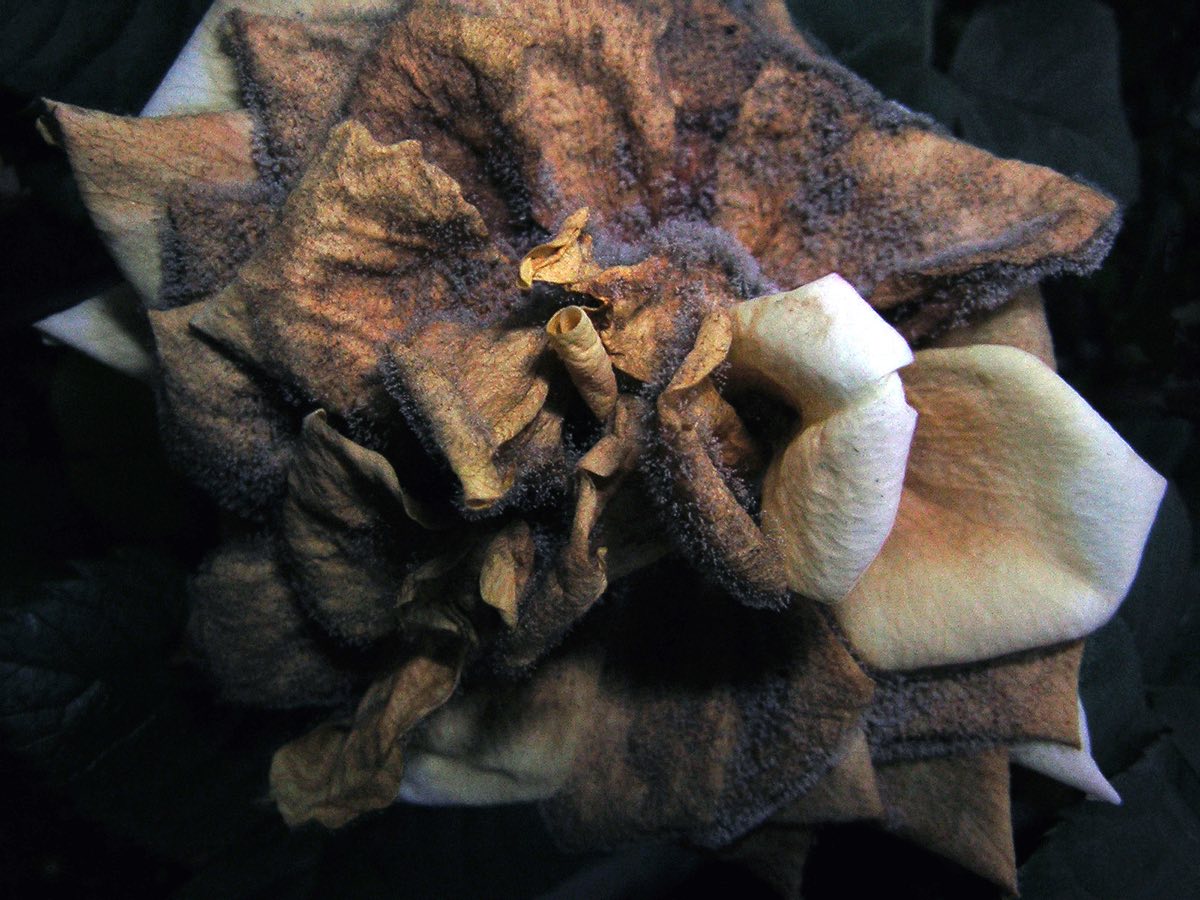
A fuzzy grey-brown mould on dead or damaged tissue, buds, flowers and soft stems, spreading in puffs of spores when touched. It loves cool, damp, still air: crowded seedlings, greenhouses in autumn, peony buds in a wet spring, strawberries, and dahlia flowers in October. On peonies a related disease makes young shoots collapse at the base and buds turn brown and fail to open.
Ventilate greenhouses, space plants, avoid wetting foliage and remove dead leaves and faded flowers promptly, because the fungus enters through dead tissue. Cut out affected parts back to healthy growth. On peonies, cut all foliage to the ground in autumn and dispose of it, rather than leaving it to rot on the crowns. See peonies.
Rust
Small orange, brown or yellow pustules on the undersides of leaves, with pale or yellow spots on the upper surface. Hollyhocks are almost always affected; roses, fuchsias, pelargoniums, snapdragons, mint and many grasses suffer too. Severe rust weakens a plant and makes leaves drop early. Pick off affected leaves at the first signs and dispose of them, avoid wetting the foliage, and improve air movement. Hollyhocks grown as biennials, replaced every two years, stay cleaner than old plants.
Leaf spot
A catch-all name for many fungi and bacteria that cause brown, black or purple spots on leaves, often with a yellow halo or a pale centre. Hellebores, irises, peonies and many shrubs get them. Most leaf spots are cosmetic. On hellebores, cutting off the old leaves in December or January, before the flowers appear, removes the source of infection and shows off the flowers. Generally, remove affected leaves, clear debris in autumn and avoid overhead watering.
Root rot
A plant wilts and yellows even though the soil is wet. Lift it and the roots are brown, soft and smell unpleasant instead of being firm and white. Several soil-borne organisms cause this, and they almost always follow waterlogging. Plants in pots without drainage holes and plants on heavy clay in a wet winter are most at risk. There is no cure once the roots have rotted. Prevention is good drainage, grit in planting holes for vulnerable plants, and not overwatering pots.
Honey fungus is a more serious root disease of trees and shrubs. Signs include a white, mushroom-scented fungal sheet under the bark at the base of a dying shrub, black bootlace-like strands in the soil, and clusters of honey-coloured toadstools in autumn. Affected woody plants should be removed with as much root as possible.
Viruses
Viruses cause mottled, streaked or mosaic patterns of yellow and green on leaves, distorted and stunted growth, and streaked or broken colour in flowers. Tulips with feathered, flamed petals are the famous historic example. Viruses are spread by aphids and other sap-sucking insects, by hands and tools, and by propagating from infected plants. There is no cure. Remove and dispose of affected plants in household waste, and never take cuttings or divisions from them.
When it is not a pest at all
Many problems that look like disease are caused by weather, soil or watering. Before blaming an organism, think about what has happened in the last week or two.
- Frost damage: blackened, limp shoot tips and leaves the morning after a cold night, most often on tender plants put out too early in May, and on new shoots of hydrangeas and roses. Cut back to healthy growth once the danger has passed.
- Sun scorch: pale, papery or brown patches on leaves facing the sun, often after a sudden hot spell or on plants newly moved out from indoors.
- Drought: wilting in the heat of the day, browning leaf edges, early leaf drop, buds failing. Check the soil 10 cm down before blaming anything else.
- Nutrient deficiency: yellowing between the veins of older leaves often points to magnesium shortage, especially on sandy soils and in tomatoes and roses. Yellow new leaves on rhododendrons and camellias usually mean the soil is too alkaline for them to take up iron.
- Weedkiller damage: twisted, cupped, fern-like new growth, especially on tomatoes, sweet peas and roses, sometimes after using manure or compost from an unknown source or spray drift from nearby.
Symptoms table
A quick guide to what you see, what it probably is and what to do. Always look closely, with a hand lens if possible, and check both sides of the leaf, the stem base and, if a plant is wilting, the roots.
| What you see | Likely cause | What to check | What to do |
|---|---|---|---|
| Curled shoot tips, sticky leaves | Aphids | Insects under leaves, ants | Squash, hose off, wait for predators |
| Ragged holes, slime trails | Slugs or snails | Torch patrol after dark | Hand-pick, barriers, nematodes |
| Notches along leaf edges | Adult vine weevil | Grubs in nearby pots | Hunt at night, nematodes for larvae |
| Sudden wilt in a pot, no roots | Vine weevil larvae | C-shaped white grubs | Remove grubs, repot, nematodes |
| Leaves stripped on lilies | Lily beetle larvae | Red beetles, dirty grubs | Hand-pick regularly |
| Holes in dahlia petals overnight | Earwigs | Insects in flowers at night | Straw-filled pot traps |
| Silvery mottling on petals | Thrips | Tiny slender insects, black specks | Raise humidity, blue sticky traps |
| Fine speckling, webbing | Red spider mite | Mites under leaves with a lens | Mist, predatory mites under glass |
| White powdery coating | Powdery mildew | Dry roots | Water at roots, mulch, space plants |
| Black spots with fringed edges on roses | Black spot | Yellowing, leaf drop | Remove leaves, clear debris, resistant roses |
| Fuzzy grey mould | Grey mould | Dead tissue, poor air | Remove affected parts, ventilate |
| Orange pustules under leaves | Rust | Spots on upper surface | Pick off leaves, improve air flow |
| Wilting in wet soil, brown roots | Root rot | Drainage, soggy compost | Improve drainage; often too late |
| Mottled, streaked, distorted leaves | Virus | Pattern on new growth | Remove and dispose of the plant |
| Blackened tips after a cold night | Frost | Weather forecast | Cut back once frosts end |
| Yellowing between veins | Magnesium deficiency or wrong pH | Soil type and pH | Mulch, feed, choose suitable plants |
Barriers and traps
A barrier stops a pest reaching a plant; a trap gathers pests so you can remove them. Neither harms predators, and both are especially useful for seedlings and young plants in their first weeks.
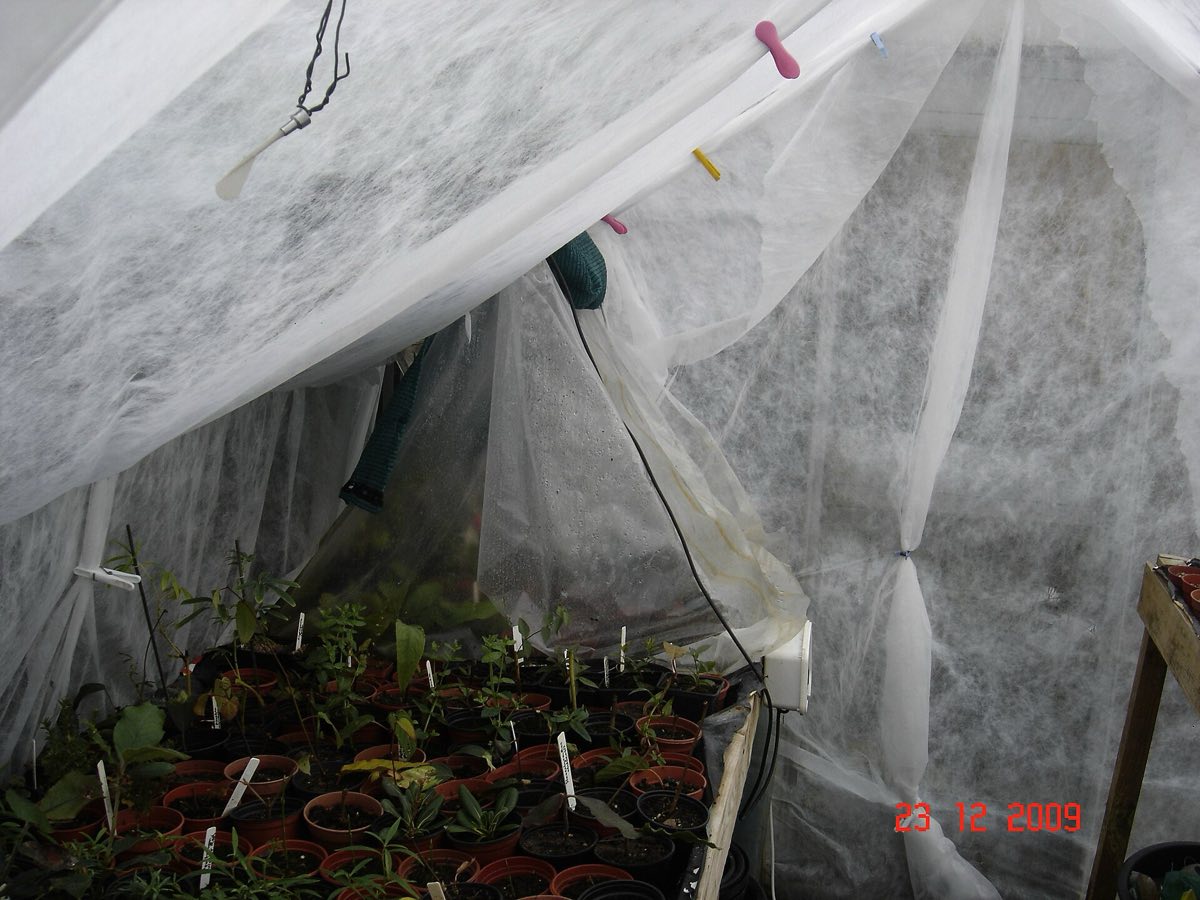
- Fleece and fine insect mesh laid over hoops keep flying insects, butterflies and birds off seedlings and vegetables. Bury or weigh down the edges.
- Bottle cloches: clear plastic bottles with the bottoms cut off, pushed over individual seedlings, protect them from slugs and wind for their first couple of weeks. Remove the cap for ventilation.
- Collars: rings cut from plastic pots, pushed into the soil around a young plant, keep slugs and cutworms off.
- Copper tape around the rims of pots deters slugs and snails to a degree, as long as it stays clean and no leaves bridge the gap.
- Grit, crushed shells and wool pellets spread around plants deter slugs on dry days, but rain reduces their effect.
- Beer traps: a container sunk in the soil and half filled with beer attracts slugs, which fall in. Leave the rim about 2 cm above the soil so ground beetles do not fall in too, and empty it every day or two.
- Shelter traps: upturned grapefruit halves, planks or tiles laid on damp soil gather slugs underneath by morning. Lift and collect.
- Sticky traps in a greenhouse catch whitefly, thrips and fungus gnats and show when a problem is starting. Do not use them outdoors, where they catch beneficial insects.
Good hygiene
Much disease is carried from plant to plant, and from one season to the next, by people and debris. Simple, regular habits break that cycle.
- Remove diseased material promptly. Pick off spotted leaves, cut out mouldy buds and clear fallen rose leaves. Do not compost them unless your heap gets very hot; dispose of them in green waste collected by the council or the household bin.
- Clean tools. Wipe secateurs with disinfectant or a cloth dampened with alcohol between plants when cutting out disease, especially viruses and cankers.
- Wash pots and trays in hot soapy water before reuse. Damping off, vine weevil eggs and many diseases overwinter on old containers.
- Quarantine new plants. Keep newly bought or gifted plants apart for a week or two and check them for pests. Tip pot-grown plants out and check the roots for vine weevil grubs before planting.
- Rotate annuals where possible. China asters, sweet peas and many vegetables build up soil-borne diseases if grown in the same place every year.
- Tidy, but not too much. Remove diseased debris, but leave healthy seed heads, hollow stems and leaf litter in corners for overwintering predators. A garden cleared of everything in autumn is a garden cleared of ladybirds.
When to give up on a plant
Some plants are not worth saving. Recognising them early saves time, protects nearby plants and frees space for something better suited to your garden.
- Virus infections. There is no cure. Remove the plant before aphids spread the virus further.
- Root rot and honey fungus. If roots have rotted, the plant will not recover. Remove it, improve drainage, and replant with something else.
- The same problem every year. A rose that is bare from black spot by July every summer, a phlox white with mildew every August, a hosta shredded to lace every May. These plants are telling you something about their position or their variety. Replace them with resistant varieties or with different plants entirely.
- Old, exhausted plants. Short-lived perennials like lupins, penstemons and wallflowers decline after a few years and become more prone to problems. Take cuttings or sow new ones and let the old plants go. See seeds and propagation.
- Plants in the wrong place. A lime-hater on chalk, a lavender in wet clay, a sun-lover under a tree. No amount of care fixes the wrong spot.
Removing a plant is not failure. It is editing. Every garden that looks effortless is the result of years of quietly replacing what did not thrive with what did. Keep notes, as in the journal, of what struggled and why, and next year's garden will be healthier for it.