 Mayday Flowers
Soil and Compost
Every good flower starts underground. Most problems I see in gardens, from sulking roses to mildewed asters, come back to soil that is too wet, too dry, too compacted or too poor in organic matter. The good news is that soil improves every year you look after it, and the main tool is free: compost made from the garden itself.
Understanding soil types
Soil is a mixture of mineral particles, organic matter, water, air and an enormous number of living things. The mineral part decides its basic character, and it comes in three sizes: sand (the largest, gritty to the touch), silt (smooth and floury) and clay (the finest, sticky when wet). Most garden soils are a mix, and the proportions decide how the soil behaves.
Sandy soil
Light, quick to warm in spring and easy to dig at almost any time of year. Water drains straight through, taking nutrients with it, so sandy soils are often hungry and dry. Mediterranean plants, lavender, bearded iris and many bulbs love it. Improve it with plenty of organic matter every year, because it burns through compost quickly.
Clay soil
Heavy, slow to warm, sticky in winter and baked hard with deep cracks in a dry summer. It is also naturally fertile, because the tiny clay particles hold nutrients and water well. Roses, peonies, asters and most shrubs grow superbly on clay once it has been opened up with organic matter. The secret is never to walk on it or dig it when wet: it smears into a solid layer that roots cannot penetrate.
Loam
The ideal: a balanced mix of sand, silt and clay with good organic content. It holds moisture without waterlogging, crumbles easily and is fertile. Very few gardens start with perfect loam, but many get close to it after years of mulching.
Chalky soil
Shallow, stony and pale, lying over chalk or limestone. It drains freely and is alkaline, often with a pH of 7.5 or higher. Lime-hating plants such as rhododendrons, camellias and most heathers turn yellow and fail. Plenty of flowers thrive, though: scabious, pinks, clematis, lilac, salvias and most herbs. Organic matter helps it hold water but will not change its pH for long.
Peaty soil
Dark, spongy and acid, high in organic matter and slow to drain. Rare in gardens except near bogs or moorland. Peat itself should never be dug out or bought for gardening; peat bogs take thousands of years to form and are important habitats.
Simple soil tests
You do not need a laboratory to understand your soil. Three simple tests tell you most of what matters, and they cost nothing more than a jam jar and a pH kit.
The squeeze test
Take a handful of moist soil from about 10 cm down and squeeze it firmly.
- If it falls apart as soon as you open your hand and feels gritty, it is sandy.
- If it holds a shape but crumbles when poked, it is loam.
- If it forms a firm, sticky ball that you can roll into a sausage and bend into a ring without cracking, it is clay. The longer and thinner the sausage you can make, the more clay there is.
- If it feels silky and smooth like flour, it has a lot of silt.
The jar test
Fill a straight-sided jar about one third full with soil, picking out stones and roots. Top up with water to about three quarters, add a teaspoon of washing-up liquid to help the particles separate, put the lid on and shake hard for two minutes. Stand it somewhere it will not be disturbed.
Sand settles to the bottom within a minute. Silt settles above it over the next few hours. Clay can take a day or more, and the water stays cloudy while it does. Organic matter floats. After two days, measure the thickness of each layer and you have a rough picture of your soil's make-up. A loam shows roughly 40 percent sand, 40 percent silt and 20 percent clay.
Testing pH
pH measures acidity on a scale from 0 to 14, where 7 is neutral. Most garden flowers are happiest between 6 and 7, slightly acid. Below 5.5 is suitable only for acid-lovers like rhododendrons, pieris and blueberries; above 7.5 suits lime-lovers. A simple test kit from a garden centre uses a little soil shaken with water and a chemical that changes colour. Test samples from several spots, because pH can vary across even a small garden, especially near walls where old mortar makes the soil more alkaline.
A quick clue costs nothing: look at what grows well nearby. Rhododendrons and heathers thriving in neighbouring gardens mean acid soil. Wild clematis and scabious on the verges suggest chalk. Hydrangeas are a natural indicator: pink flowers on alkaline soil, blue on acid.
Drainage
Roots need air as well as water. In waterlogged soil the air spaces fill with water, roots suffocate and rot sets in. Many plants that "die of cold" in winter actually die of wet roots: lavender, rosemary, tulips, salvias and many alpines tolerate frost far better than standing in cold, wet soil.
Testing drainage
Dig a hole about 30 cm deep and wide, fill it with water and let it drain. Fill it again. If the second lot of water has gone within a few hours, drainage is good. If water is still sitting there after a day, drainage is poor and you should either improve the soil or choose plants that tolerate damp, such as astilbe, hostas, ligularia, Siberian iris and candelabra primulas.
Improving it
- Add organic matter every year as a surface mulch. Worms carry it down and open the soil over time. This is the slowest method and the most lasting.
- Raised beds 20 to 30 cm high lift roots above the wettest layer. They are the fastest fix on heavy clay.
- Break a hard pan. Old gardens and new builds often have a compacted layer 20 to 40 cm down, left by machinery or years of digging to the same depth. Push a garden fork in and lever it back to crack the pan without turning the soil over.
- Plant on a slight mound, especially for lavender, tulips and Mediterranean herbs, and add a handful of grit to the planting hole.
Sand added to clay in small amounts often makes things worse, producing something closer to concrete. It takes very large quantities of coarse grit to change a clay's texture, which is why organic matter is the better route.
Organic matter
If there is one rule for soil, it is this: add organic matter, every year, as much as you can. Organic matter is anything that was once alive: compost, leaf mould, well-rotted manure, shredded bark, straw, spent mushroom compost. It does remarkable things to every soil type.
- On clay it binds the fine particles into crumbs, creating air spaces, so the soil drains better and cracks less.
- On sand it acts like a sponge, holding water and nutrients that would otherwise wash through.
- It feeds earthworms and the microscopic life that turns dead material into plant food.
- It releases nutrients slowly, over months, rather than in a single flush.
A layer about 5 cm deep spread over the soil each autumn or late winter is a good aim for flower beds. You do not need to dig it in. Worms will pull it down for you, and the soil structure underneath stays undisturbed.
No-dig beds
Digging was once thought essential, and the image of a gardener turning over a whole plot every autumn is still strong. Many gardeners now dig as little as possible. Digging breaks up fungal networks and worm burrows, brings buried weed seeds to the surface where they germinate, and speeds the loss of organic matter. A no-dig bed relies on surface mulch and soil life instead.
Making a no-dig bed
- Mark out the bed. Do not dig, and do not remove the grass or weeds, though cutting them short helps.
- Cover the area with plain brown cardboard, overlapping the edges by 15 cm so no light gets through. Remove tape and staples. Water it well.
- Spread 10 to 15 cm of compost or well-rotted manure on top.
- Plant straight into the compost. Annuals, transplants and bulbs can go in immediately.
- Each year, add 3 to 5 cm more compost as a top layer.
The cardboard smothers grass and annual weeds and rots away within a few months, by which time worms have mixed the compost into the soil below. Perennial weeds such as bindweed, couch grass and ground elder may push through; pull every shoot the moment you see it, and they weaken and give up within a season or two. Docks and dandelions should be lifted with a trowel first.
No-dig works best in autumn, giving the cardboard the winter to break down. In my own garden the first no-dig bed was on a lawn; by the following June the soil underneath was dark and full of worms, and I have not dug a flower bed since.
Building a compost heap
Compost is decomposed organic matter, made by bacteria, fungi, worms and countless small creatures. A heap simply gives them the right conditions: a mix of materials, enough moisture and some air.
Choosing a bin or bay
A heap needs to be at least about 1 m in each direction to hold heat and moisture well, though a smaller closed plastic bin works in a small garden. Wooden bays made from pallets are the classic choice; two or three side by side let one heap rot while you fill the next. Put the heap on bare soil, not paving, so worms can move in, in a spot that is sheltered and partly shaded. Full sun dries it out.
Greens and browns
The most important idea in composting is balance between two kinds of material.
- Greens are soft, moist and rich in nitrogen: grass clippings, vegetable peelings, fruit scraps, coffee grounds, tea leaves, young weeds, soft prunings, spent bedding plants, comfrey and nettles. They rot fast and supply heat.
- Browns are dry, tough and rich in carbon: cardboard, scrunched paper, egg boxes, straw, dry leaves, woody stems cut short, sawdust from untreated wood. They rot slowly and create air pockets.
Aim for roughly equal volumes of greens and browns, leaning towards more browns if anything. Too many greens, especially grass clippings, make a slimy, smelly heap. Too many browns make a dry heap that barely changes for years. Add materials in thin layers, or mix them as you go.
What to leave out
Cooked food, meat, fish and dairy attract rats. Diseased plant material such as clubroot-infected roots, blighted potato foliage and rose leaves with black spot is better burned or put in council green waste, where higher temperatures kill pathogens. Roots of perennial weeds like bindweed and couch grass should be drowned in a bucket of water for a month first, until they are a dark sludge. Dog and cat waste and coal ash never go in.
Moisture and turning
The heap should feel like a wrung-out sponge: damp, but not dripping. In dry weather water it or add more greens; in wet weather cover it with an old carpet or a sheet of cardboard and add browns. Turning the heap every few weeks with a fork lets air in and mixes the outer material into the warmer middle, speeding things up considerably. Without turning it will still rot, just more slowly.
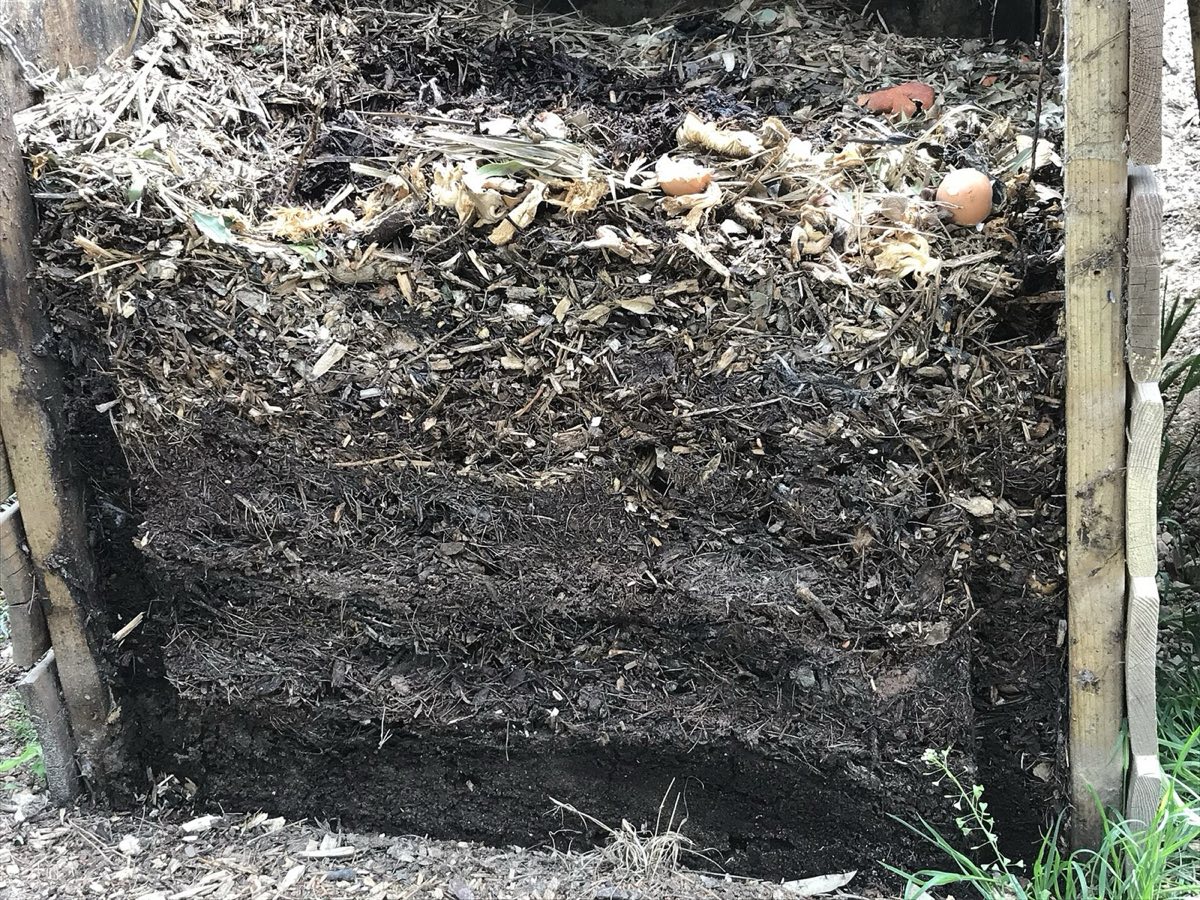
Compost is ready when it is dark brown, crumbly, smells of a woodland floor and you can no longer recognise what went in. A few twigs or eggshells do not matter; sieve them out or put them back in the next heap.
Hot and cold compost
There are two ways to compost, and most gardeners use a bit of both.
Cold composting
The easy way: add material whenever you have it, turn it occasionally or not at all, and wait. It takes 12 to 24 months to produce usable compost. The heap never gets very hot, so weed seeds and diseases may survive. It suits a small household and a relaxed gardener.
Hot composting
Build a whole heap at once, at least 1 m cubed, from a well-mixed blend of greens and browns. Within a few days the centre heats to 55 to 65 °C as bacteria work rapidly. You can feel the warmth by pushing your hand into the middle, and it steams on cold mornings. When the temperature falls after a week or two, turn the heap completely, moving the outside to the middle, and it heats up again. Repeat three or four times. Finished compost can be ready in two to three months.
Hot composting kills most weed seeds and many plant diseases, but it needs a large quantity of material at once, which few small gardens have.
Leaf mould
Fallen leaves are too valuable to burn or throw away. They rot slowly, mainly through fungi rather than bacteria, and produce leaf mould: a dark, crumbly, sweet-smelling material that is one of the best soil conditioners there is. It is low in nutrients but superb for structure and moisture.
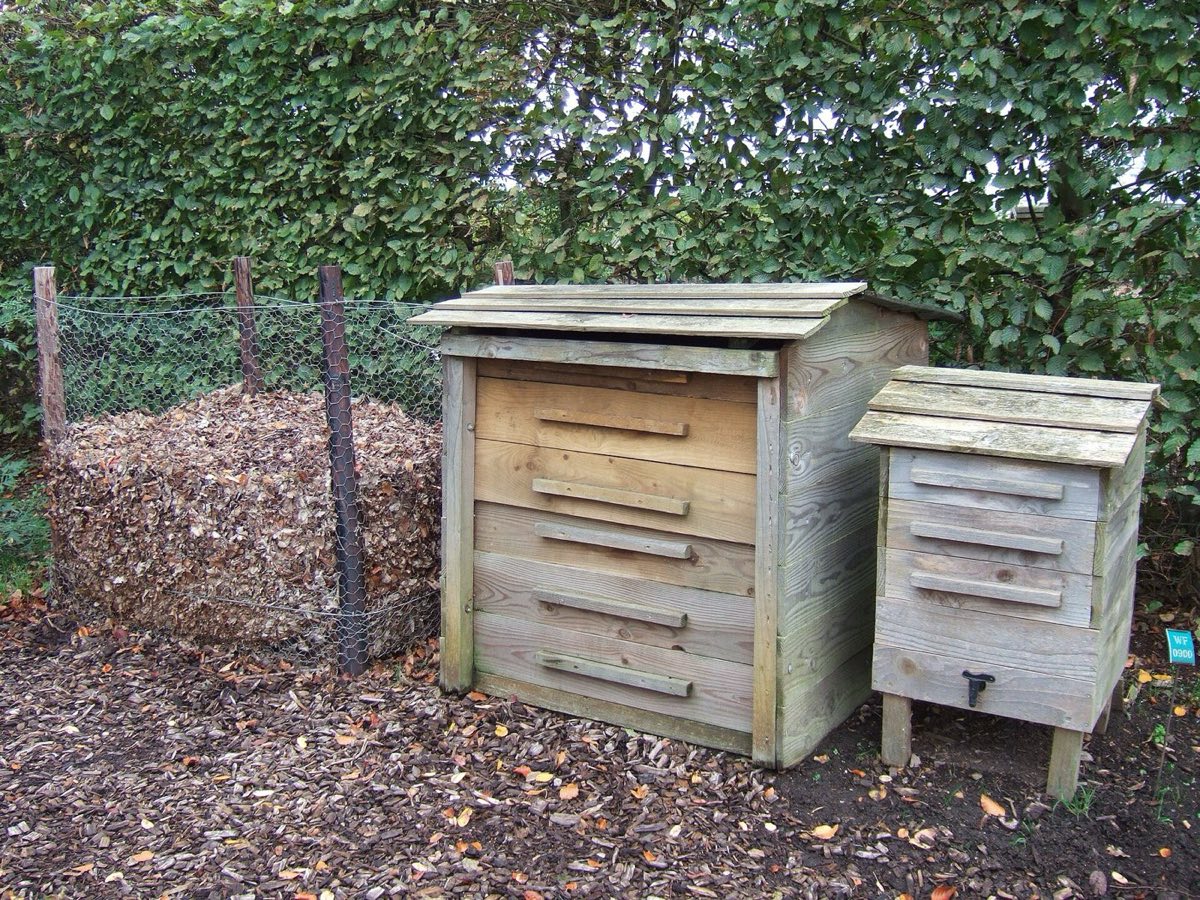
Collect leaves in autumn, ideally when they are damp. Pile them into a simple cage of chicken wire on four posts, or pack them into black plastic sacks with a few holes punched in the sides. Water them if dry. Then leave them alone.
After one year you have a rough leaf mould, good as a mulch. After two years it is fine and crumbly, ideal for adding to seed and potting mixes. Oak, beech and hornbeam rot fastest. Sycamore, horse chestnut and plane are slower; running a mower over them first helps. Evergreen leaves such as holly, laurel and conifer needles take years and are best kept out.
Worm composting
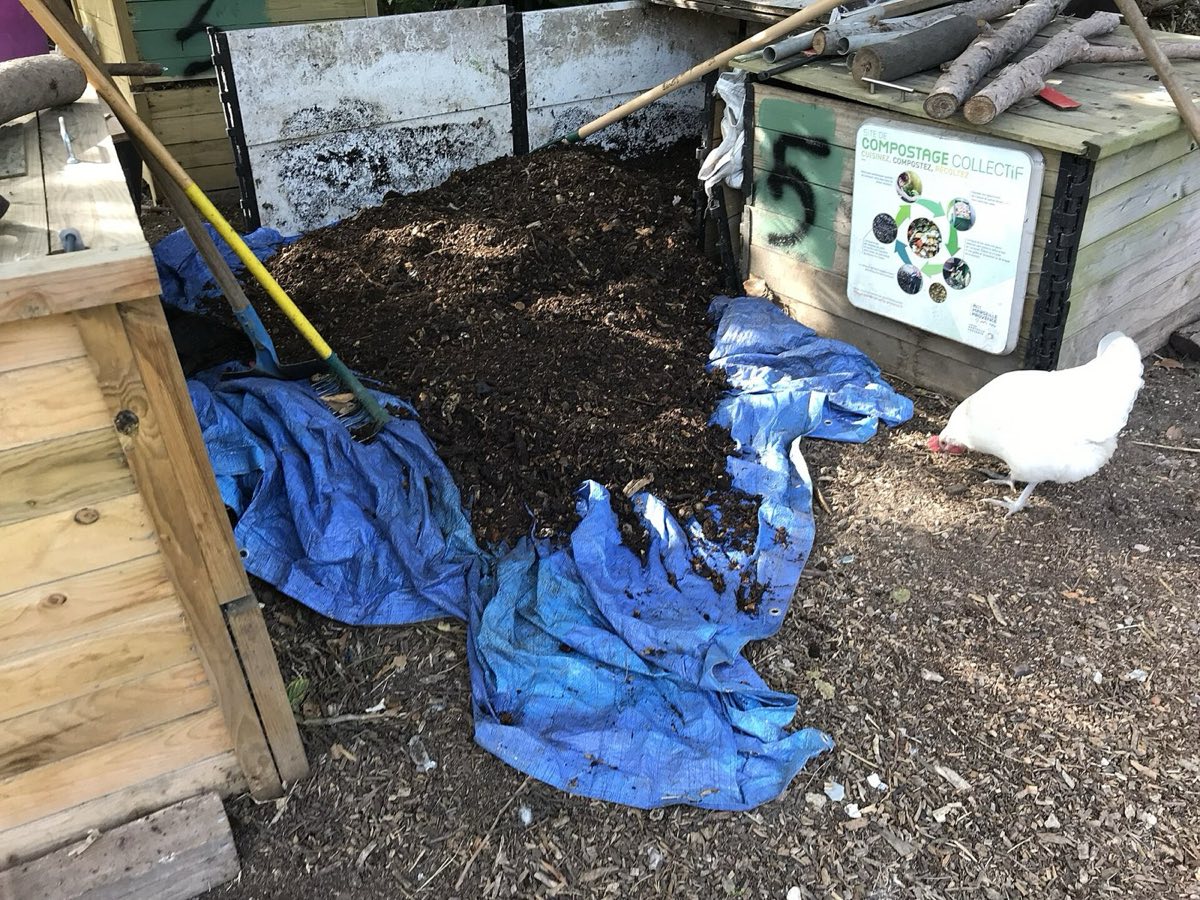
A wormery is a box of composting worms that eat kitchen scraps and turn them into a rich, fine material called worm casts, or vermicompost. It suits gardens without room for a heap and households with a steady supply of peelings.
The worms are not ordinary earthworms but small red composting worms (Eisenia fetida and close relatives), sometimes called brandlings or tiger worms. They live in rotting material near the surface rather than in soil. You can buy them, or find them in an established compost heap.
- Start with a bedding layer of damp shredded cardboard and a little compost, then add worms.
- Feed small amounts at first, chopped finely: fruit and vegetable scraps, coffee grounds, tea leaves, crushed eggshells.
- Avoid citrus peel, onions and garlic in quantity, meat, dairy and anything oily. They make the bin acidic or smelly.
- Add a handful of shredded paper or cardboard with each feed to absorb moisture.
- Keep the wormery between about 10 and 25 °C. In a cold winter, move it into a shed or garage; worms slow down below 10 °C and die if frozen.
Worm casts are strong. Use them sparingly as a top dressing for pots or mixed into potting compost at about one part to four.
Mulches
A mulch is any layer spread over the soil surface. It suppresses weeds by blocking light, keeps moisture in, protects the soil from heavy rain and summer baking, and, if organic, feeds soil life as it breaks down. Apply mulch to moist soil, never to dry ground or frozen soil, because it locks in whatever condition is underneath. Late winter and mid spring, after rain, are the best times; autumn is good for compost on bare beds.
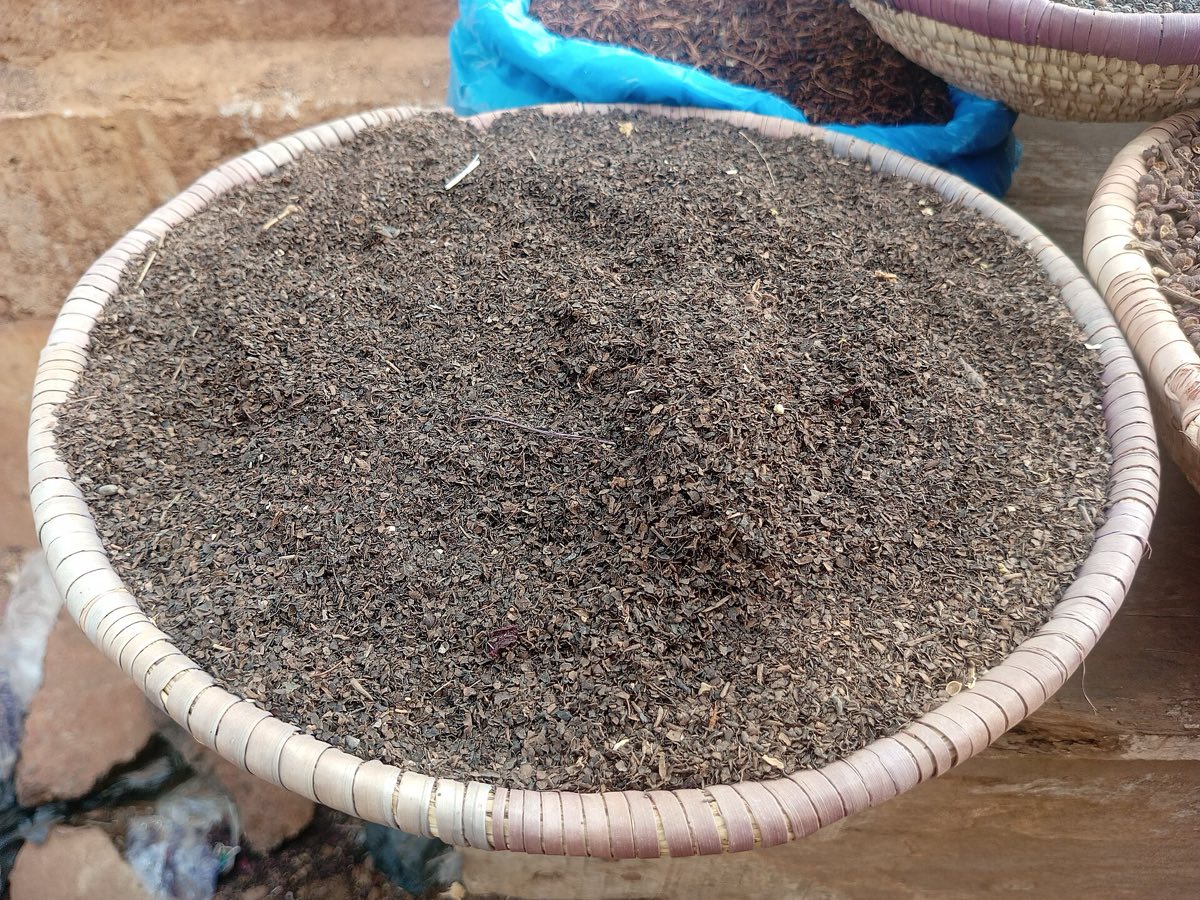
Keep mulch a few centimetres clear of plant stems and the trunks of shrubs, which can rot if buried.
| Mulch | Depth | Feeds the soil | Best for | Watch out for |
|---|---|---|---|---|
| Garden compost | 5 cm | Yes, moderately | All beds, vegetables, cutting patch | Weed seeds if made cold |
| Well-rotted manure | 5 cm | Yes, strongly | Roses, hungry perennials, dahlias | Must be well rotted; check source |
| Leaf mould | 5 cm | A little; great for structure | Woodland plants, shady borders | Takes a year or two to make |
| Composted bark | 5 to 7 cm | Slowly | Shrub borders, around trees | Rob nitrogen if dug in |
| Wood chip | 7 to 10 cm | Slowly | Paths, shrub beds | Not for seed beds or annuals |
| Straw | 10 cm | Slowly | Under strawberries, vegetable rows | Can hold grain seeds; slugs shelter |
| Grass clippings | Thin, 2 cm at a time | Yes, quickly | Vegetables, around shrubs | Thick layers go slimy; avoid if lawn was treated |
| Gravel or grit | 3 to 5 cm | No | Alpines, lavender, Mediterranean plants | Hard to remove later |
| Cardboard | One layer, overlapped | Slowly | Clearing weeds, starting new beds | Remove tape; cover with compost |
Green manures
Green manures are fast-growing plants sown to cover bare soil and then cut down and returned to it. They stop winter rain from washing out nutrients, smother weeds, protect the soil structure and add organic matter. Some, from the pea family, take nitrogen from the air and store it in nodules on their roots.
- Phacelia: sow March to September. Fast, ferny, with blue flowers loved by bees. Not frost-hardy in a cold winter, which saves you cutting it.
- Crimson clover: sow spring to late summer. Fixes nitrogen, pretty red flowers.
- Winter field beans: sow September to November. Hardy, fixes nitrogen, deep roots.
- Grazing rye: sow August to October. The hardiest option, with a dense root system that improves structure. Cut it a month before sowing, because it releases substances that inhibit seed germination.
- Winter tares (vetch): sow July to September. Hardy and nitrogen-fixing.
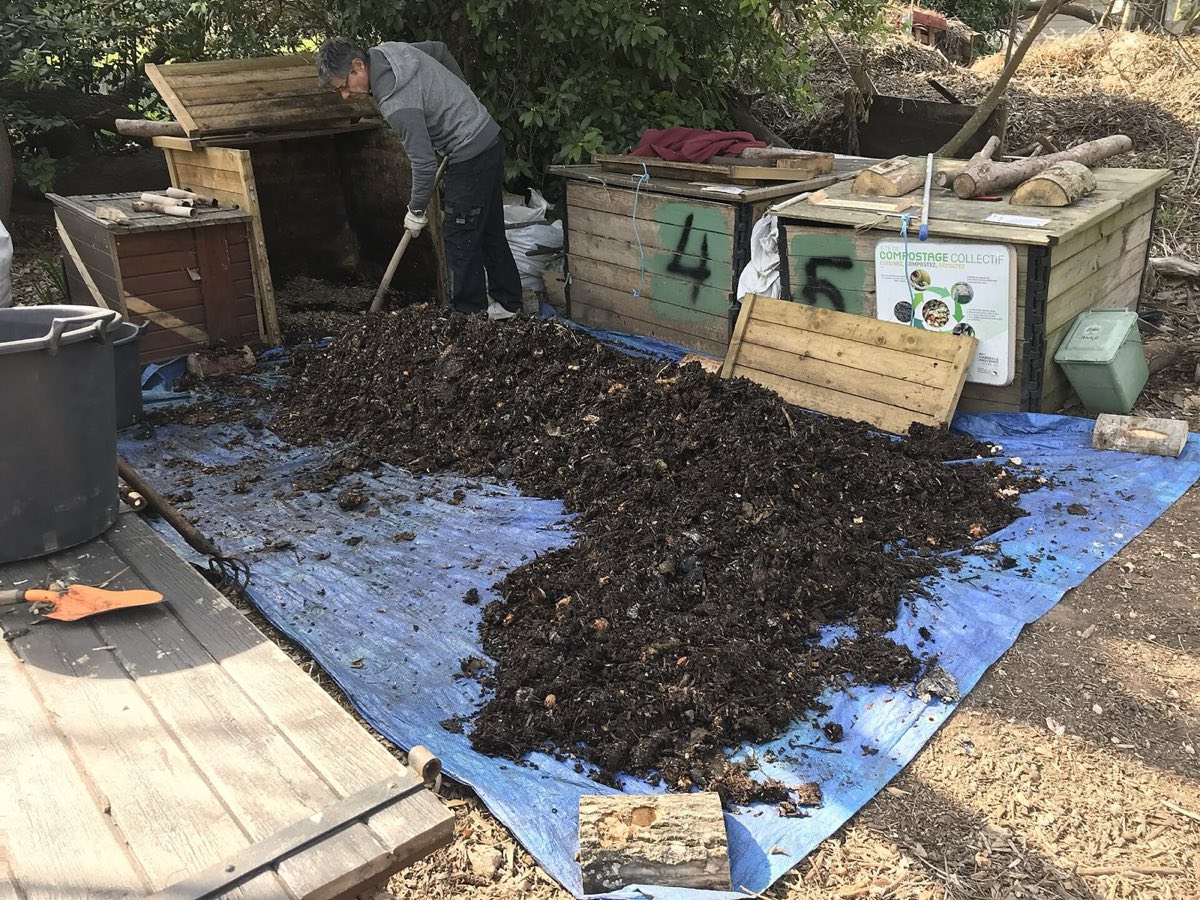
- Buckwheat: sow May to August for a quick summer cover. Killed by frost.
Cut green manures before they flower, or at least before they set seed, and before the stems become tough. Chop them up with shears or a spade, leave them on the surface to wilt for a few days, then either dig them in lightly or cover them with compost or cardboard and let worms do the work. Wait two to three weeks before sowing into the area.
Mustard is often sold as a green manure, but it is a brassica and shares clubroot disease with cabbages and wallflowers. Leave it out if you grow those.
Feeding plants organically
Soil rich in organic matter supplies most of what established flowers need. Extra feeding matters for hungry plants (roses, dahlias, sweet peas), for pots, where roots cannot search for food, and for poor soils in the first few years.
The three main nutrients
- Nitrogen (N) drives leafy growth. Too much gives lush, soft leaves that attract aphids and few flowers.
- Phosphorus (P) supports roots and young plants.
- Potassium (K), often called potash, encourages flowers, fruit and general hardiness.
Packaged feeds show these as three numbers, the N:P:K ratio. A flowering plant generally wants a balanced feed in spring and a higher potash feed once buds form.
Organic fertilisers explained
- Blood, fish and bone: a balanced general feed, scattered around plants in spring at about a handful per square metre and lightly raked in. It can attract dogs and foxes, so work it into the surface.
- Bonemeal: rich in phosphorus and slow to release. Traditionally added to planting holes for shrubs and bulbs. Most garden soils already have enough phosphorus, so it is often unnecessary.
- Pelleted poultry manure: high in nitrogen, cheap and effective for hungry plants. Use sparingly; it is strong.
- Seaweed meal and liquid seaweed: modest nutrients but a wide range of trace elements. A good tonic for pots and seedlings.
- Sulphate of potash: a mined mineral accepted in organic growing, used to boost flowering and fruiting.
- Wood ash from untreated wood: contains potash and raises pH. Use only small amounts, never on acid-loving plants, and keep it dry until used, because rain washes the potash out.
Homemade liquid feeds
Comfrey leaves soaked in water for three to five weeks make a potash-rich liquid feed, excellent for sweet peas, tomatoes and flowering pots. Nettle leaves treated the same way give a nitrogen-rich feed for leafy growth. Weigh the leaves down under water in a lidded bucket. Both smell dreadful when ready; dilute them about one part to ten with water before use.
Stop feeding most perennials and shrubs by late summer. Soft growth made in September will not harden before the first frosts in late October and is easily damaged.
Soil life
A handful of healthy soil holds billions of living things, most of them far too small to see. They are the reason organic matter turns into plant food, and the reason good soil smells sweet and earthy.
- Earthworms pull leaves and mulch down from the surface, mix layers, and leave tunnels that carry air and water deep down. Their casts are rich in plant-available nutrients. Plenty of worms in a spadeful is the best sign of healthy soil.
- Bacteria break down soft, fresh material quickly and release nutrients.
- Fungi decompose tougher, woody matter. Many form partnerships with roots called mycorrhizae, fine threads that extend a plant's reach for water and phosphorus in exchange for sugars. Digging and heavy fertilising disrupt these networks.
Encouraging soil life is simple: keep the soil covered, add organic matter, avoid compaction and dig as little as possible. Soil left bare through winter loses structure and life. Soil covered in mulch or green manure keeps both.
Common mistakes
- Working wet soil. Walking on or digging soil that sticks to your boots damages its structure for months. Wait until it crumbles. Lay planks to stand on if you must work.
- Leaving soil bare. Bare soil is eroded by rain, baked by sun and colonised by weeds. Cover it with mulch, plants or green manure.
- Too much fertiliser. More is not better. Excess nitrogen gives soft, pest-prone growth and few flowers. Excess of anything can harm soil life.
- Using unrotted material. Fresh manure, fresh grass clippings dug in, or half-rotted compost can scorch roots or lock up nitrogen.
- A neglected compost heap. A heap of only grass clippings turns to slime; a heap of only woody prunings sits unchanged for years. Balance greens and browns.
Good soil is not made in one season. It is built a layer at a time, each autumn and spring. For how this fits into the year's work, see the calendar, and for keeping plants healthy once they are growing, see pests and diseases.