Mayday Flowers

Garden Journal

These are notes from one year in the garden, copied out of a battered notebook and only lightly tidied. They follow the season from frozen January to the shortest day, with the failures left in, because the failures are usually where the lessons are.

January

3 January

Minus eleven overnight, the coldest so far. The water butt froze solid and the lid bowed upwards. I spent the morning at the kitchen table with the seed tin, sorting packets into three piles: keep, test, throw. The test pile was bigger than I expected. Ten seeds of each doubtful packet went onto damp kitchen paper in freezer bags on top of the boiler cupboard. The old larkspur is the one I am most worried about; larkspur goes off quickly and that packet is at least four years old. Outside, the grasses by the path were white with hoar frost and looked better than they did all summer.

19 January

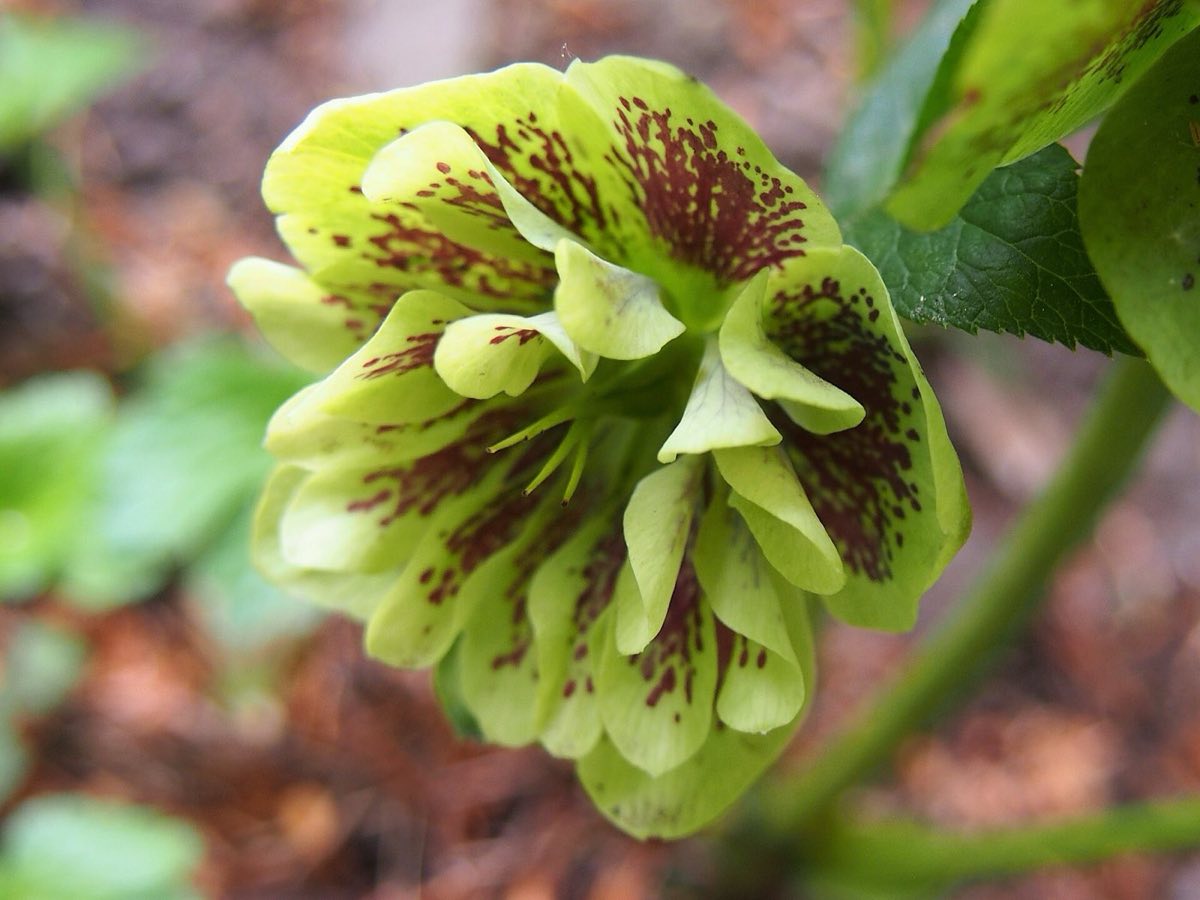
A thaw, and dry enough underfoot to cut the old leaves off the Lenten roses. Every leaf came off at the base, about forty plants' worth, into a bag for the bin rather than the compost, because half of them had black blotches of leaf spot. Underneath, the flower buds were already fat and pinkish, bent over like shepherd's crooks. The spotted plum one I grew from a self-sown seedling has six buds this year against two last year. The germination test is done: the larkspur managed one out of ten, so that goes on the order list. The cosmos was eight out of ten after a week.

28 January: the first snowdrops

The first snowdrops opened on the bank under the hedge, where the soil warms first. Only a dozen flowers, held tight shut in the morning and open by two o'clock, with that faint honey smell you only get on your knees. The big clump I divided in the green two years ago has made a proper patch now. The clumps by the shed, planted as dry bulbs the same autumn, are still a few thin leaves. I will not buy dry snowdrops again. A pair of long-tailed tits came through the hedge while I was looking, the whole family in a chattering line.

A spotted plum hellebore flower seen from below
The self-sown spotted hellebore, its best year so far.

February

11 February

Sowed the sweet peas: four kinds, two seeds per tube in cardboard toilet roll tubes packed into a crate, so they make long roots without disturbance when they go out. I did not soak or chip the seeds this time, to see whether it makes a difference. Last year's soaked ones came up in nine days. They went straight into the cold frame with a sheet of glass and a piece of mesh against mice, which dug up the whole first sowing two years ago. Also started three pots of snapdragons on the bedroom windowsill. The seed is like dust; I mixed it with dry sand to spread it.

Late February

A run of dry, bright days, so the shears came out. Cut the clematis on the arch down to the lowest strong pair of buds, about knee height, which felt brutal as always. Cut the miscanthus to a few centimetres. I was a week too late: new green tips were already showing inside the clumps and a few got snipped. Note for next year: grasses before mid February. The aconites under the apple tree opened in the sunshine, a sheet of yellow that seems to grow every year. A blackbird has started singing from the television aerial at dusk.

March

8 March: windowsill season

Sowed cosmos, zinnias and a tray of tobacco plants in recycled pots on the landing windowsill. The sweet peas in the cold frame came up unevenly: about three out of four tubes, and the unsoaked seed was a few days slower than last year but no worse in the end. Pinched out the tops of the tallest. The snapdragons are up, tiny and green, and I keep turning the tray so they do not all lean to the glass. By the end of the month the zinnias had stretched toward the window and fallen over like pale threads. I threw them out. Zinnias wait until April next year; they grow so fast that an early start buys nothing.

22 March

Divided the big Michaelmas daisy at the back of the border, which had become a ring with a dead middle. Two garden forks back to back, levered apart, and the outer pieces replanted in groups of three with compost in the holes. The woody centre went on the heap. Gave a spare piece to the neighbour over the fence, who has been admiring the clump since autumn. Spread compost on the main borders while the soil was moist; I managed half the garden before the heap ran out.

30 March

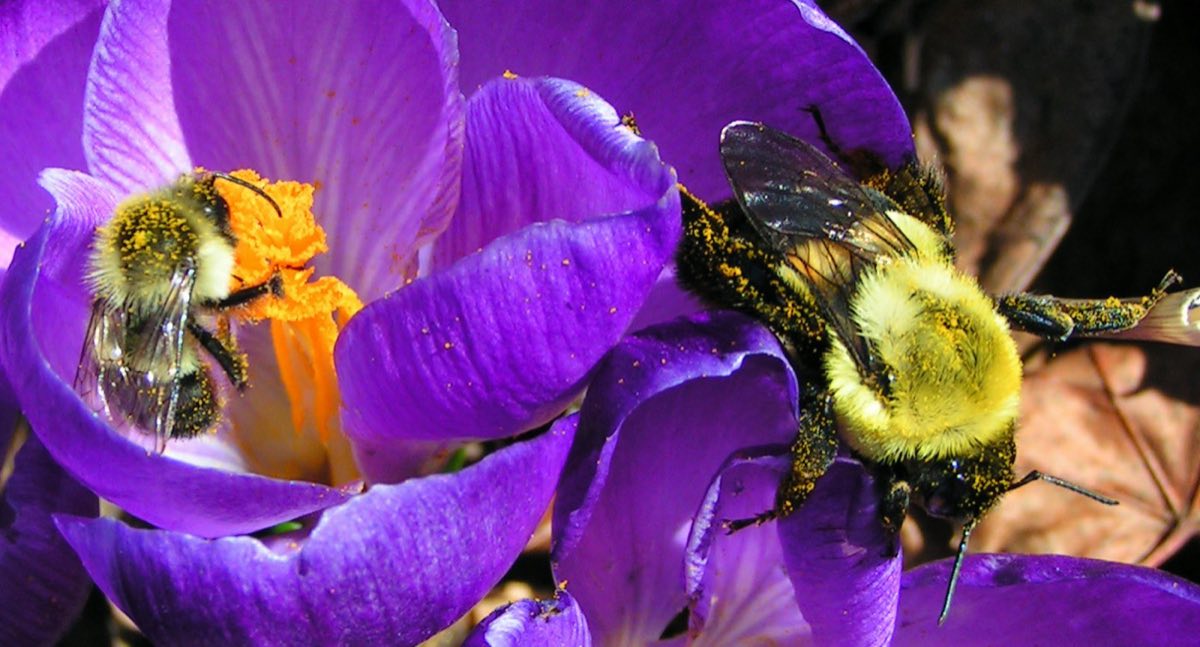
The first big bumblebee queen, enormous and slow, working the crocuses on the lawn edge at about eleven in the morning. She went from flower to flower and then sat on the warm brick of the path for a long while. The pulmonaria by the back door is open too, pink and blue flowers on the same stem. On the downside, slugs have eaten the first delphinium shoots to stumps. Put a ring of grit round the rest, without much faith in it. Went out after dark with a torch and found eleven slugs on the delphiniums alone, which explains a great deal.

A large bumblebee visiting an early crocus flower
The first bumblebee queen of the year on the lawn crocuses.

April

14 April: the bulbs

Daffodils under the apple tree were the first to open, nodding in the grass while the tree is still bare. Two weeks later the tulips in the raised bed opened all at once, dark purple and a pale apricot side by side, which worked better than I expected. The tulips in the lower, wetter corner barely came up. Of fifty bulbs perhaps a dozen made leaves and three flowered. When I dug one up, it was soft and grey. Lesson noted in capitals: bulbs need drainage more than anything else. That corner is going to be for moisture lovers and nothing else.

26 April: a late frost

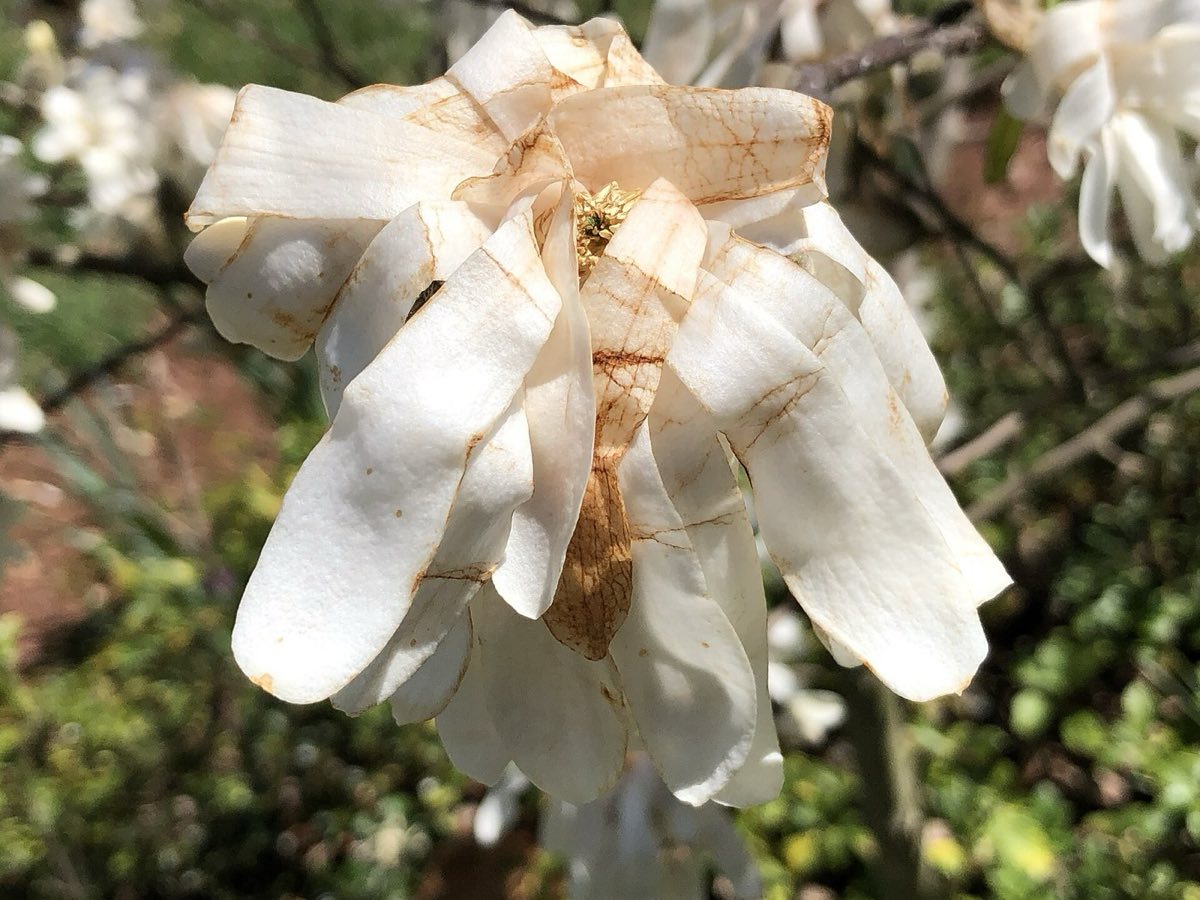
Clear sky last night and minus four by dawn, after a fortnight of mild weather. The star magnolia, which had been perfect, turned brown on every open flower by mid morning, the petals hanging like wet tissue. The sun on the frozen flowers made it worse. I had put the hardened-off cornflowers and snapdragons in the ground two days earlier; most were fine, but a few at the edge of the bed went limp and purple. The sweet peas did not mind at all. I should have watched the forecast instead of the calendar. The fleece was in the shed the whole time.

Star magnolia flowers turned brown by frost
The star magnolia the morning after the late frost.

May

9 May: peonies and patience

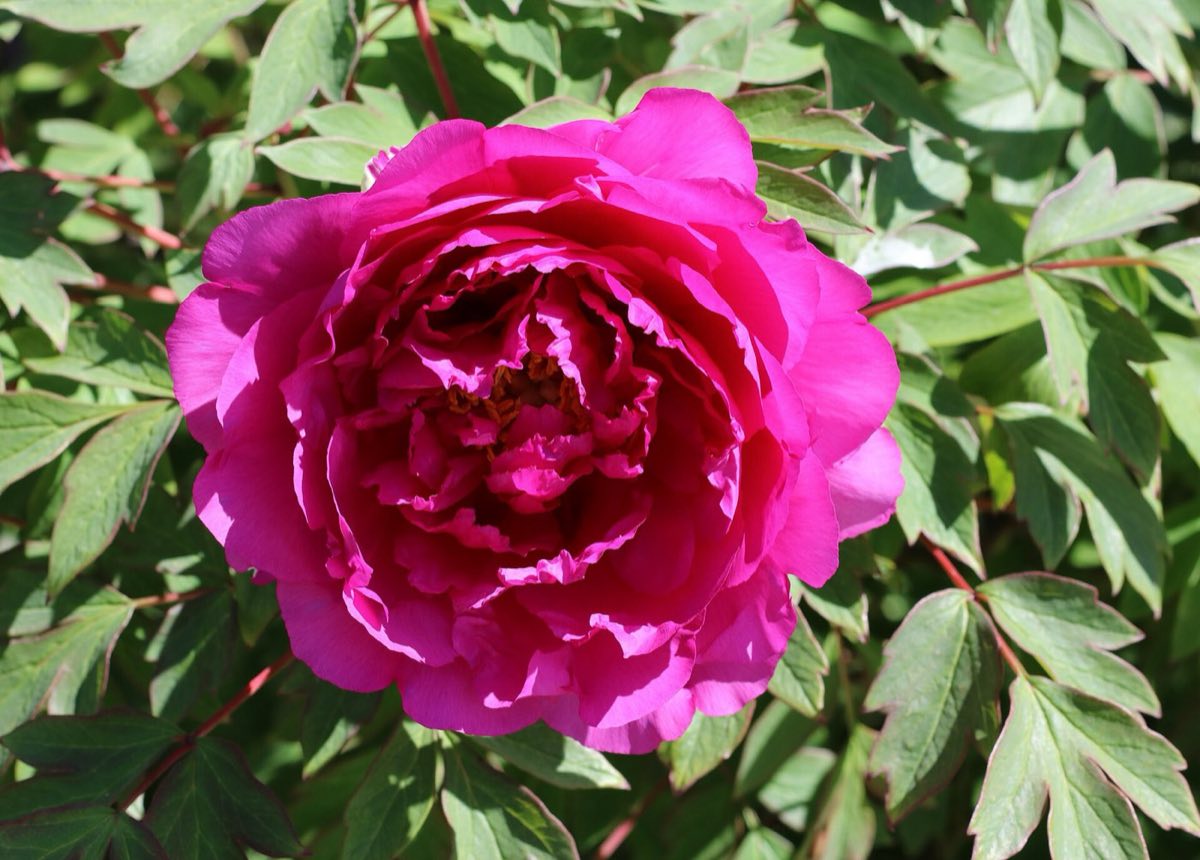
Three years after planting, the tree peony finally flowered properly: eleven flowers, each the size of a saucer, pale pink with a dark flare at the base of each petal and a boss of gold stamens. The scent is light, more rose than peony. The first year after planting it sulked, the second it gave two flowers that the rain smashed. I planted it with the graft deep, as advised, and I think that is why it has taken so long: it has been making its own roots. The herbaceous peonies are a week behind, their buds still hard balls covered in ants.

20 May

Planted out the dahlias, sixteen tubers started in pots in the greenhouse in April. Each went into a hole with a spadeful of compost and a stake knocked in first, so I do not spear a tuber later. Slug pellets are not something I use, so every plant got a collar cut from a plastic bottle for the first weeks. The forecast was clean for ten days. Also sowed zinnias direct in a row at the end of the vegetable bed, as a comparison with the pot-raised ones.

31 May

Did the late-May cut back on half of each clump of phlox and stonecrop, by about a third, with the shears. The cut halves look odd, like a bad haircut. The idea is that they flower later and lower and need no staking. The alliums are at their best, purple balls on bare stems floating over the young growth, and every one has a bee on it. The foxgloves sown last June are making spikes. Thinned the larkspur, which came up thickly from the new packet, to a hand's width apart.

A large pale pink tree peony flower
The tree peony in its third year, finally earning its space.

June

6 June

Heavy rain on the herbaceous peonies, which opened yesterday. The big double pinks are face down in the mud despite the hoop supports. I cut eight heads, shook the water out gently, and they are in a jug in the hall, filling it with that sweet, slightly spicy smell. Next year I cut more of them at the soft bud stage and enjoy them indoors in rainy weeks. The single peonies, with their open centres, stood up to the rain perfectly. That says something about which kind to plant more of.

17 June: a neighbour's cuttings

The neighbour over the fence came round with a seed tray of rooted cuttings in exchange for the aster in March: five penstemons, a dark red one and a soft pink, a pot of hardy geranium divisions and a tangle of mint I did not ask for. The penstemons came from a plant that has survived the last three winters in a raised bed, which is better evidence than any label. They went into the gravel strip by the steps, where the drainage is sharp. The mint is in a pot, and it is staying in a pot.

28 June

Greenfly thick on the tips of the climbing rose and the lupins. I was ready to spray soapy water, but in the morning I watched a pair of blue tits work along the rose stems for twenty minutes, picking them off. Ladybird larvae on the lupins, too, like little grey and orange crocodiles. I decided to leave it. A week later the rose was nearly clean. The lupins were too far gone, so I cut them right down; they usually make fresh leaves within a month. The roses, meanwhile, are in full flush, and the scent on the arch is strongest at about seven in the evening.

July

4 July: the lavender hedge

Picked bunches for drying when the first flowers on each spike had opened, about two thirds of the hedge. They are hanging upside down in paper bags from the beam in the shed. Then I trimmed the whole hedge by about a third, keeping a little green on every stem and never going into the bare wood. It looked harsh for a fortnight and then filled out again with grey new growth. Several bumblebees went on visiting the bare stubs for a day as if the flowers might come back.

16 July: dry

Twenty three days without rain, and the forecast offers nothing. The lawn is straw and I have stopped worrying about it; it will come back in September. Watering has become a question of choices. The new plants from this spring get a full can each, twice a week, at the base, in the evening. The pots get watered every morning. The established borders get nothing, and it is interesting to see what copes: the asters, the grasses and the alliums look untroubled, while the phlox has dropped its lower leaves and the astilbes in the shade have gone crisp at the edges. Mulch counts. The parts of the border I mulched in March are holding moisture a spade's depth down; the bare soil by the shed has cracked.

29 July

The lilies are open in the pots by the back door, white trumpets with a scent so strong in the evenings that it reaches the kitchen. I found two red lily beetles on them this week and their disgusting grubs under the leaves, hidden in their own droppings. Squashed all of them. They drop to the ground and lie on their backs when disturbed, so the trick is to hold a hand underneath. Rain at last in the night, not much, maybe five millimetres, but the whole garden smelled different in the morning.

A low lavender hedge in flower beside a path
The lavender hedge a few days before the July harvest.

August

8 August: sunflowers

The tallest sunflower reached a little over two and a half metres before a storm leaned it against the fence, where it stays, flowering sideways. The single-headed kind is impressive but not much use in the house. The branching variety was more useful for cutting: smaller heads, but dozens of them over six weeks, on long stems that last a week in water. Next year it is all branching ones, apart from one giant for fun. The goldfinches have already started on the first head that went over.

21 August

Seed collecting on a dry, still afternoon. Love-in-a-mist pods into one paper bag, the cornflowers into another, then the snapdragons, whose seed pods look like tiny skulls. The pot marigolds give curled seeds like caterpillars. Labelled every bag twice, inside and out, after last year's unlabelled mystery packet turned out to be grass. Also took cuttings from the best salvias and the two pelargoniums in the window boxes, a dozen of each round the edges of gritty pots. They are on the shaded bench in the greenhouse.

30 August

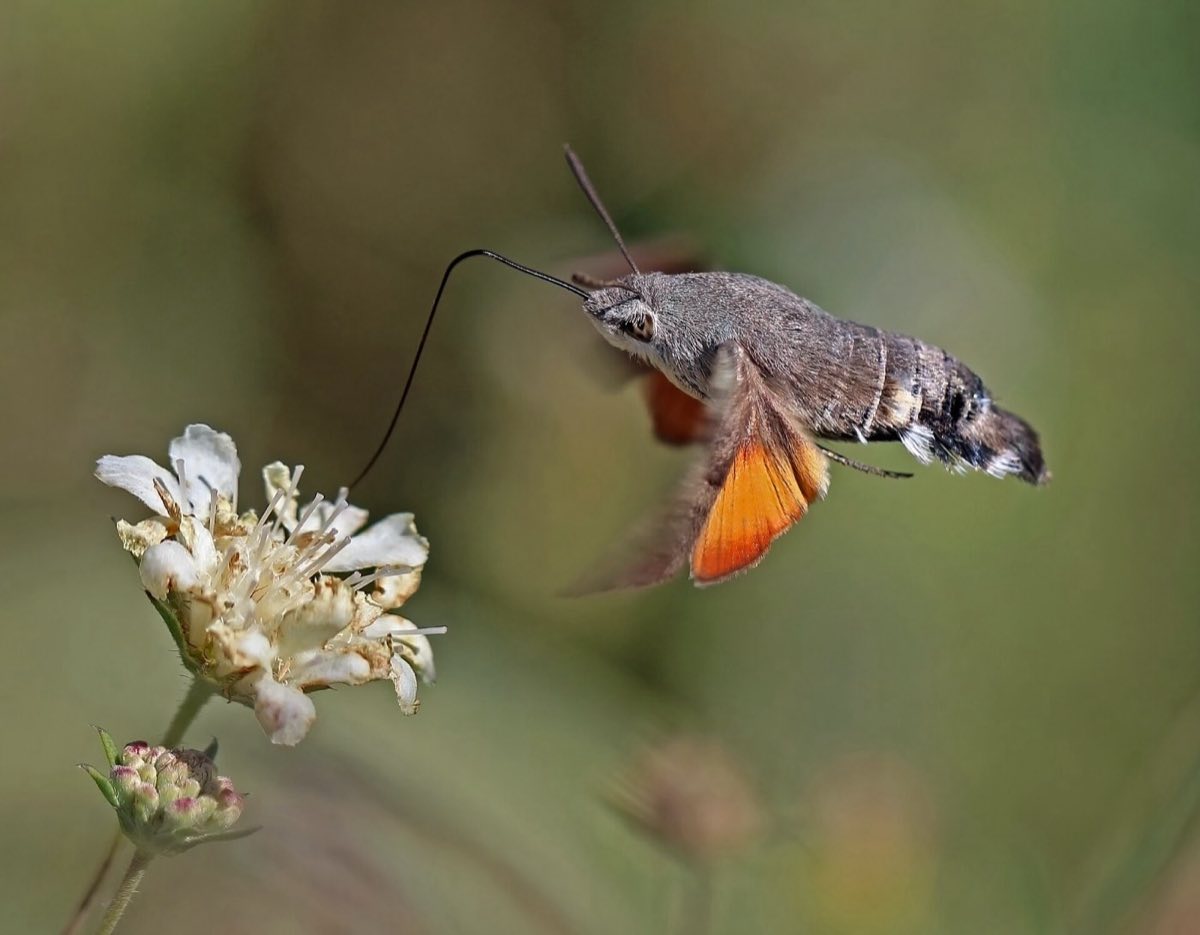
A hummingbird hawk-moth on the phlox in the evening, hovering with its long tongue in one flower after another, wings just a blur. I have seen one perhaps three times in all the years here. The phlox that I cut back in May is flowering now, two weeks behind the uncut halves, so the clumps have been in flower for nearly six weeks. That is worth repeating. The dahlias are the stars of the month. The pale yellow cactus one is the best, and so is the small dark pompon the bees ignore.

A hummingbird hawk-moth hovering at a flower
A rare visitor: the hummingbird hawk-moth at dusk.

September

10 September

Planted two hundred daffodils in the grass under the apple tree and along the hedge, using the narrow bulb planter that takes out a plug of turf. The trick for natural-looking drifts is to throw a handful and plant where they land, which feels silly and works. Most went in about 12 cm deep. The soil was still warm and slightly moist after the late August rain, ideal. Also set out the foxgloves raised from seed in June into the shady end, 30 cm apart. They are big rosettes already, flat to the ground, and should flower next June.

24 September

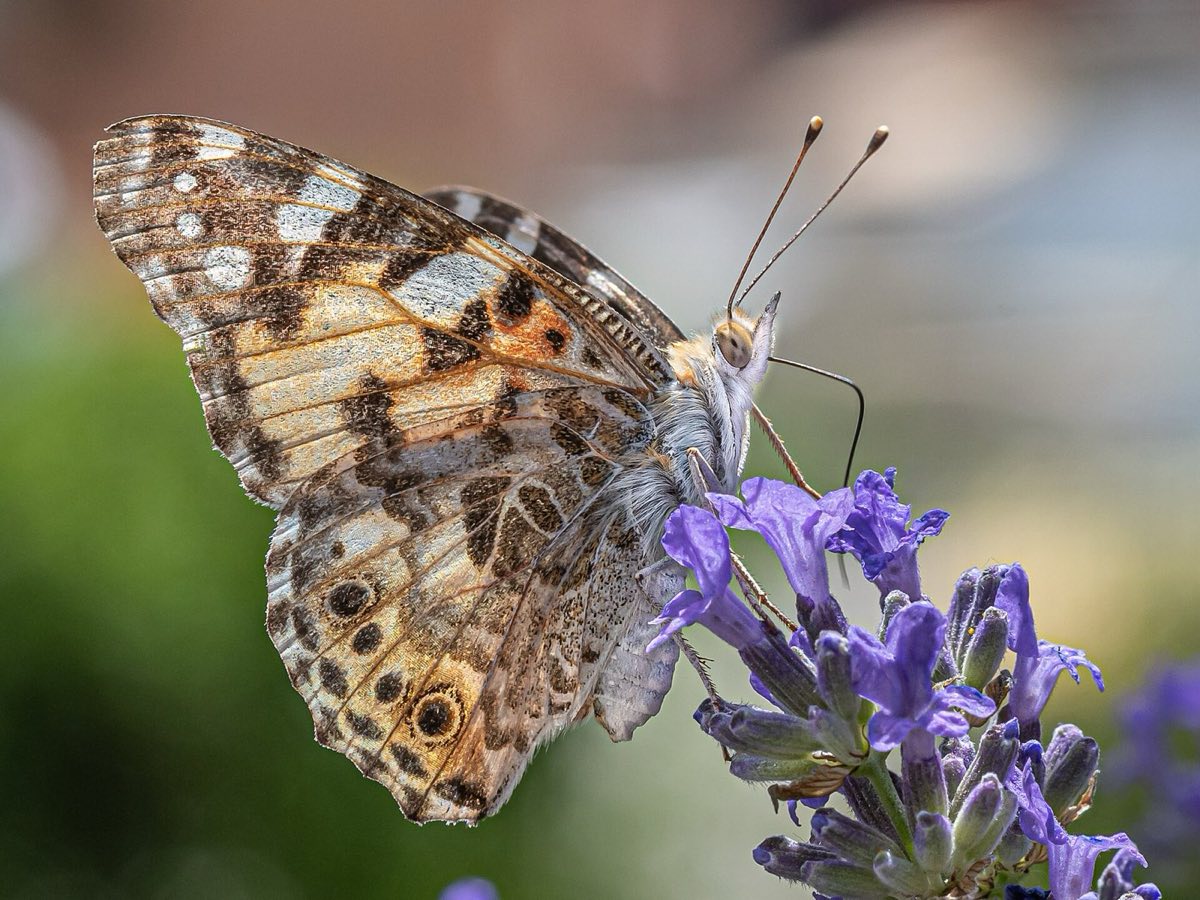
The asters are at their peak and the garden is suddenly full of insects again, as if they had all been waiting for this. On one clump I counted honeybees, three kinds of bumblebee, hoverflies, and a red admiral and a comma butterfly, both with their wings open in the sun. The stonecrops are pink going rust. The cutting back in May made the stonecrops much tidier: no splayed centres this year. Moved the tender pots nearer the house in case of an early frost. The Japanese anemones by the shed have finally spread into a proper drift after four years of doing very little; they seem to need that long to settle.

October

12 October: first frost

The first frost came on a still night after a clear day, minus two on the thermometer by the shed. By mid morning the dahlias had gone from glossy to black. The nasturtiums collapsed into a heap. The cosmos was scorched at the top but still flowering underneath. The asters and the chrysanthemums did not notice. Brought the pelargoniums and the salvia cuttings into the spare room. This is about a week later than the average in my notes, which matters less than it feels. The bed looks wrecked, but under the black leaves the soil is still warm enough for the tulips that go in later this month.

19 October: lifting the dahlias

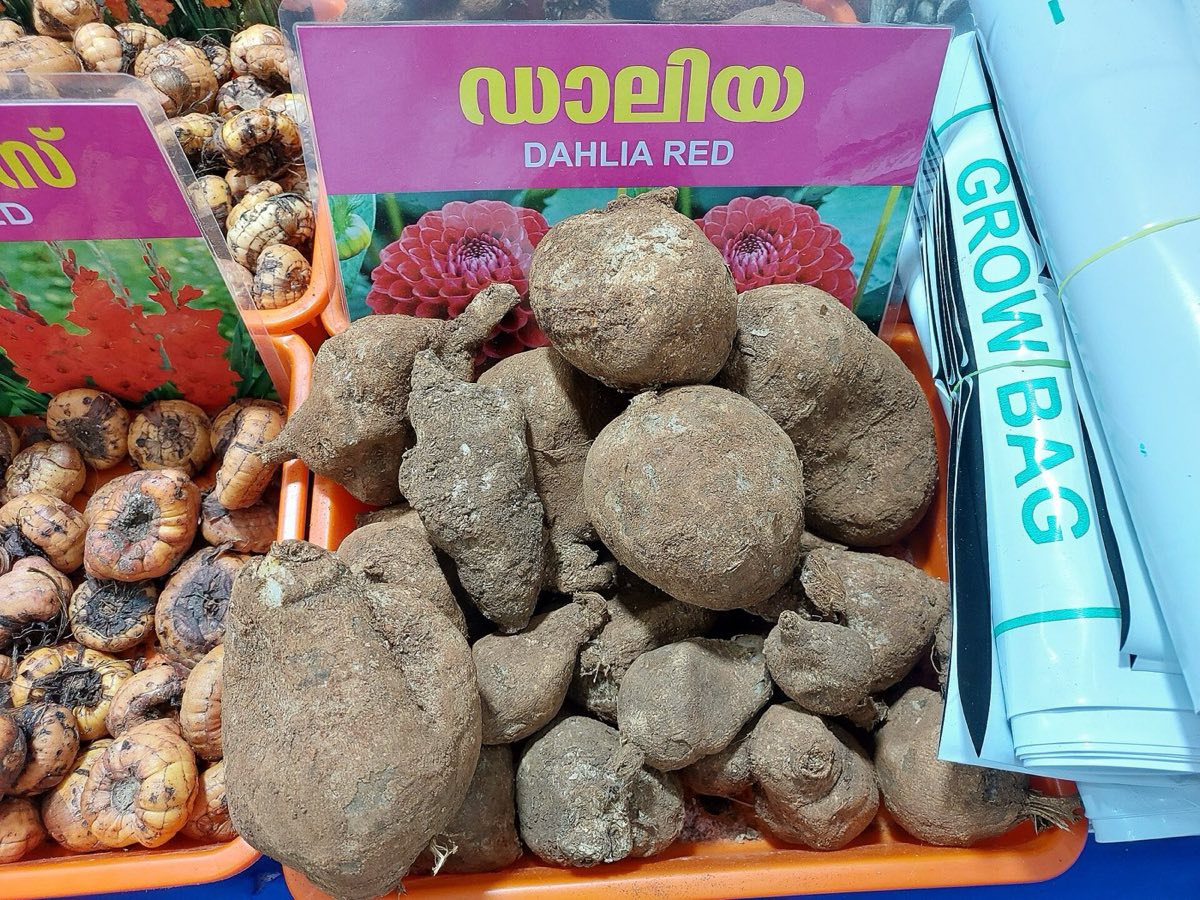
A week after the frost the tubers were lifted. I cut every stem to about ten centimetres, loosened each clump with a fork from a distance, and lifted it slowly. Several were huge, bigger than a football; one, planted in the wet corner, had rotted completely. I turned them upside down on the greenhouse staging for a few days so the water drained from the hollow stems, then knocked off the loose soil, labelled each one with a marker on the stem and a tag, and laid them in a crate of dry compost in the cellar. The cellar was 7 °C today. The asters kept flowering for another three weeks and were full of bees on every sunny afternoon.

30 October

Tulips in, eighty in the raised bed and forty in pots, at a good 15 cm deep. Raked the first big fall of leaves from the lawn and packed them into the wire leaf bin, which has turned the two-year-old batch from last autumn into dark, crumbly leaf mould. Spread that on the bed where the tulips went. Sowed sweet peas in tubes for next year, setting them in the cold frame, an experiment against the February sowing. The autumn ones will sit in the frame all winter with the lid open on mild days, and we will see in June which batch flowers first and longest.

Clumps of dahlia tubers lifted and drying
Lifted tubers, labelled and drying before storage.

November

8 November

The bare-root roses arrived, two shrub roses for the corner by the gate. I soaked them in a bucket for two hours, dug wide shallow holes, spread out the roots and set the graft about 5 cm below the soil, as advised for cold gardens, so that the bud union is protected in a hard winter. Firmed with my boot and watered in even though the soil was damp, to settle it around the roots. The winter viburnum by the gate opened its first pink flowers this week, and the winter jasmine on the shed is showing yellow.

23 November

A rainy Saturday in the shed with the radio. Cleaned and sharpened the secateurs, rubbed linseed oil into the spade and fork handles, washed the stack of seed trays. Drained and coiled the hoses. Checked the dahlia crate: two tubers showing grey mould, cut back to clean tissue and dusted with sulphur, the rest firm. The bowl of paperwhites I started on the 1st is already 20 cm tall and leaning toward the window. I turned the bowl and moved it to the cooler landing, where the light is just as good and the stems should stay a little shorter. The forced hyacinths are still out in the garage in the dark, with white shoot tips about two centimetres high.

December

7 December

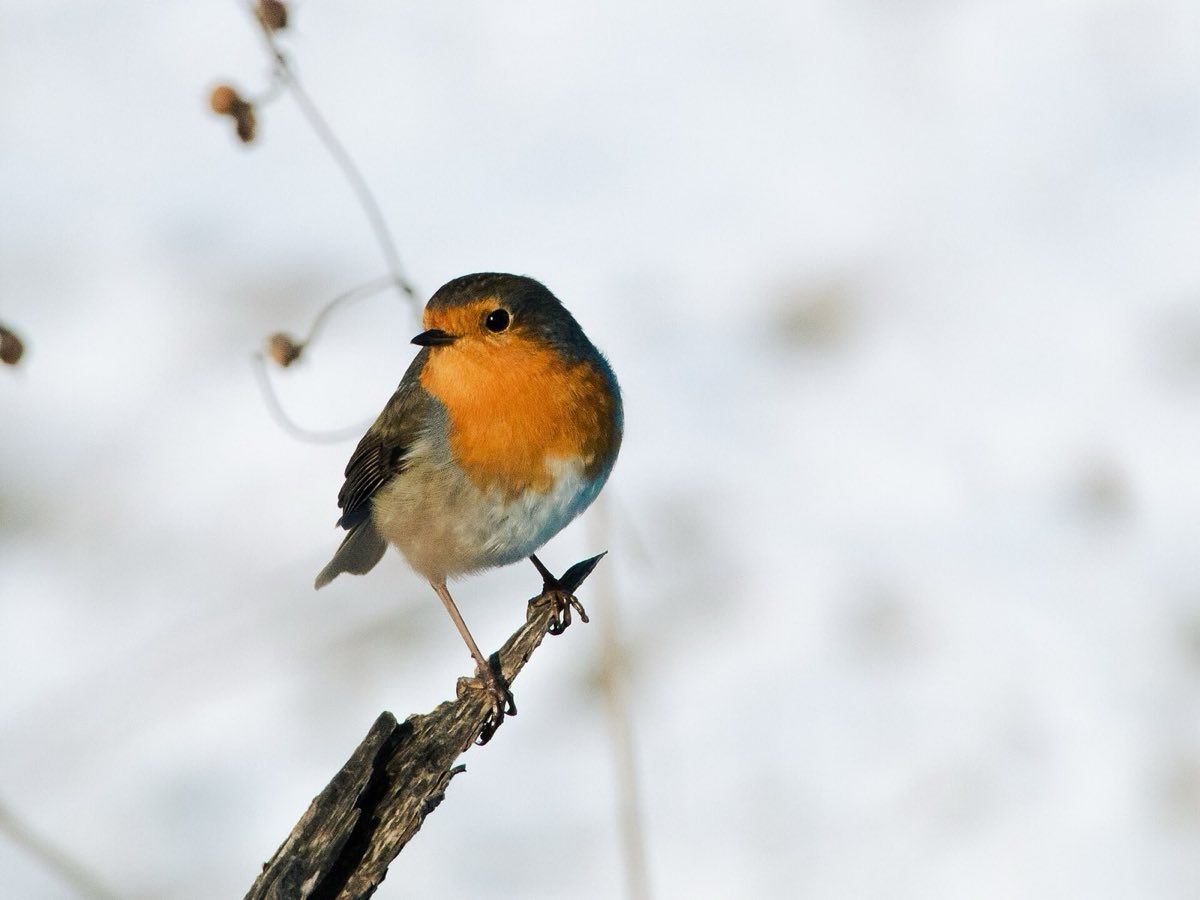
Fifteen centimetres of heavy wet snow overnight. The yew hedge at the front was bending out at the top, so I went along it with a broom, pushing upward and knocking the snow off before it froze. One branch of the small pine snapped anyway. The borders under snow look beautiful, with the seed heads of the stonecrops and the coneflowers all wearing white caps. A robin followed me along the hedge, waiting for anything the broom turned up. Underneath the snow, the soil in the borders was not even frozen when I pushed a finger in; it really does work like a blanket.

21 December: shortest day

Light at half past eight, dark before four. The feeder by the kitchen window has become the best entertainment in the house: blue tits, great tits, a pair of nuthatches who come in, take one seed each and leave, goldfinches on the nyjer, and the robin underneath picking up what everyone else drops. The water dish freezes every night, so it gets a kettle of warm water every morning. Indoors, the amaryllis has opened its first two red trumpets, the prepared hyacinths are in bud, and the paperwhites are scenting the hall.

End of December

Read the notebook back from January. The pattern is clearer written down than remembered. The wet corner killed tulips and a dahlia, so it changes use. Late frosts come every year in late April, so tender plants wait until the second half of May without exception. The plants that coped best with the dry July were the ones I was least careful with. And my best flowers came from plants raised from seed, from a neighbour's cuttings, and from a tree peony I had nearly given up on. The first snowdrops are showing white tips on the bank already.

A robin perched on a snowy branch
The robin that followed the broom along the hedge.