7 December
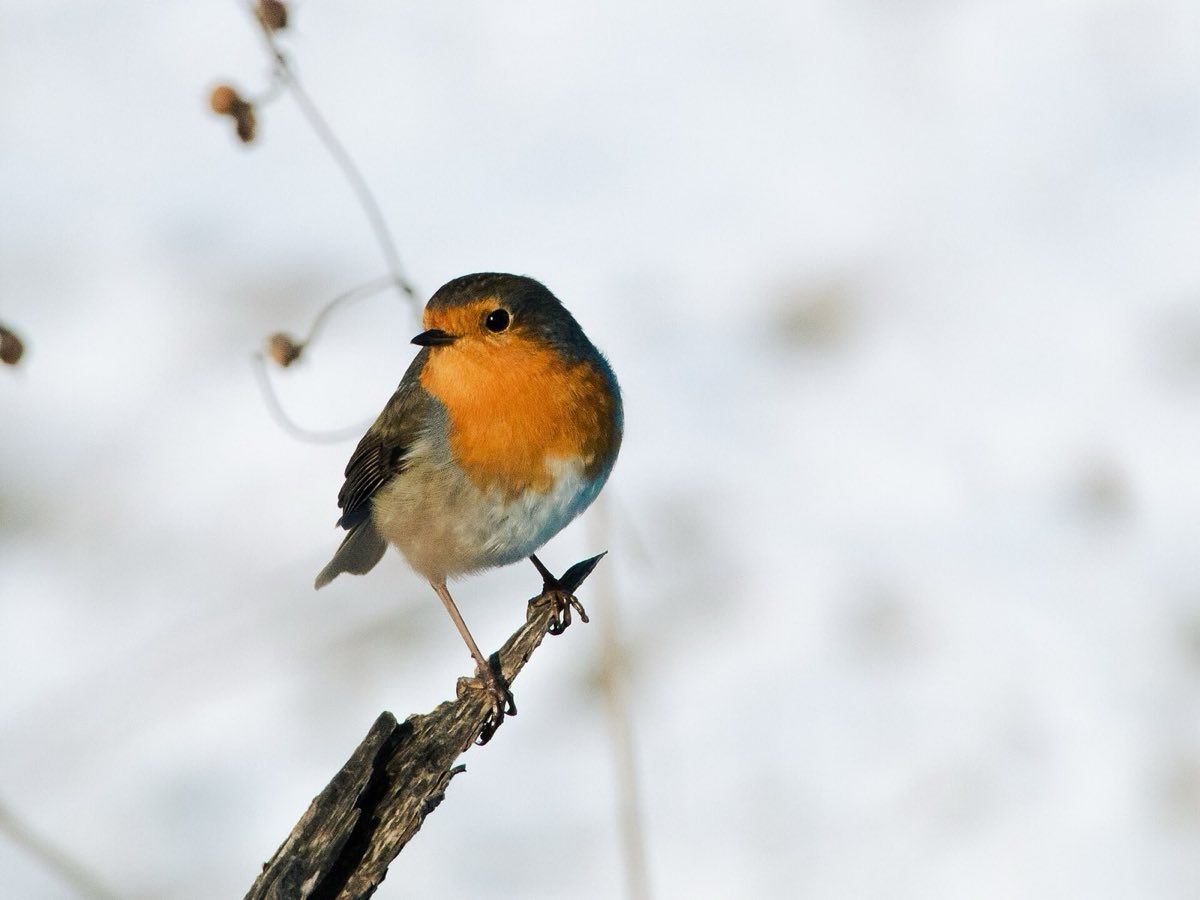
Fifteen centimetres of heavy wet snow overnight. The yew hedge at the front was bending out at the top, so I went along it with a broom, pushing upward and knocking the snow off before it froze. One branch of the small pine snapped anyway. The borders under snow look beautiful, with the seed heads of the stonecrops and the coneflowers all wearing white caps. A robin followed me along the hedge, waiting for anything the broom turned up. Underneath the snow, the soil in the borders was not even frozen when I pushed a finger in; it really does work like a blanket.
21 December: shortest day
Light at half past eight, dark before four. The feeder by the kitchen window has become the best entertainment in the house: blue tits, great tits, a pair of nuthatches who come in, take one seed each and leave, goldfinches on the nyjer, and the robin underneath picking up what everyone else drops. The water dish freezes every night, so it gets a kettle of warm water every morning. Indoors, the amaryllis has opened its first two red trumpets, the prepared hyacinths are in bud, and the paperwhites are scenting the hall.
End of December
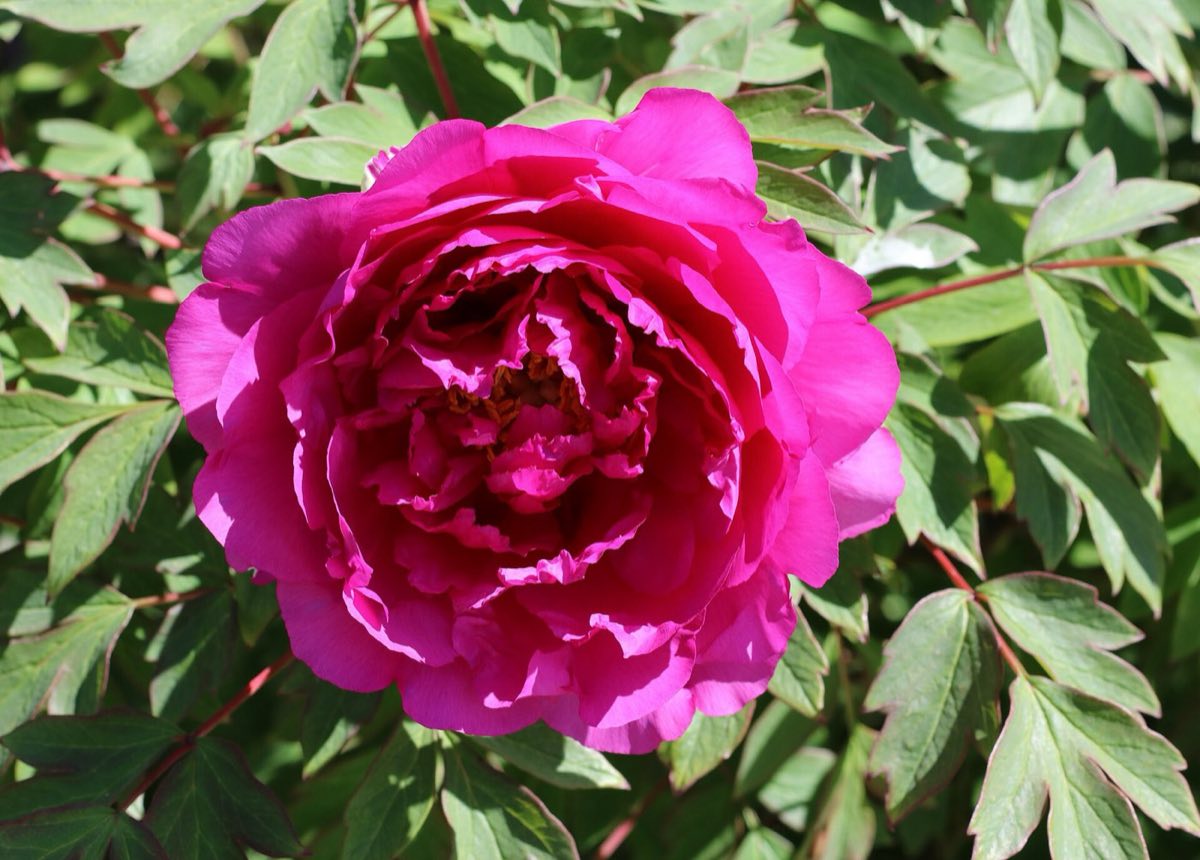
Read the notebook back from January. The pattern is clearer written down than remembered. The wet corner killed tulips and a dahlia, so it changes use. Late frosts come every year in late April, so tender plants wait until the second half of May without exception. The plants that coped best with the dry July were the ones I was least careful with. And my best flowers came from plants raised from seed, from a neighbour's cuttings, and from a tree peony I had nearly given up on. The first snowdrops are showing white tips on the bank already.
 Mayday Flowers