 Mayday Flowers
About This Notebook
Mayday Flowers is a personal garden notebook, written by one amateur gardener about one ordinary garden with cold winters and a short, busy summer. It collects what has worked, what has failed, and what took years to understand, in the hope that it saves someone else a few of those years.
Why it exists
Most gardening advice is written for a climate that is kinder than mine. Books say to plant out in early May, and in my garden that is a reliable way to lose a tray of dahlias. They say a plant is hardy, and it is, somewhere with mild wet winters, but not here where the ground freezes hard for weeks. For years I kept adjusting what I read, crossing out dates and writing my own in the margins, until the margins became more useful than the books.
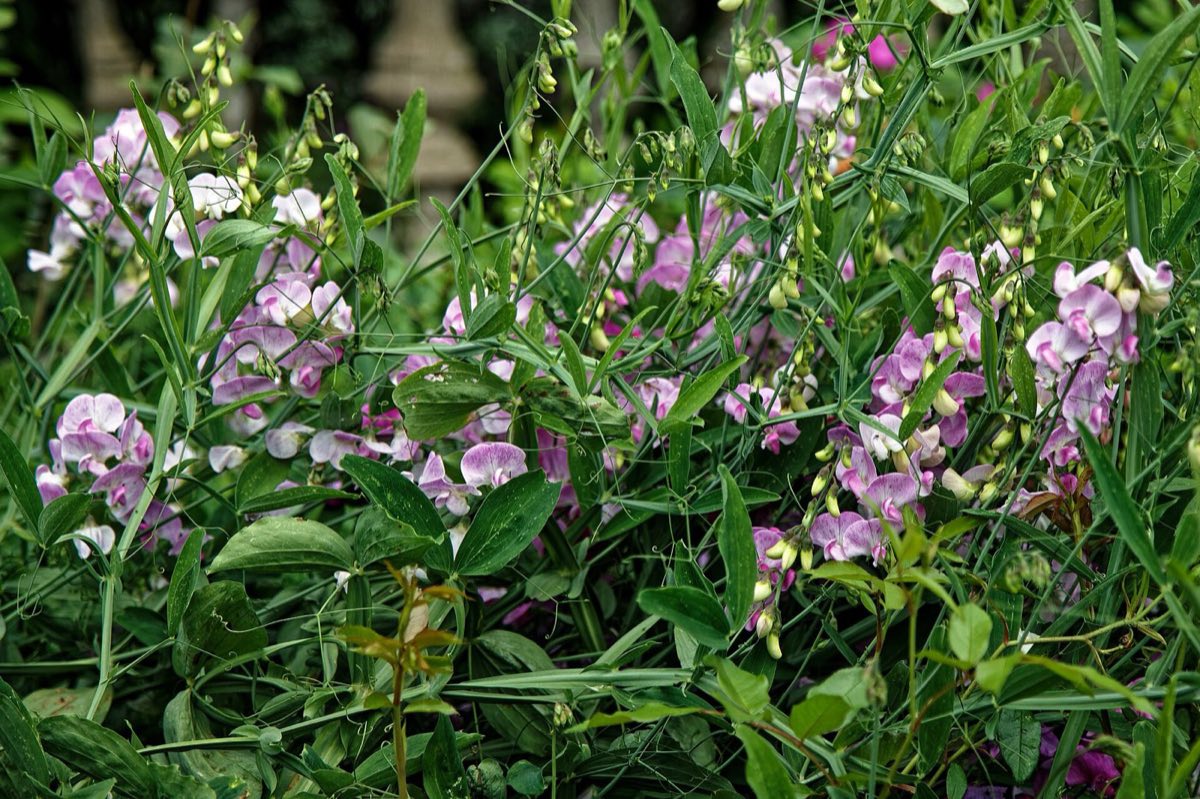
This notebook is those margins, gathered up and made readable. It began as a habit of jotting dates in a paper diary: when the first snowdrop opened, when the frost came, when the sweet peas were sown and when they flowered. After a few years the diary started to answer questions that no book could, because it was about this soil, this weather and these mistakes. Writing it up properly was the next step, partly for my own reference and partly because friends and neighbours kept asking the same questions over the fence.
There is also a simpler reason. Gardening is a slow craft, learned by repetition over many seasons, and it is easy to forget what you knew. Writing things down carefully, with the reasons as well as the instructions, is a way of keeping that knowledge from evaporating every winter.
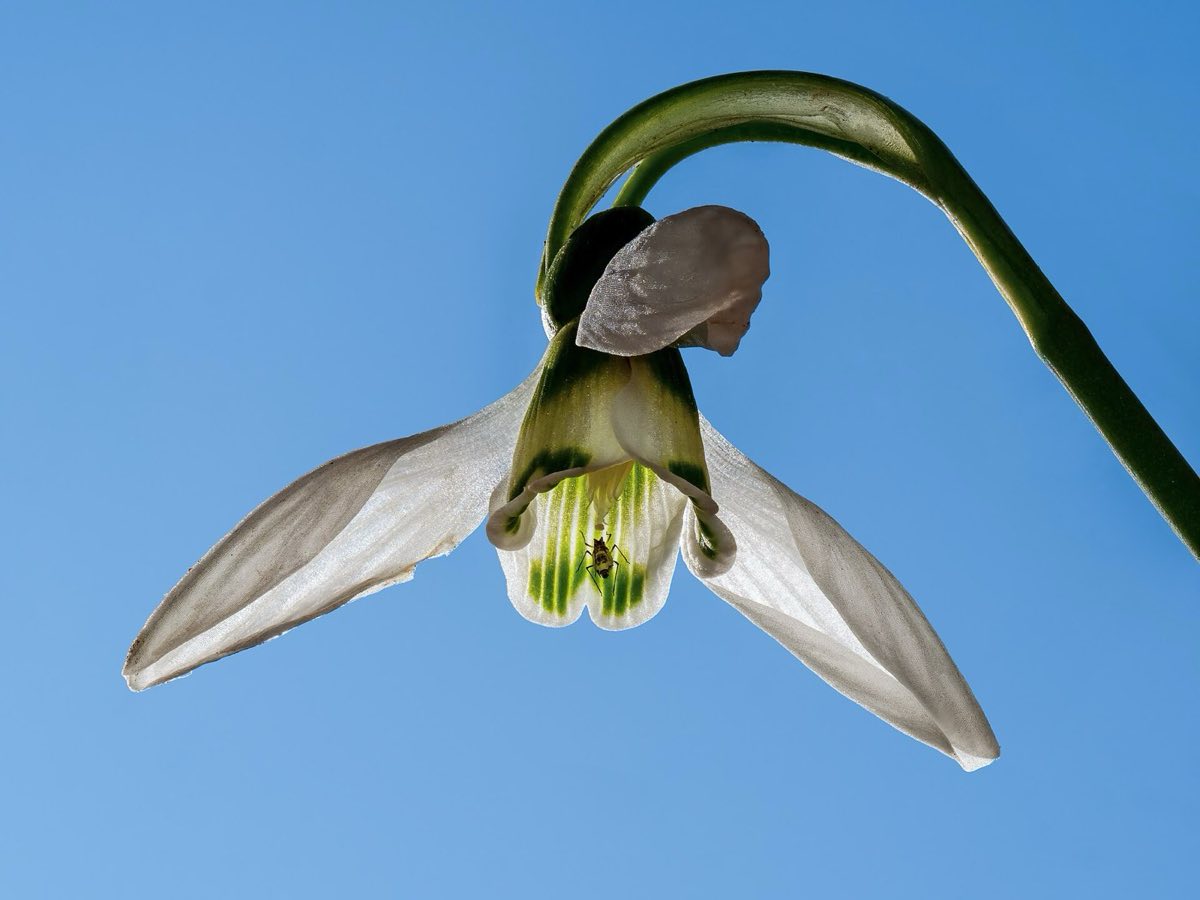
The first page of the first notebook says only: "Snowdrops by hedge, 2 Feb. Frost every night. Too early for anything." It took me five more years to realise that the second half of that sentence was the most useful thing I had written.
The garden
The garden is about 700 square metres behind a house, roughly 25 metres wide and 30 deep, plus a narrow strip at the front. It is not a show garden and it is not large. It is the sort of plot that many people have, which is exactly why the experience in it may be useful.
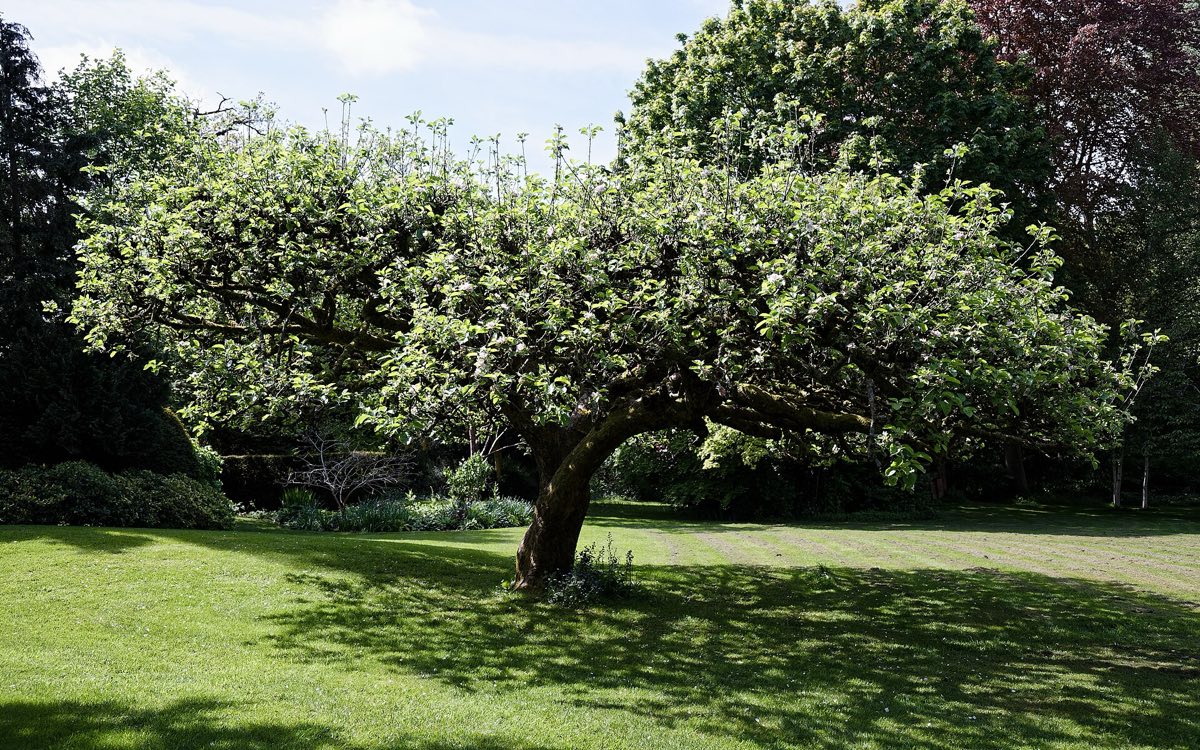
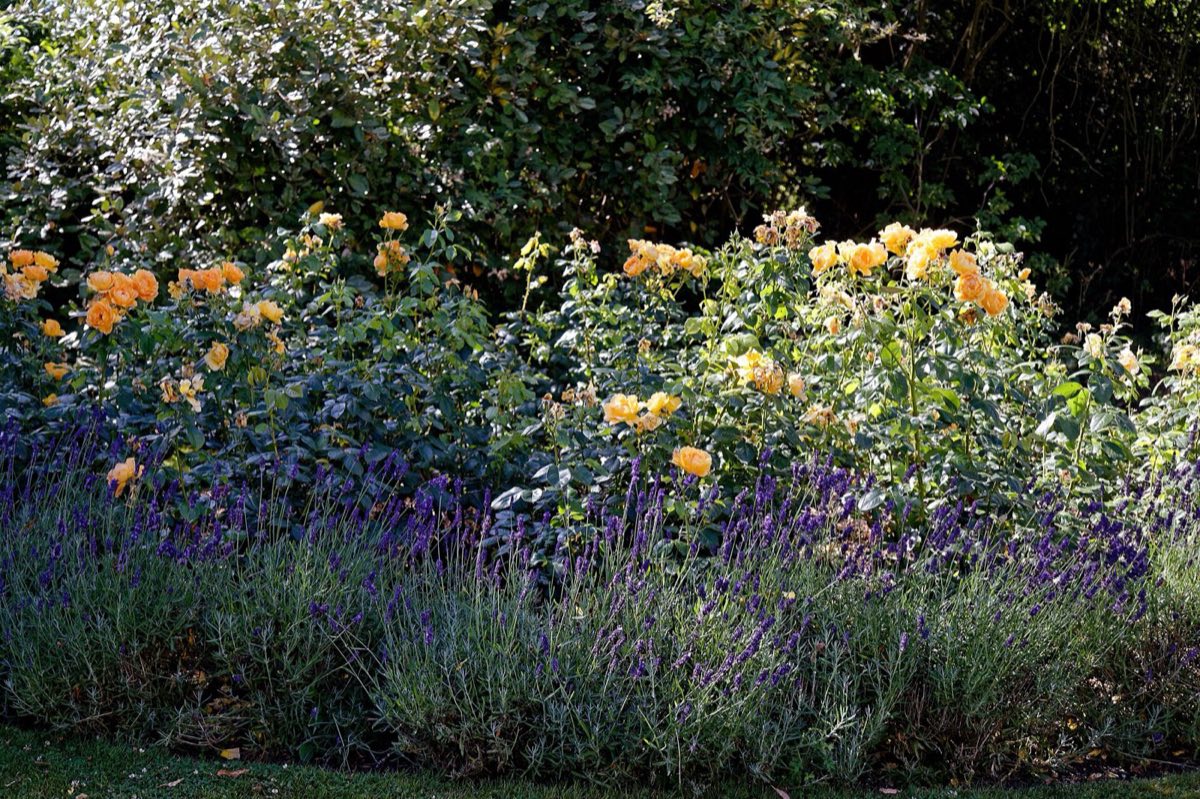
At the top, near the house, is a paved terrace with pots and a lavender hedge along the path. Two long mixed borders run down either side of a lawn, with shrubs at the back and perennials, bulbs and annuals in front. Halfway down stands an old apple tree, older than the house, with daffodils and crocuses in the grass beneath it. Beyond that are three raised beds used for cut flowers, tulips and the occasional experiment, then a small unheated greenhouse, a cold frame, two compost bays and a wire bin for leaves. The bottom corner, where the ground dips, stays wet for much of the year and has taught more lessons than any other part of the garden.
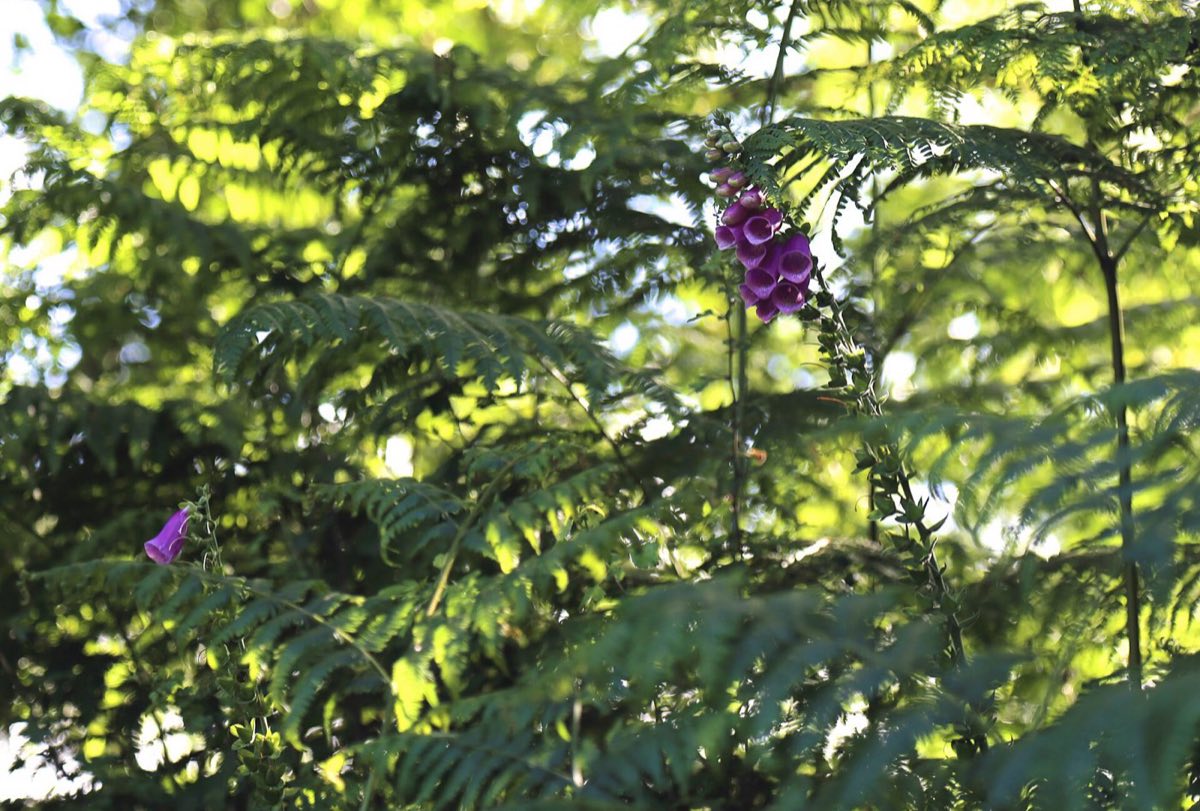
The front garden faces the other way, into shade for most of the day, and it is where the ferns, hellebores, snowdrops and foxgloves live. A clipped yew hedge separates it from the street and gives the garden its winter structure.
I have gardened here for a little over ten years. When I arrived, the borders were mostly couch grass and a few tired shrubs, the lawn was moss and the soil had not seen compost in a long time. Almost everything you will read about on this site was planted, moved, divided, lost and replanted in that time.
Help comes mostly from the cellar under the house, which stays cool and frost-free all winter and is where the dahlia tubers spend the cold months, and from a neighbour over the fence who swaps cuttings, seeds and opinions in roughly equal measure.
Soil, aspect and climate
Soil
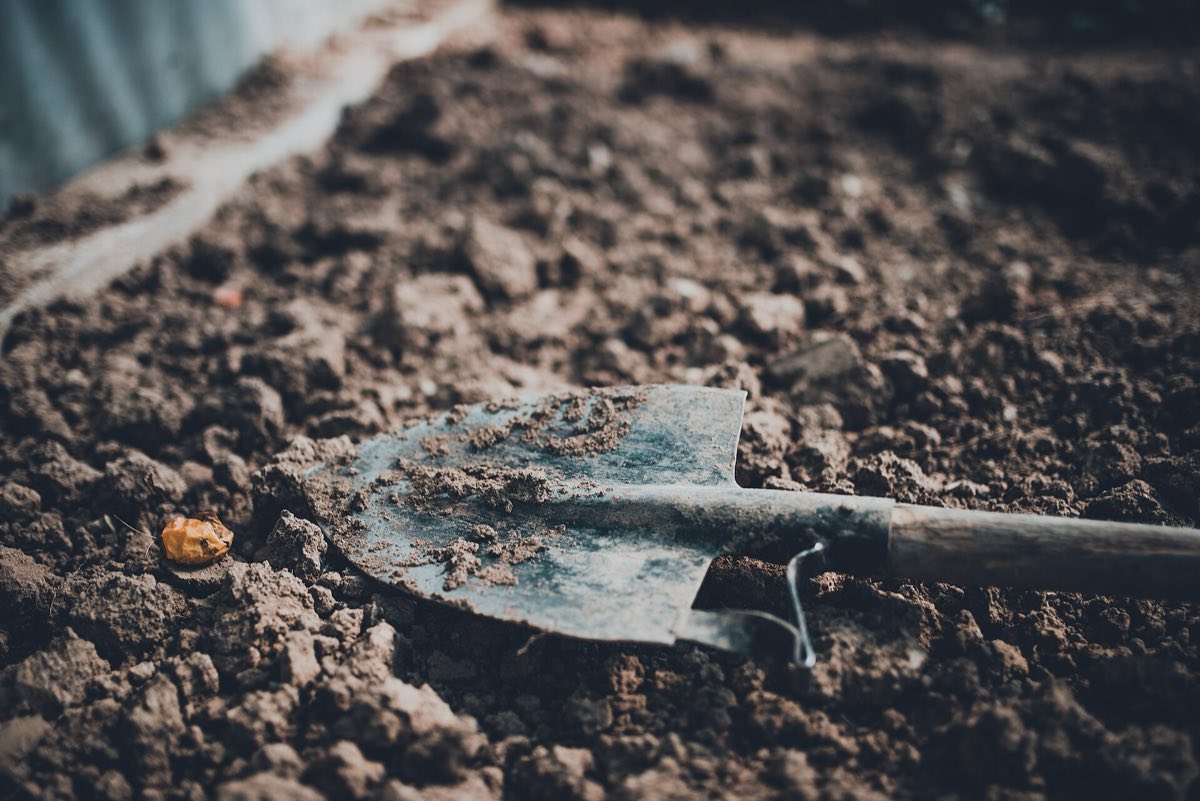
The soil is a medium loam over clay, roughly neutral to slightly alkaline. In the upper part of the garden there is a good spade's depth of dark, crumbly topsoil, the result of ten years of compost and leaf mould. Further down the clay comes closer to the surface, and in the low corner it holds water after every heavy rain. A simple test kit gives a reading of around 7 in most places, which suits the majority of garden flowers but rules out the true lime-haters unless they are grown in pots.
Clay soil is hard work when wet and sets like brick when dry, but it is fertile and holds water through dry spells far better than sand. The single most important thing I have done to it is add organic matter every year as a surface mulch, letting worms take it down rather than digging it in. The soil and compost page describes this in detail.
Aspect
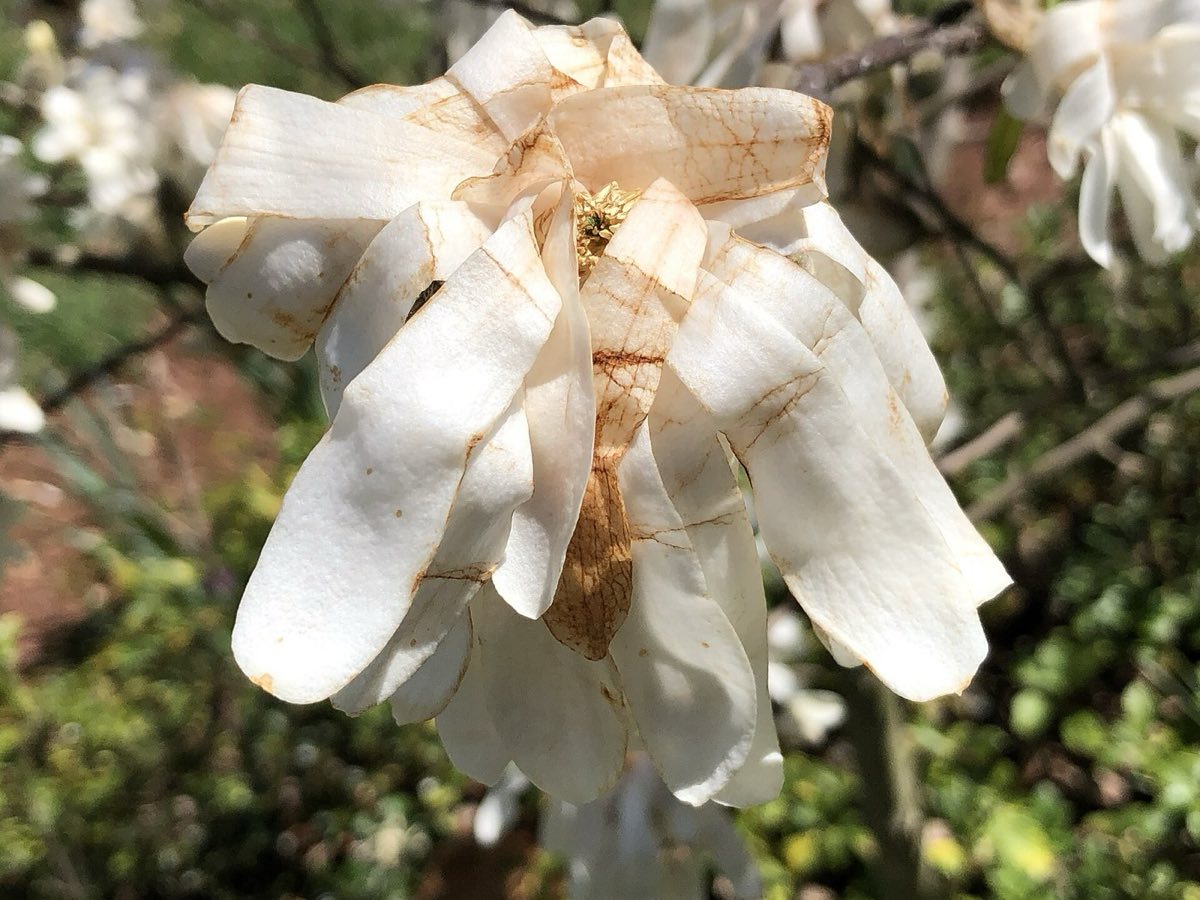
The back garden faces roughly south-east and slopes very gently down in that direction. It gets sun from early morning until mid afternoon in summer, after which the house and a neighbour's trees shade the top end. That morning sun is a mixed blessing: it dries the dew quickly and keeps mildew down, but on frosty spring mornings it thaws frozen flowers too fast, which is why early magnolias and camellias are a gamble here.
Climate
The climate is temperate with cold winters and warm summers. The first frost usually comes in the second half of October and the last one at some point in April, with a frost in early May not unusual. Most winters bring at least one spell down to around minus 15 °C, and occasionally colder. Snow is common from December to March but rarely lies for very long at a time. In the American hardiness zone system, which many plant labels use, the garden sits roughly in zone 5 to 6.
Summers are warm, with most days in the twenties and occasional heat above 30 °C. Rainfall is moderate, roughly 600 mm a year, spread fairly evenly, but with a tendency to dry spells of three or four weeks in July and August. That combination of hard winters and dry summers shapes almost every piece of advice on this site.
How the notes were kept
Nothing sophisticated. The core of it is a plain notebook with a cardboard cover, kept on a shelf by the back door, one page per week. Each entry has a date and a few lines: weather, temperatures from a minimum and maximum thermometer on the shed wall, what was sown or planted, what came into flower, anything unusual. In busy weeks it is two words. In winter it can be two pages.
Alongside the notebook there are three other records:
- A plan of the garden on squared paper, redrawn every two or three years, with bulbs marked in pencil so they can be found again in summer.
- A sowing sheet for each year, a simple table of what was sown, the date, the germination date, and a note on how the plants did.
- Photographs, many of them taken from the same spots each month, including from an upstairs window, which shows the shape of the garden far better than standing in it.
When writing the guides, I went back through these records to check dates and outcomes rather than rely on memory. Where my experience is limited, for example with plants I have grown for only one or two seasons, the text says so. Where advice comes from general horticultural practice rather than from my own trials, it is written as such and kept to what is widely accepted.
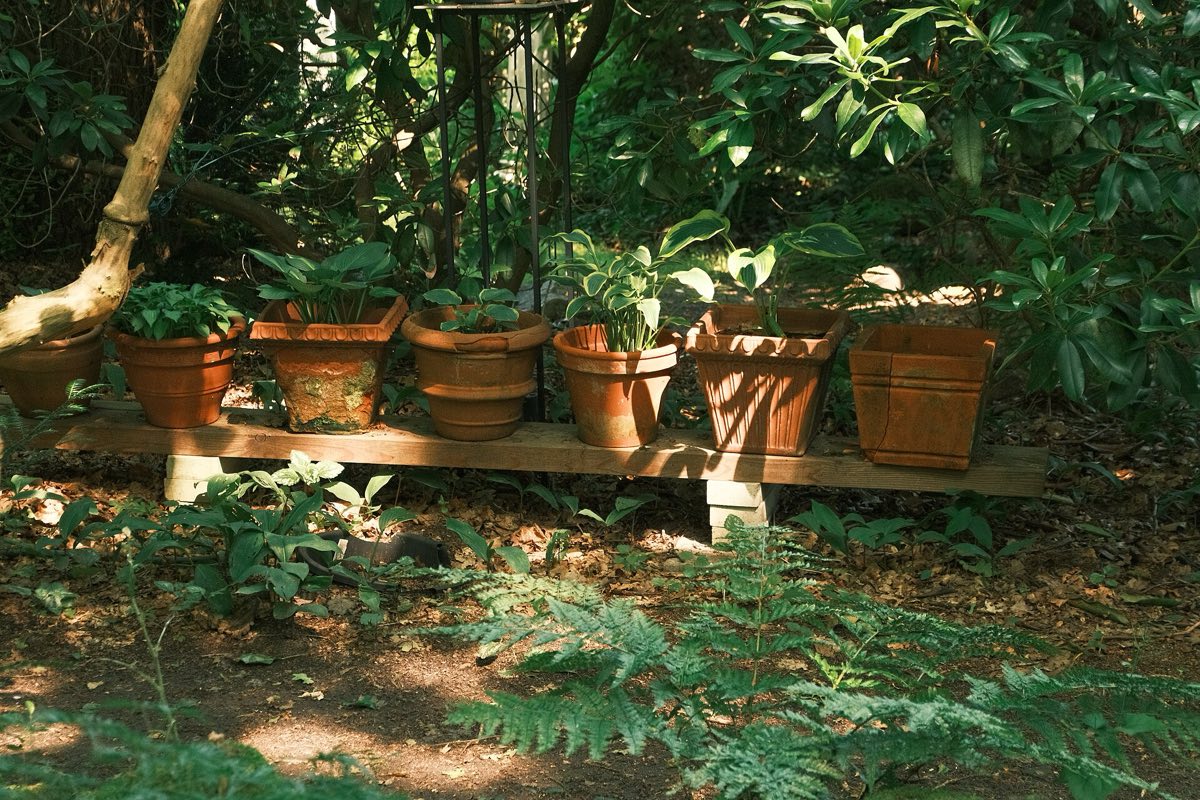
The journal is a lightly edited version of one year of the notebook. It is not the most dramatic year, which is rather the point: it shows an ordinary year in an ordinary garden, with a late frost, a dry July, a few failures and a few things that went better than expected.
Labels deserve a word of their own. Most of the lost knowledge in my early years came from missing or faded labels. Pencil on plastic lasts a season or two; a soft pencil on an aluminium label or a wooden one dipped in paint lasts much longer. Writing the name on the back of a label as well as the front helps when the sun bleaches the side you can see.
What this site is not
It is worth being clear about this, because so much gardening content online is something else in disguise.
- It is not a shop. Nothing is for sale here, and nothing links to anywhere that sells things.
- There are no adverts and no sponsorship. No company has paid for a mention, sent free plants or tools, or seen any page before it was published.
- There are no affiliate links, newsletters or sign-ups. There is nothing to subscribe to and no data collected about readers.
- It is not a professional service. I am an amateur gardener with a good deal of experience in one garden, not a trained horticulturist, a nursery owner or a garden designer.
- It is not a complete reference. The guides cover the plants and techniques I know well. They leave out a great deal, and they lean toward the conditions of a cold-winter garden.
Plant varieties are described by type rather than by trade name wherever possible, partly because named cultivars come and go, and partly to avoid any suggestion of promotion. When a specific kind matters, for example a double rather than a single peony or a branching rather than a single-headed sunflower, the description should be enough to find one at any decent nursery.
How to use the guides
The site is organised in three overlapping ways, and you can start from whichever suits the question in front of you.
- By season. The spring, summer, autumn and winter pages describe what is happening in the garden, what is in flower and the main jobs. They are the place to start if you want to know what to do now.
- By month. The calendar breaks the year into twelve short sections with what to sow, plant and do. It is meant to be quick to scan, with the reasons explained in the seasonal and plant pages.
- By plant or topic. The deeper guides cover roses, peonies, bulbs, dahlias, the cut flower garden, soil and compost, seeds and propagation, and pests and diseases.
Adjusting for your own garden
All the dates here are tied to my frost dates. The easiest way to adapt them is to find your own average last spring frost and first autumn frost, from local records or simply from a few years of your own notes, and shift the timings accordingly. If your last frost is two weeks earlier than mine, most spring jobs can move two weeks earlier too. Autumn jobs work the other way.
Soil matters almost as much as climate. On light sandy soil, plants dry out faster in summer but drain better in winter, so some borderline perennials that rot in my clay will survive with you, while moisture lovers will struggle. On heavy clay, drainage is the issue and organic matter the cure.
Plant names and units
Common and botanical names
Plants are usually given their common English name first, with the botanical (Latin) name in italics at the first mention or in the plant profiles. Common names are friendlier but unreliable: "bluebell" means different plants in different places, and some plants have five common names while others have none. The botanical name is the one to use when buying or looking something up.
A botanical name has two parts: the genus, written with a capital letter (Paeonia), and the species, in lower case (lactiflora). A multiplication sign, as in Helleborus × hybridus, marks a hybrid. Plant names change from time to time as botanists revise their classification, so the old border sedums are now Hylotelephium and some asters have moved to Symphyotrichum. Where the old name is still widely used in gardens, I mention both.
Units
All measurements are metric. Heights and spacings are in centimetres or metres, planting depths in centimetres, and temperatures in degrees Celsius. Heights given in plant profiles are typical mature heights in average soil; plants grow taller in rich soil and shade and shorter in poor soil and full sun. Flowering times refer to this garden and will shift a week or two either way in yours.
Where a depth is described as "three times the depth of the bulb", it means the distance from the base of the bulb to the soil surface is three times the height of the bulb itself. A bulb 5 cm tall goes in with its base about 15 cm down.
Glossary
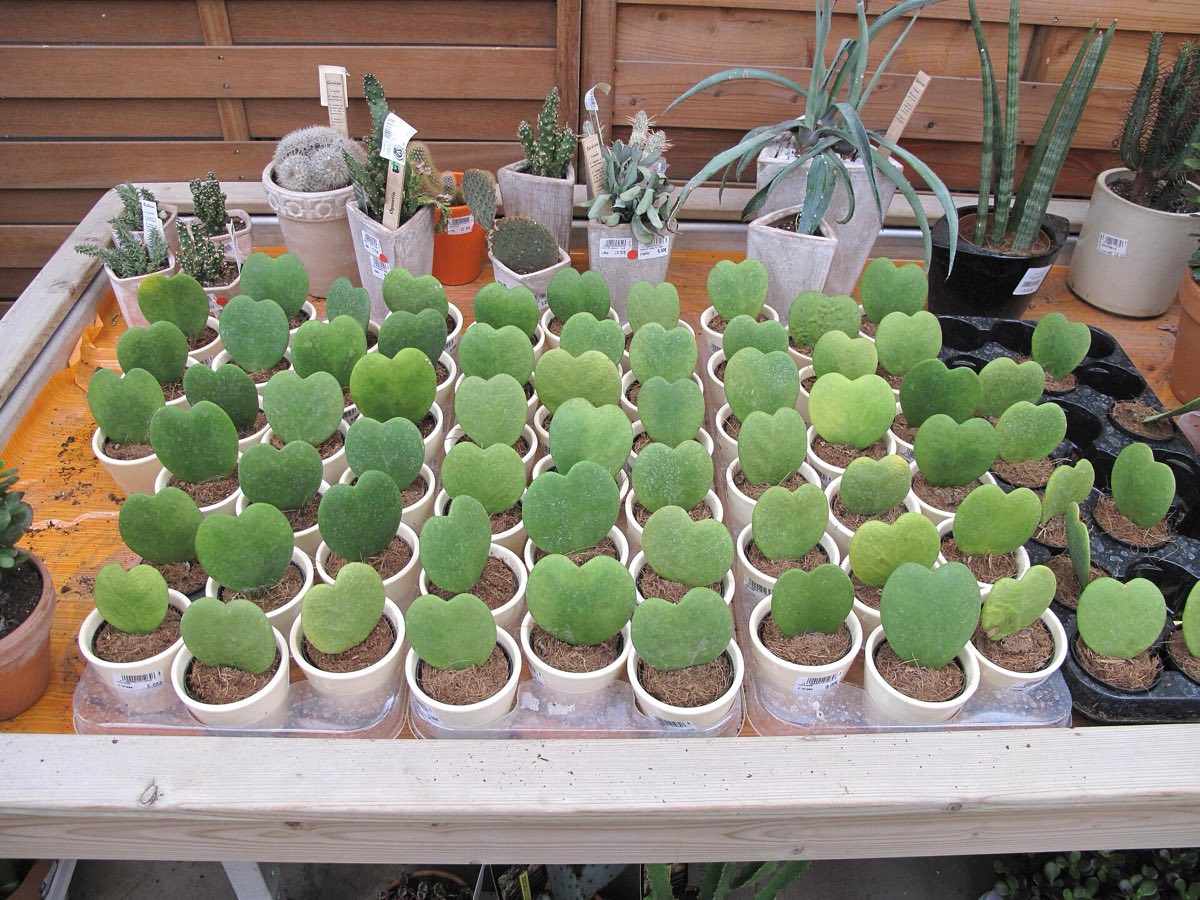
A short list of the gardening terms used across the site. Most are common enough, but some mean slightly different things to different people, so these are the meanings intended here.
- Annual
- A plant that grows from seed, flowers, sets seed and dies within one year.
- Biennial
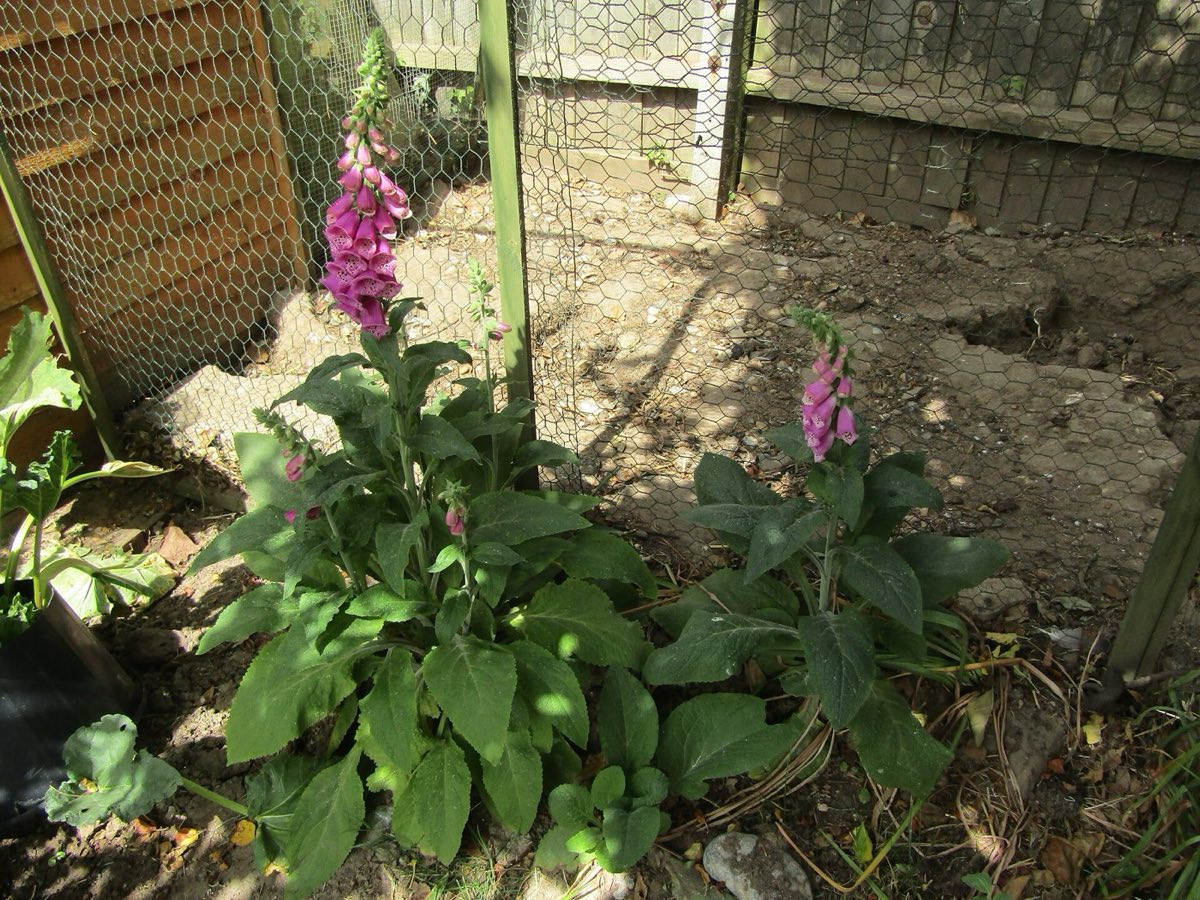
- A plant that makes leaves in its first year and flowers in its second, then usually dies. Foxgloves and wallflowers are examples.
- Perennial
- A plant that lives for three years or more. In gardens, the word usually means a herbaceous perennial, which dies down in winter and regrows from the base in spring.
- Hardy
- Able to survive the winter outdoors in a given climate without protection. Always relative to where you garden.
- Half-hardy
- Able to grow outdoors in summer but killed by frost. Half-hardy annuals are sown under cover and planted out after the last frost.
- Tender
- Damaged or killed by frost, sometimes by cold above freezing. Dahlias, cannas and pelargoniums are tender.
- Bare-root
- A plant sold while dormant, dug from the field without soil or a pot. Roses, hedging and fruit trees are often sold this way in winter.
- Bulb
- An underground storage organ made of fleshy scales around a bud, such as a tulip or daffodil. Often used loosely for corms, tubers and rhizomes too.
- Corm
- A swollen stem base that stores food, replaced by a new one each year. Crocuses and gladioli grow from corms.
- Tuber
- A swollen underground stem or root used for storage. Dahlias form root tubers; winter aconites grow from small stem tubers.
- Rhizome
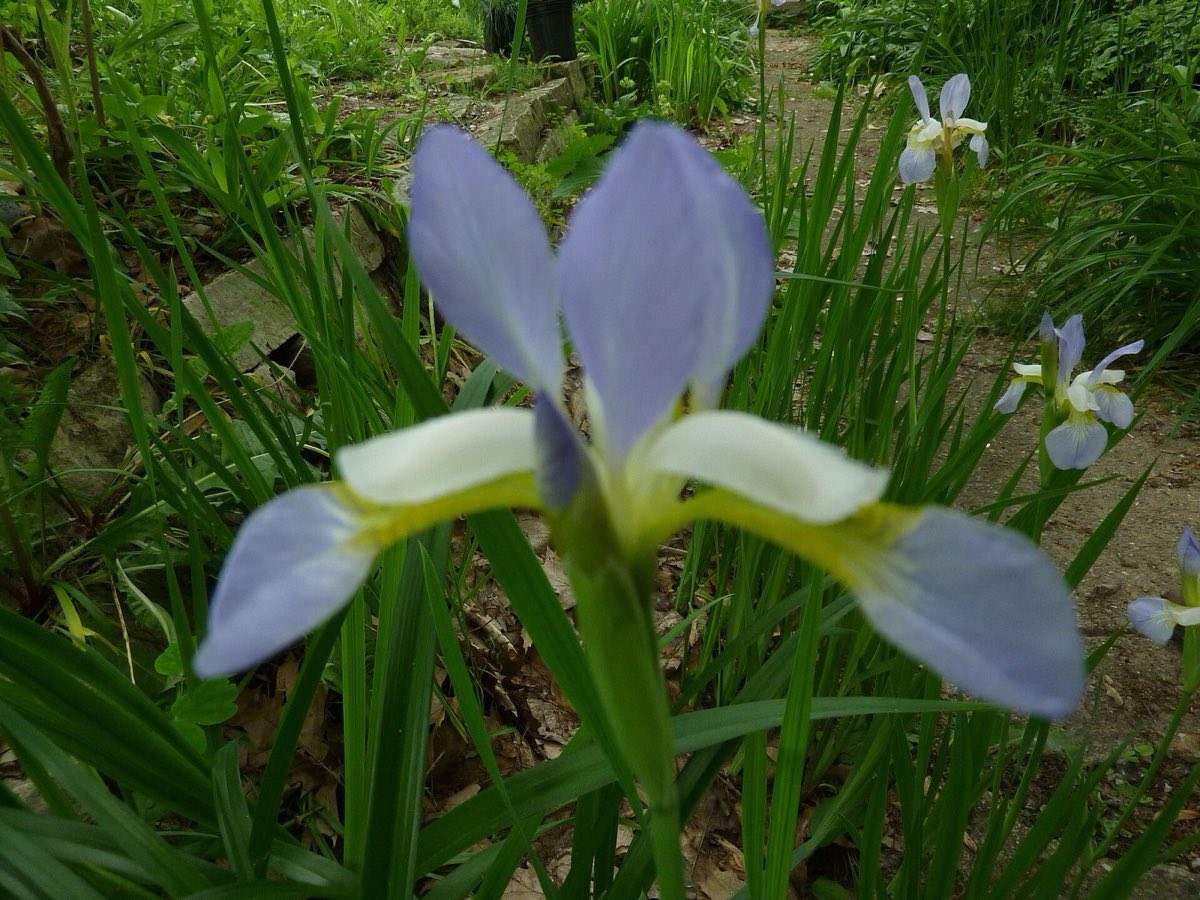
- A horizontal underground or surface stem that spreads and stores food, as in bearded irises.
- Crown
- The point at the base of a plant where stems meet roots, from which new shoots grow.
- Deadheading
- Removing faded flowers to stop seed forming and encourage more flowers, or simply to keep a plant tidy.
- Disbudding
- Removing side buds so that the plant puts its energy into a single, larger flower on a longer stem.
- Pinching out
- Nipping off the growing tip of a young plant with finger and thumb so it branches and becomes bushier.
- Hardening off
- Gradually accustoming plants raised indoors to outdoor conditions over one to two weeks before planting out.
- Cold frame
- A low, unheated box with a glass or clear plastic lid, used to protect young plants and harden them off.
- Mulch
- A layer of material spread on the soil surface to retain moisture, suppress weeds, protect roots or improve the soil.
- Leaf mould
- Fallen leaves left to decompose slowly, usually for one to two years, into a dark, crumbly soil improver.
- Loam
- Soil with a balanced mix of sand, silt and clay, easy to work and good at holding both water and air.
- Humus
- The dark, stable organic matter left when plant and animal material has fully decomposed in the soil.
- Division
- Splitting a clump of a perennial into several pieces, each with roots and shoots, to make new plants or rejuvenate an old one.
- Cutting
- A piece of stem, root or leaf taken from a plant and encouraged to grow roots and form a new plant.
- Self-seeding
- When a plant drops seed that germinates around it without help from the gardener.
- In the green
- Lifting, dividing or planting bulbs just after flowering while their leaves are still growing. Used mainly for snowdrops and winter aconites.
- Forcing
- Bringing a plant into flower earlier than its natural season, usually by giving it a cold period and then warmth indoors.
- Stratification
- Exposing seeds to a period of cold and moisture, naturally or in a fridge, to break dormancy before they will germinate.
- Graft union
- The point where a cultivated variety has been joined onto a rootstock, visible as a knobbly swelling near the base of roses and some shrubs.
- Sucker
- A shoot growing from the rootstock below a graft, or from the roots, which should be removed at its point of origin.
- Frost heave
- The lifting of soil and young plants by repeated freezing and thawing, which can leave roots exposed.
- Wind rock
- Movement of a tall plant by wind that loosens its roots and creates a hollow around the stem base.
- Chelsea chop
- Cutting back some late-flowering perennials by a third to a half in late May, to make them shorter, sturdier and later to flower.
Photo credits
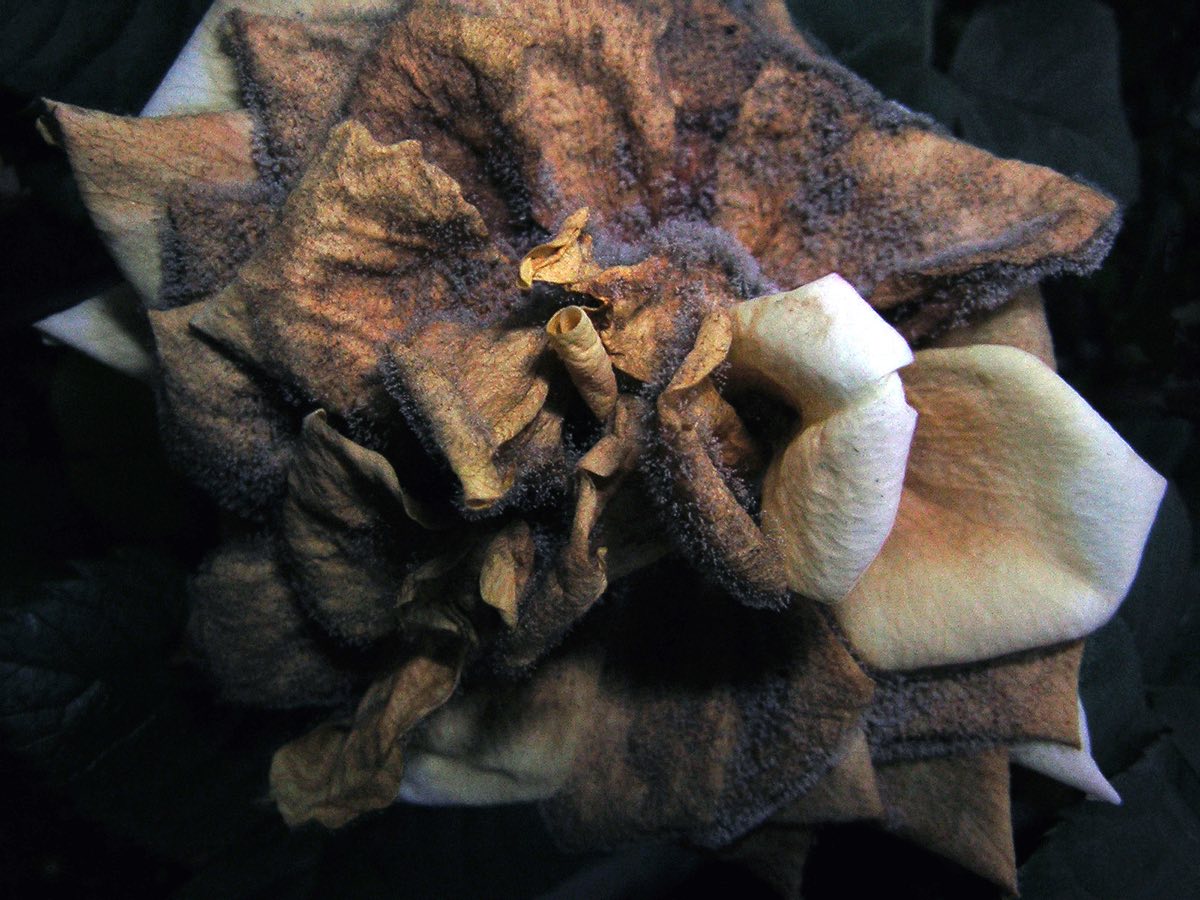
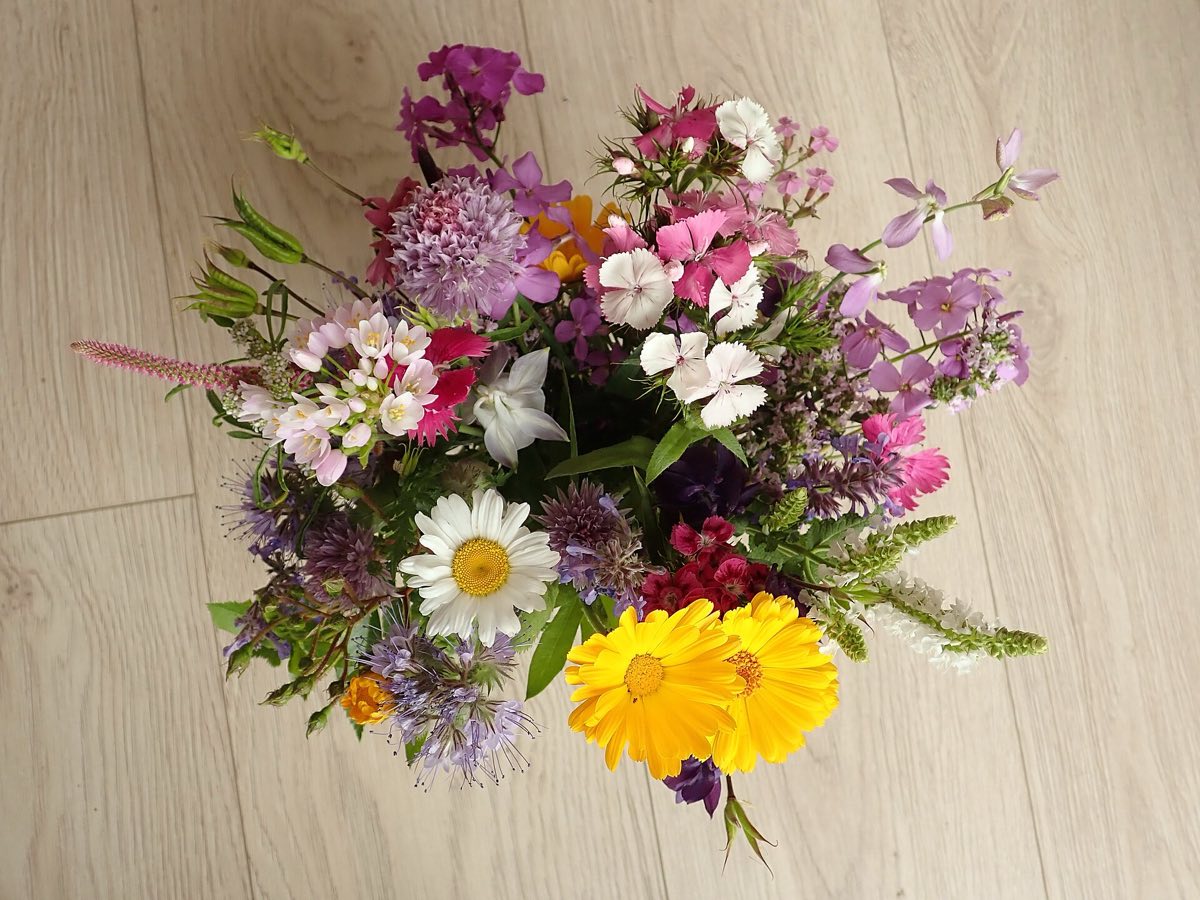
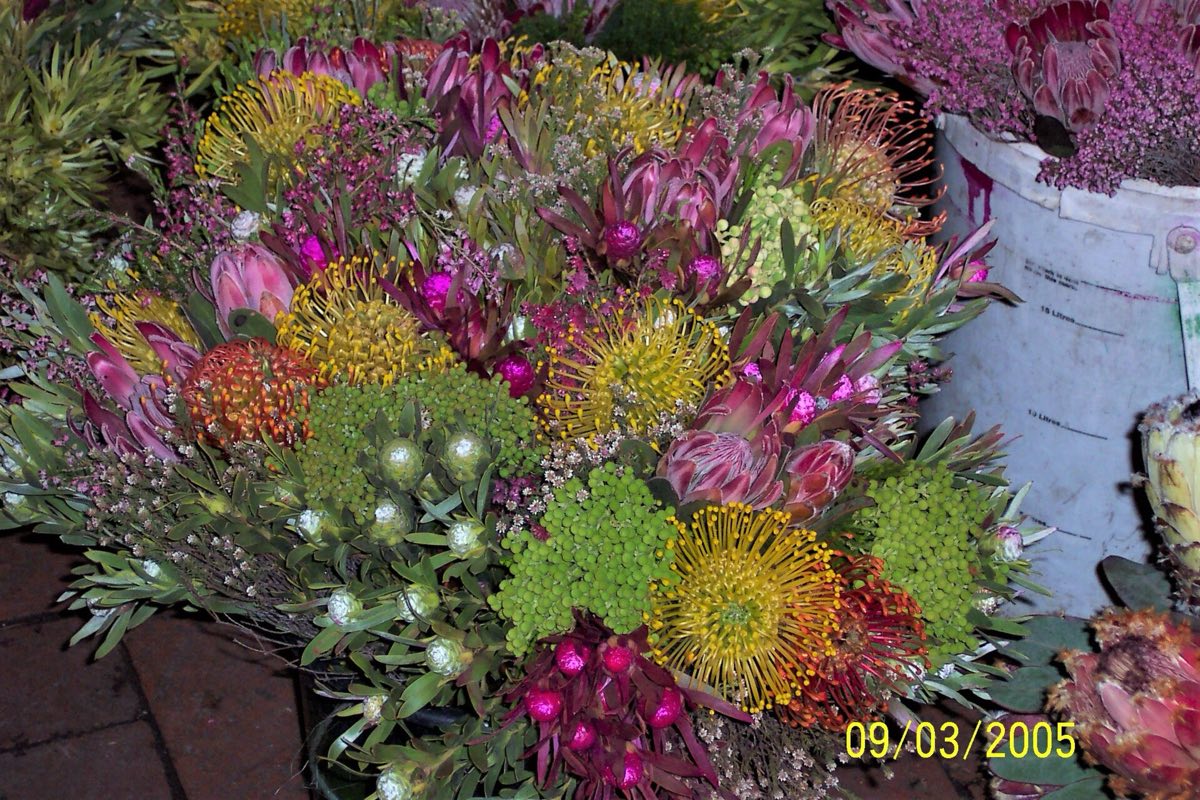
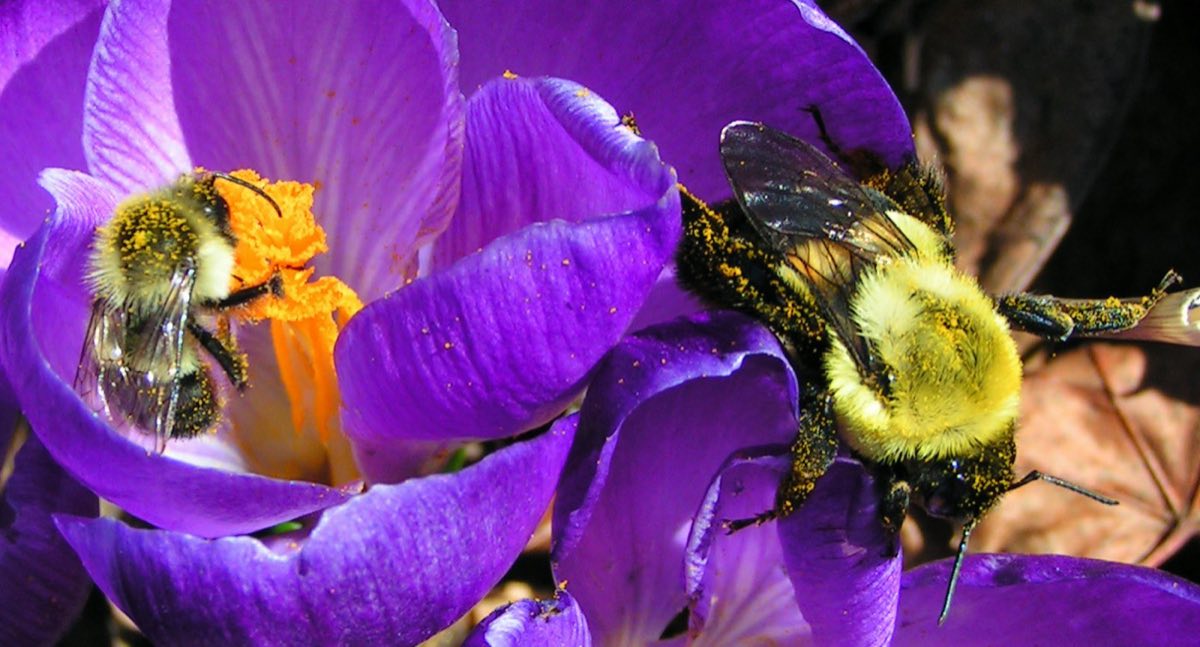
All photographs on this site come from Wikimedia Commons and are used under free licences; the full list of files, authors and licences follows below.
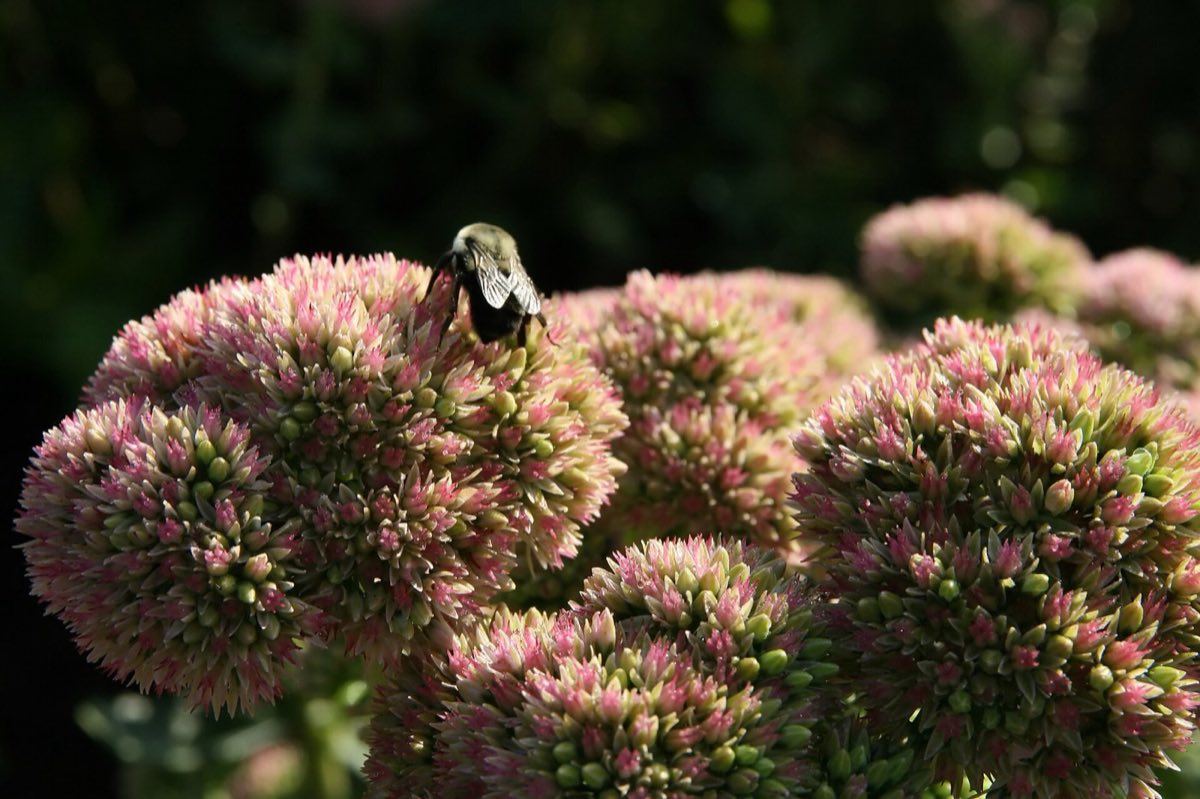
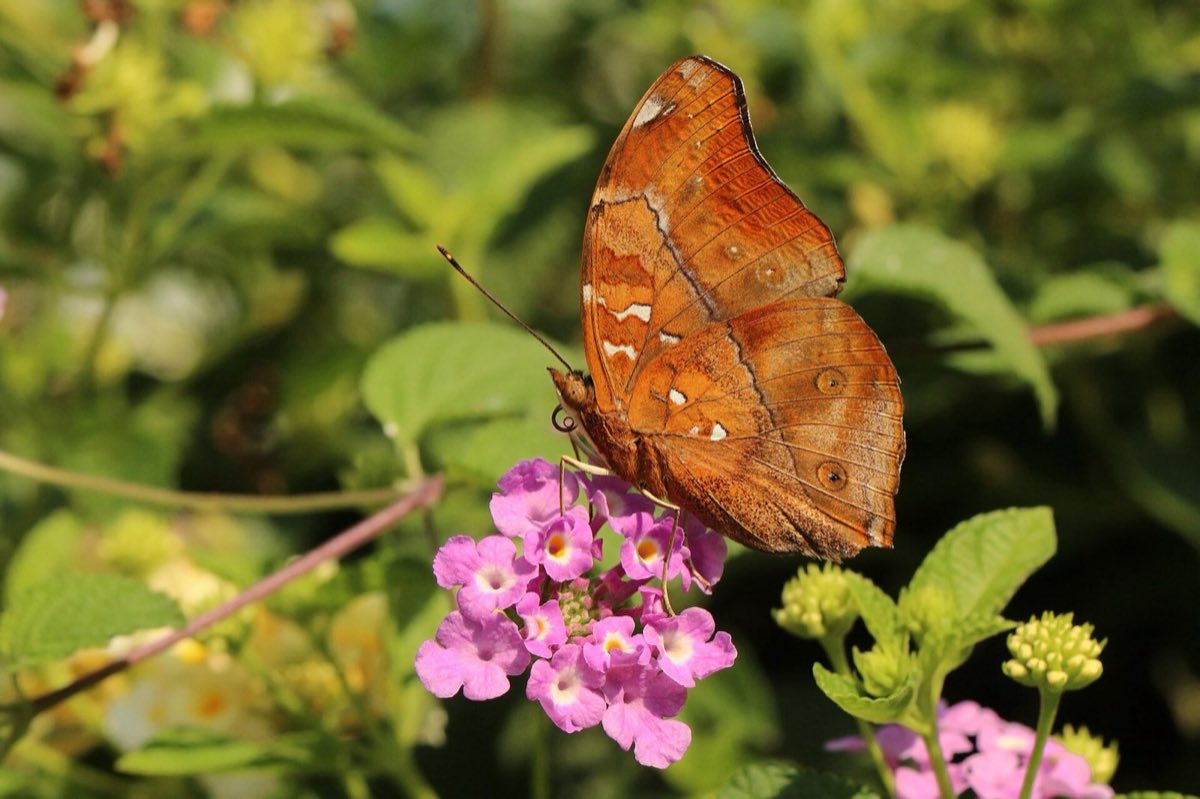
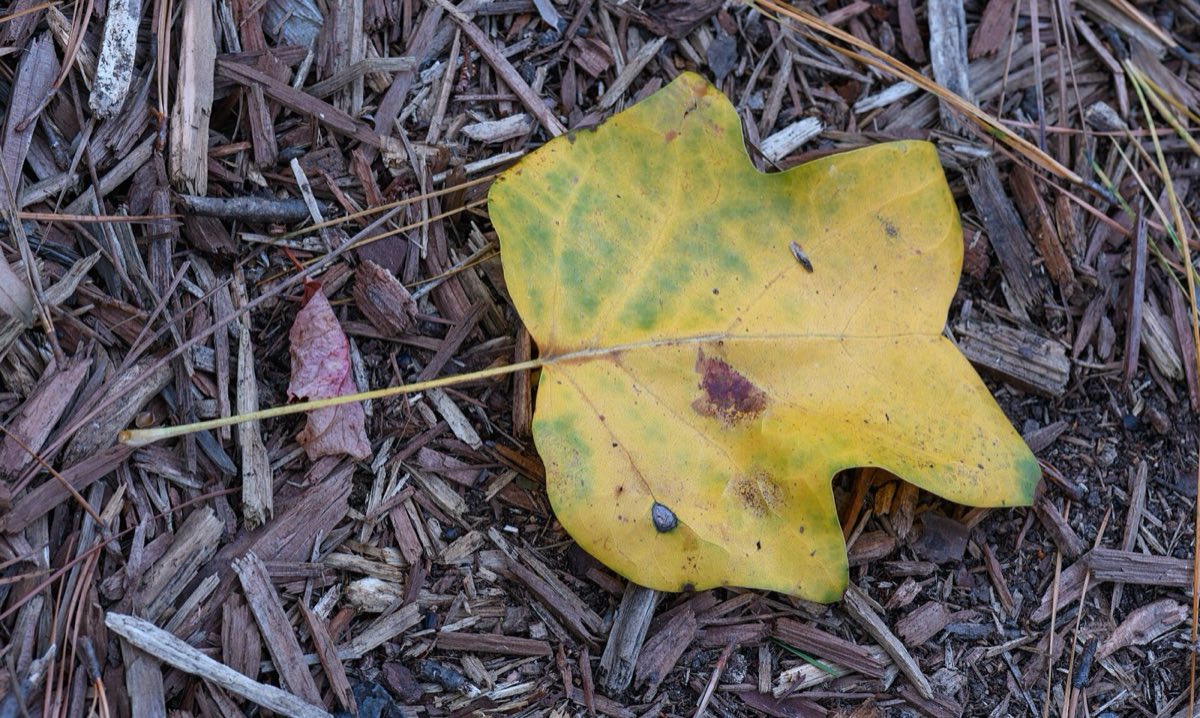
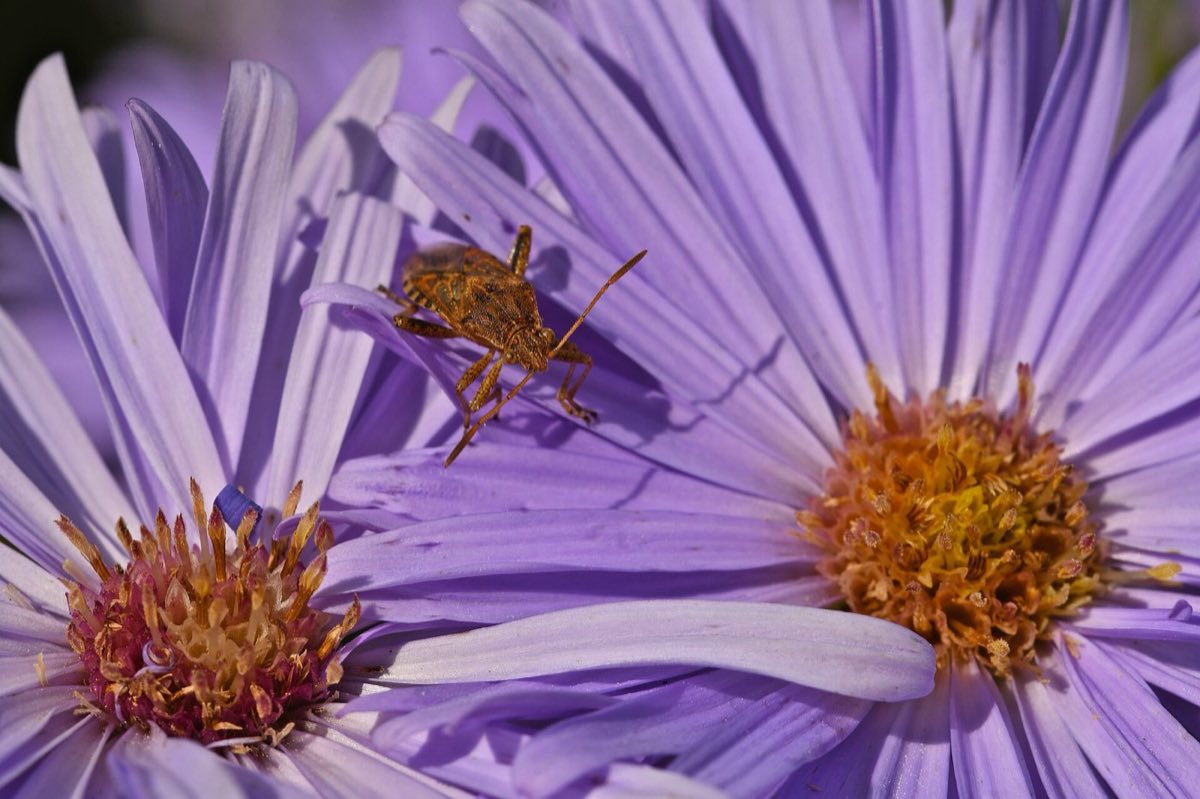
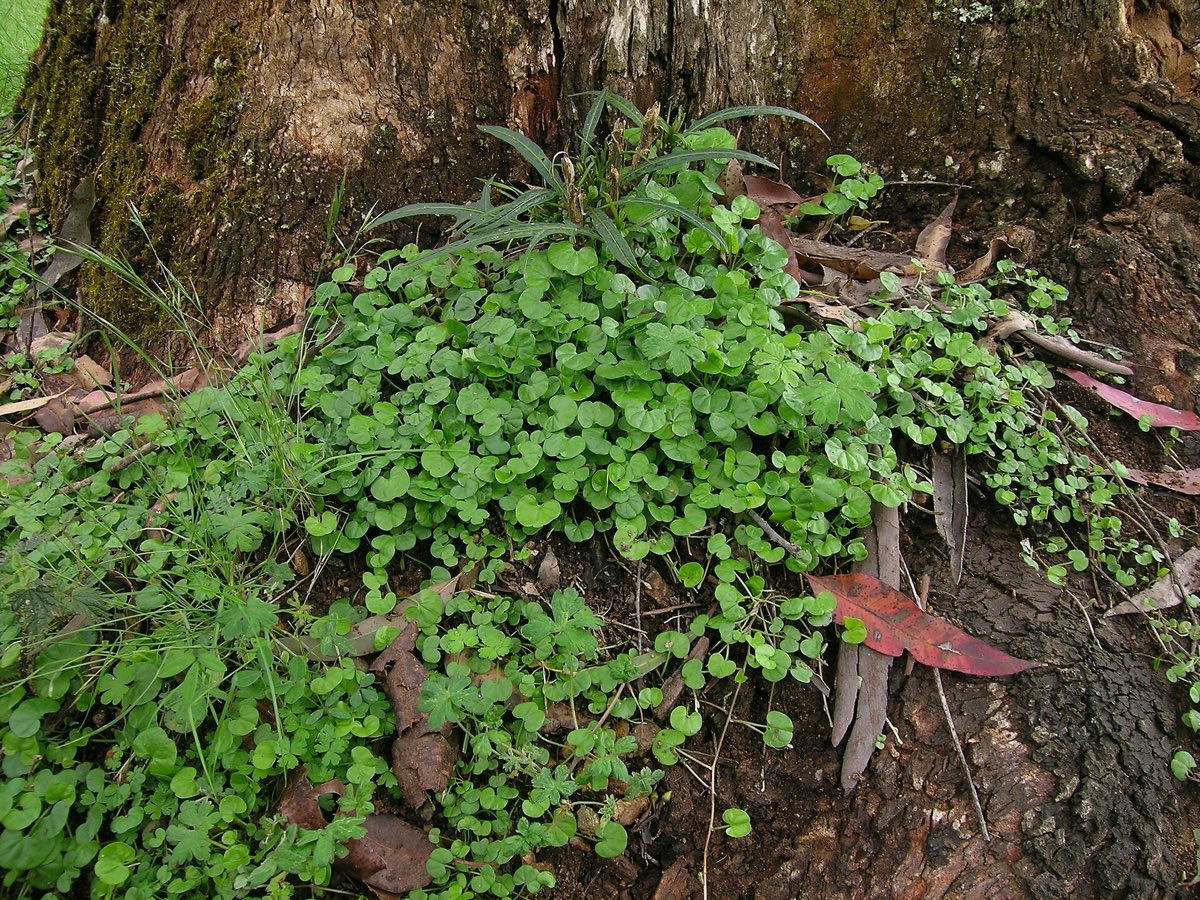
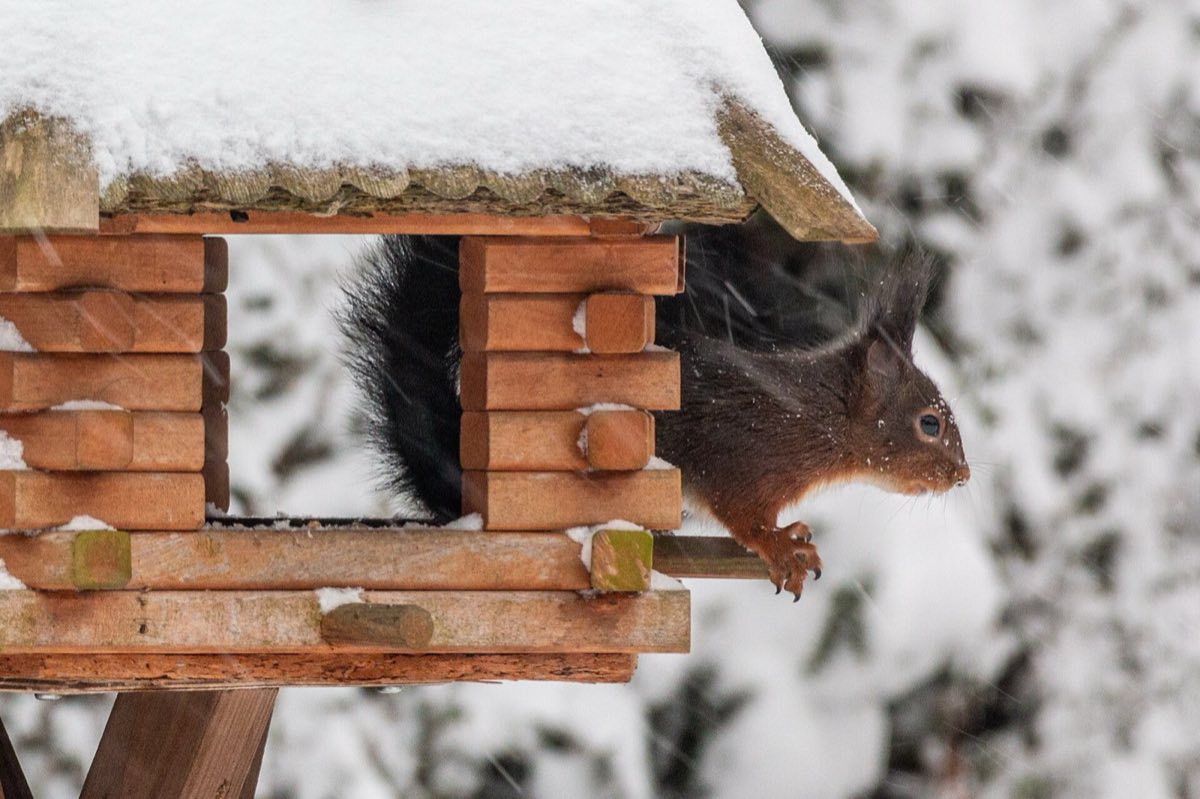
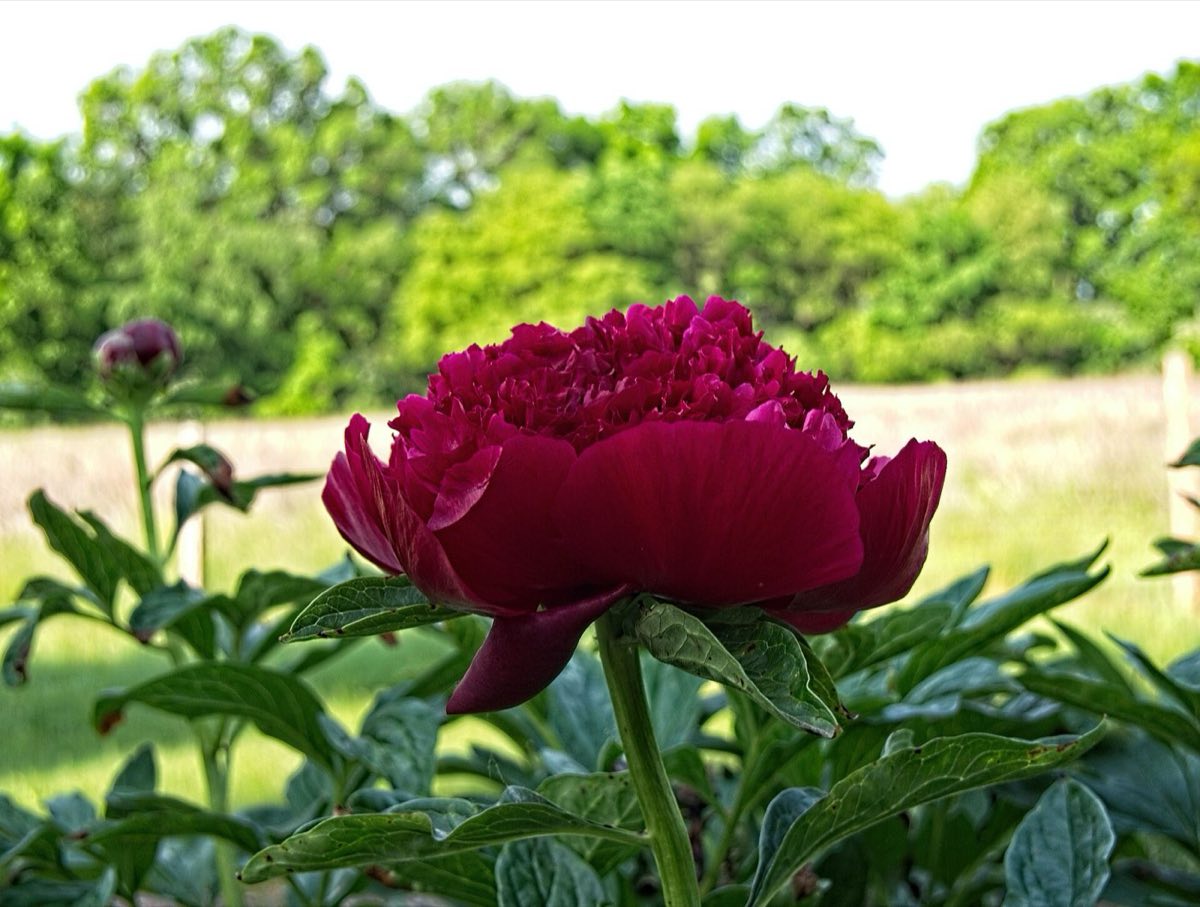

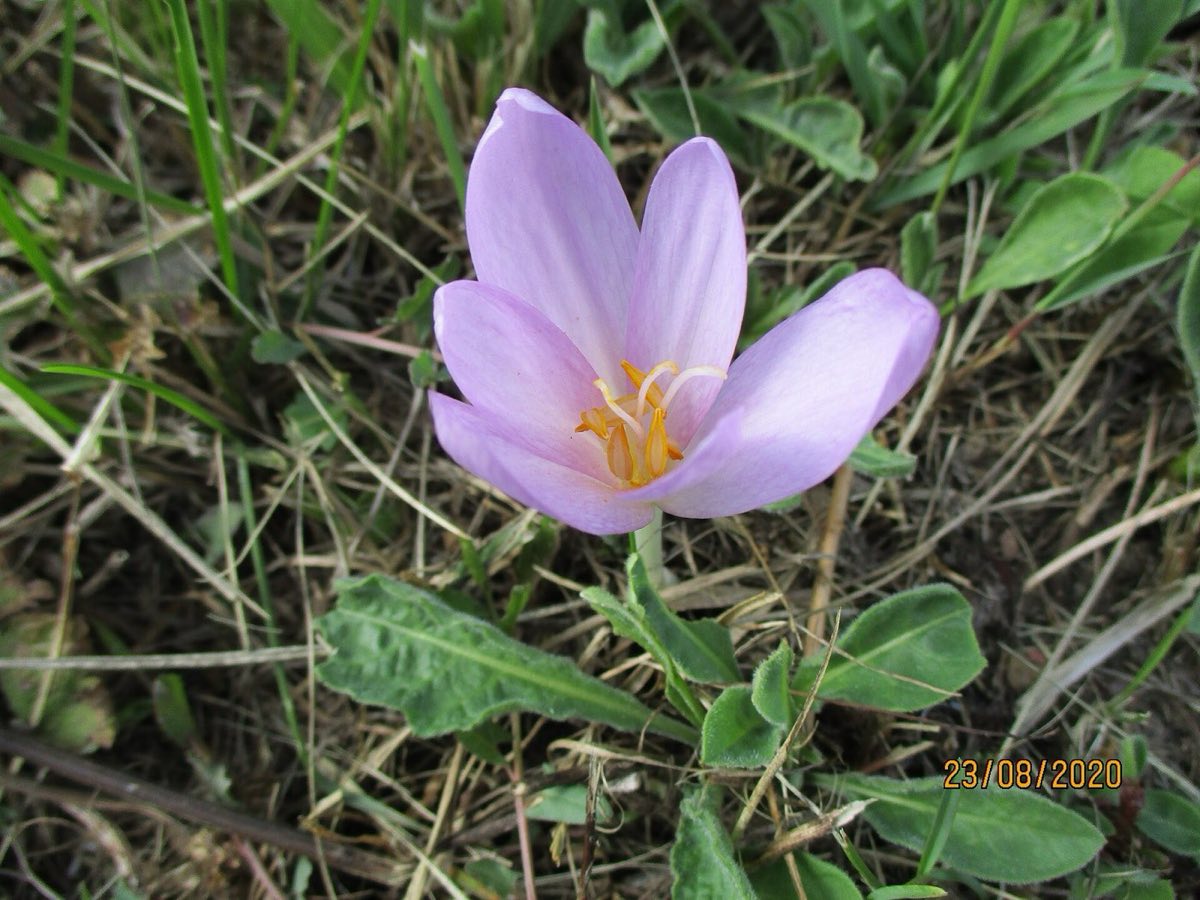
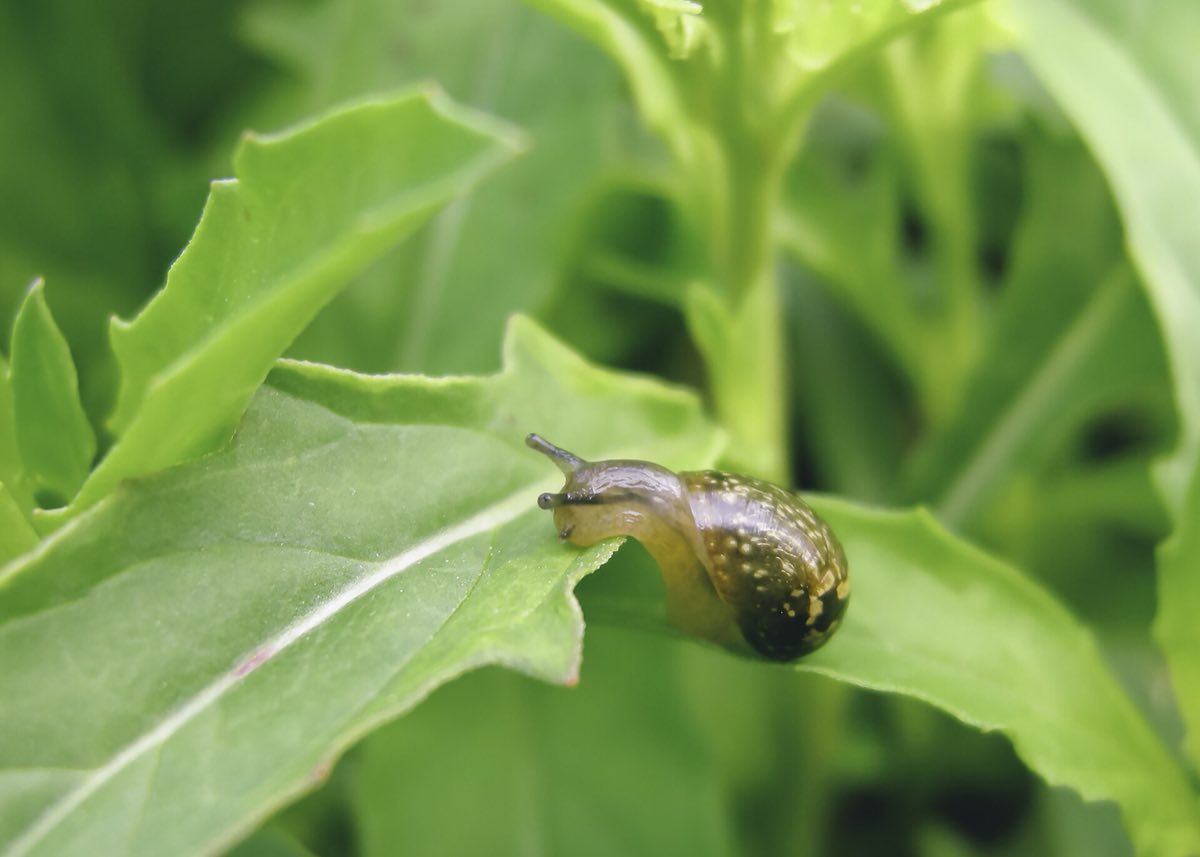
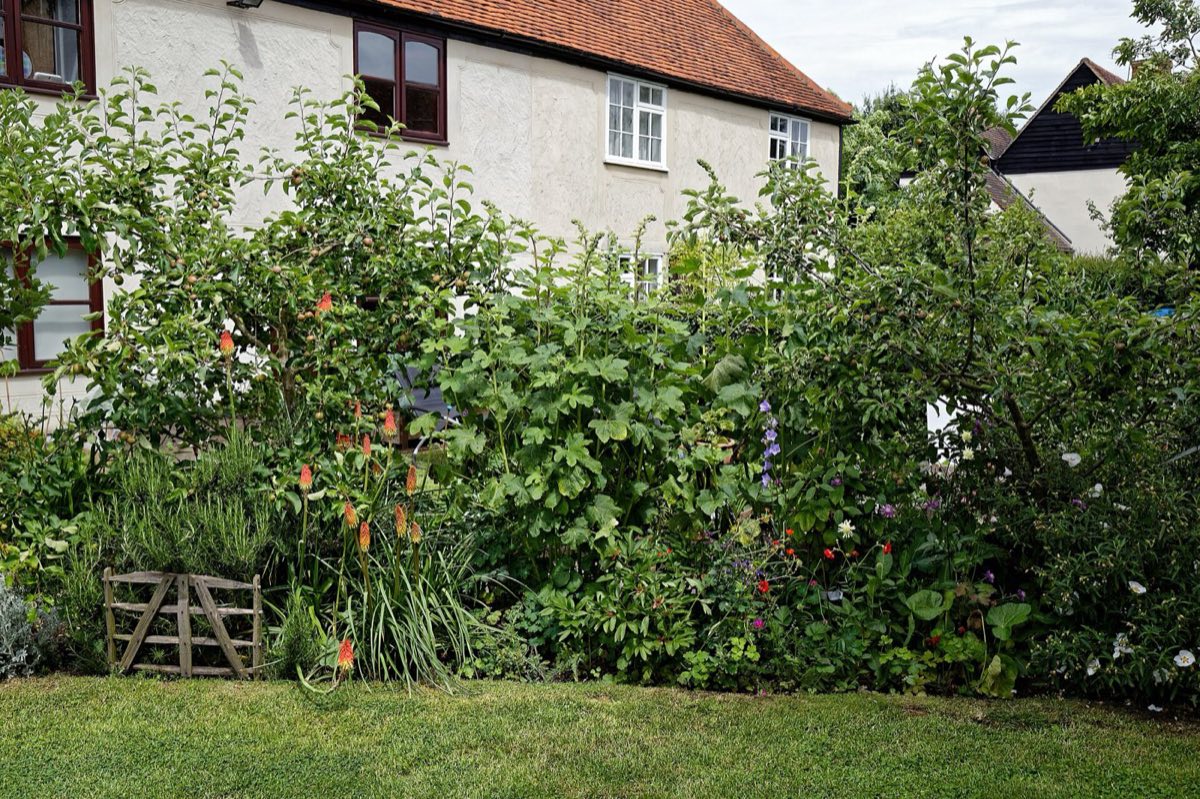
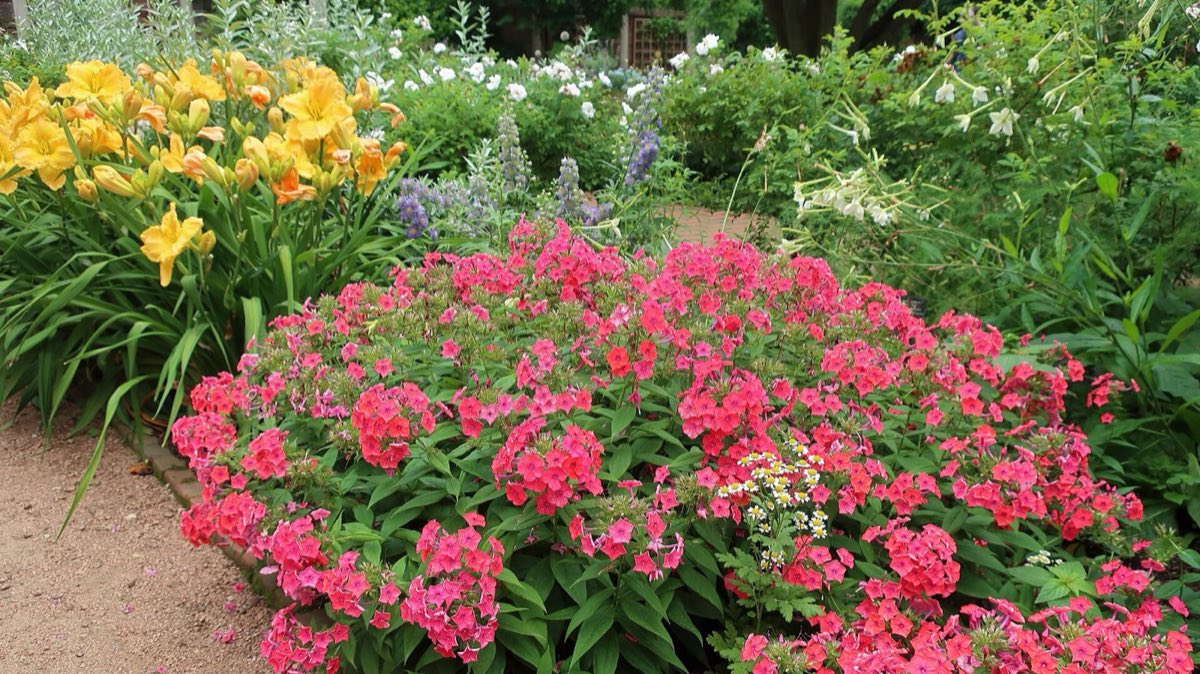
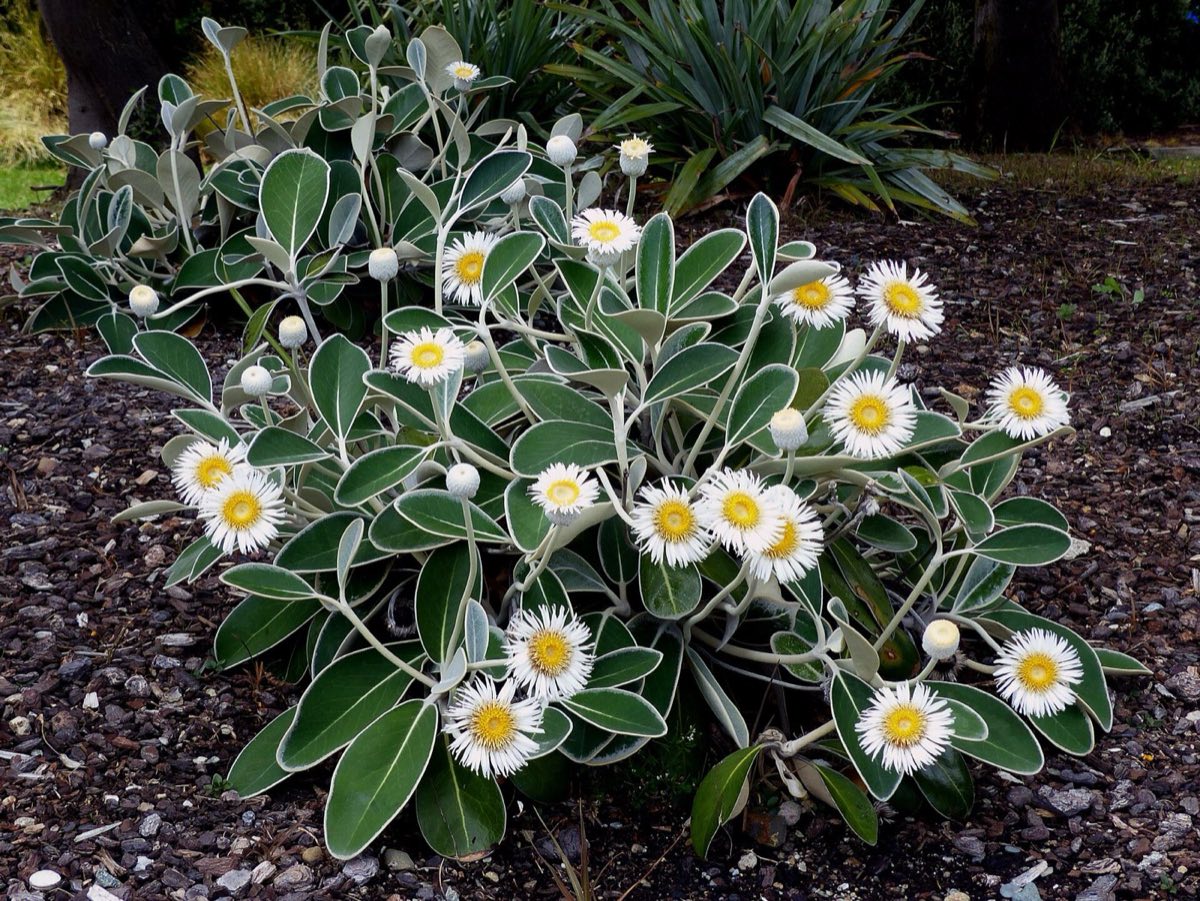
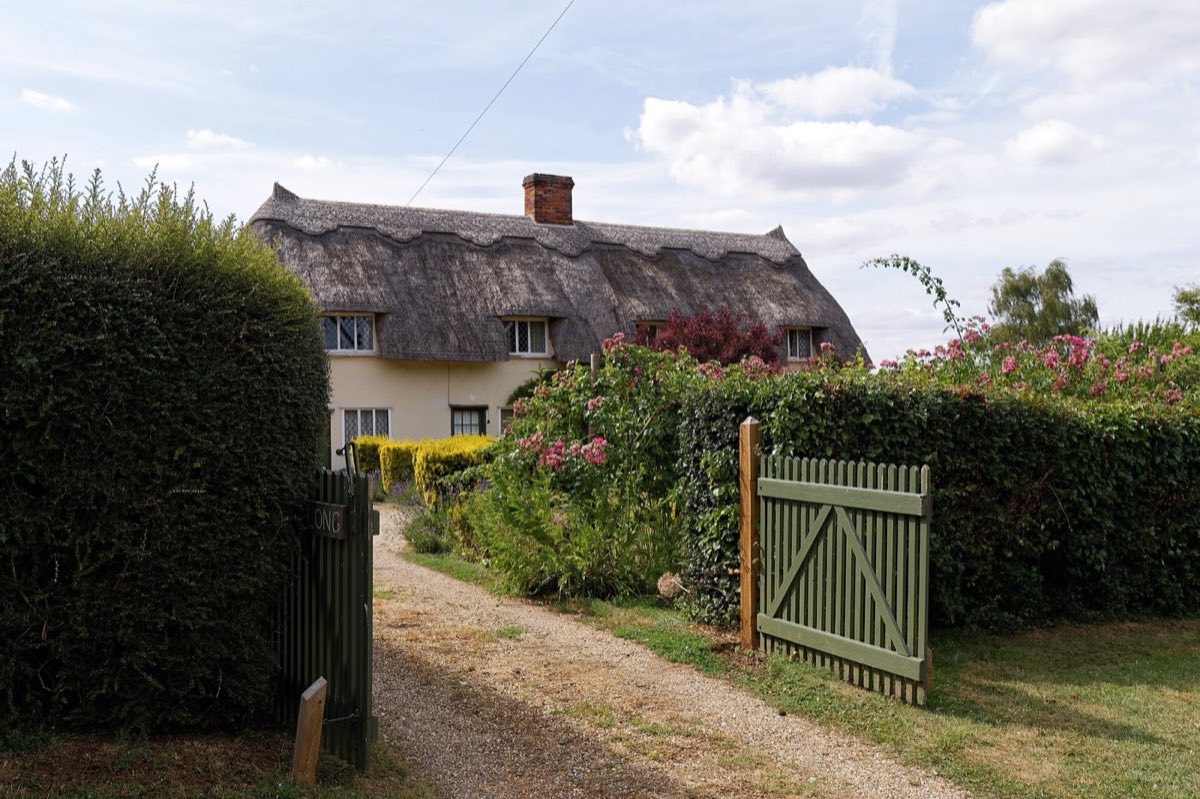
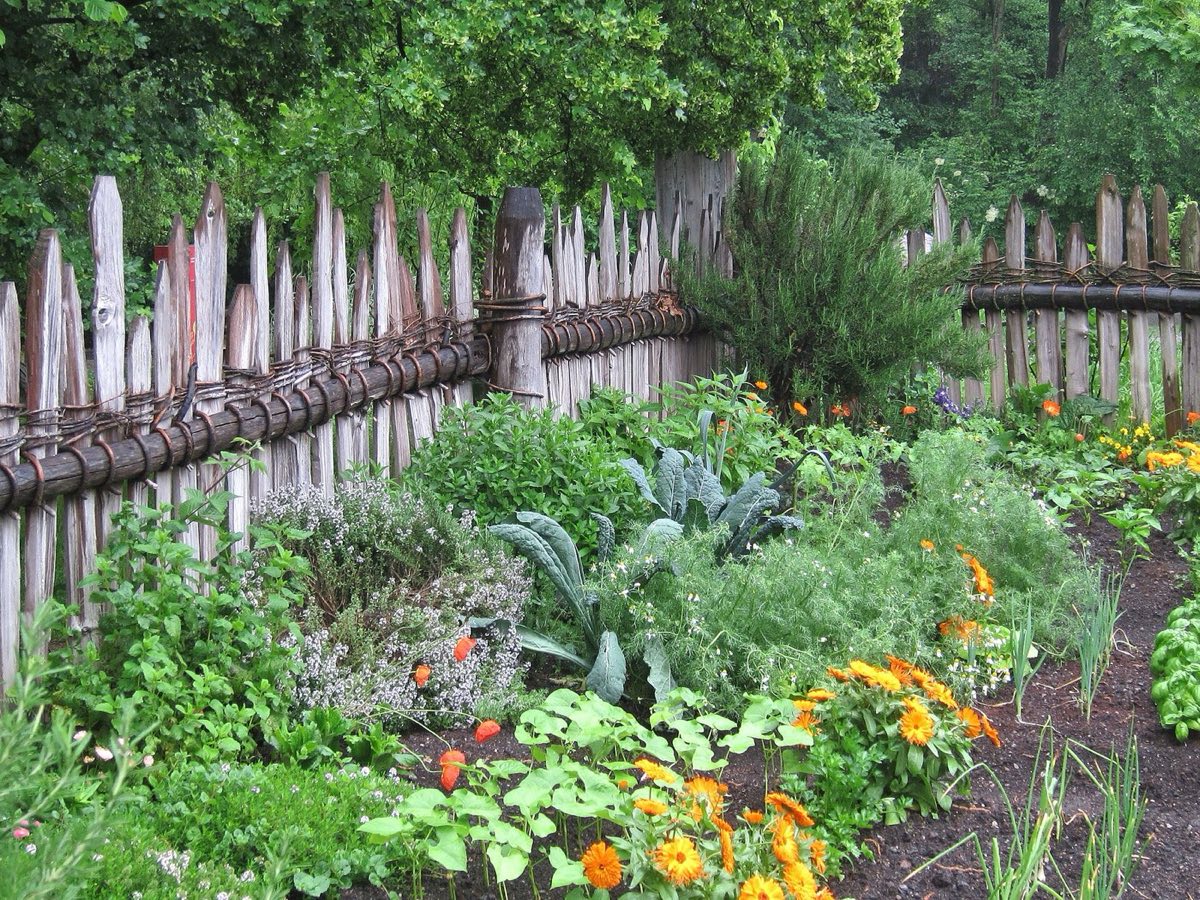
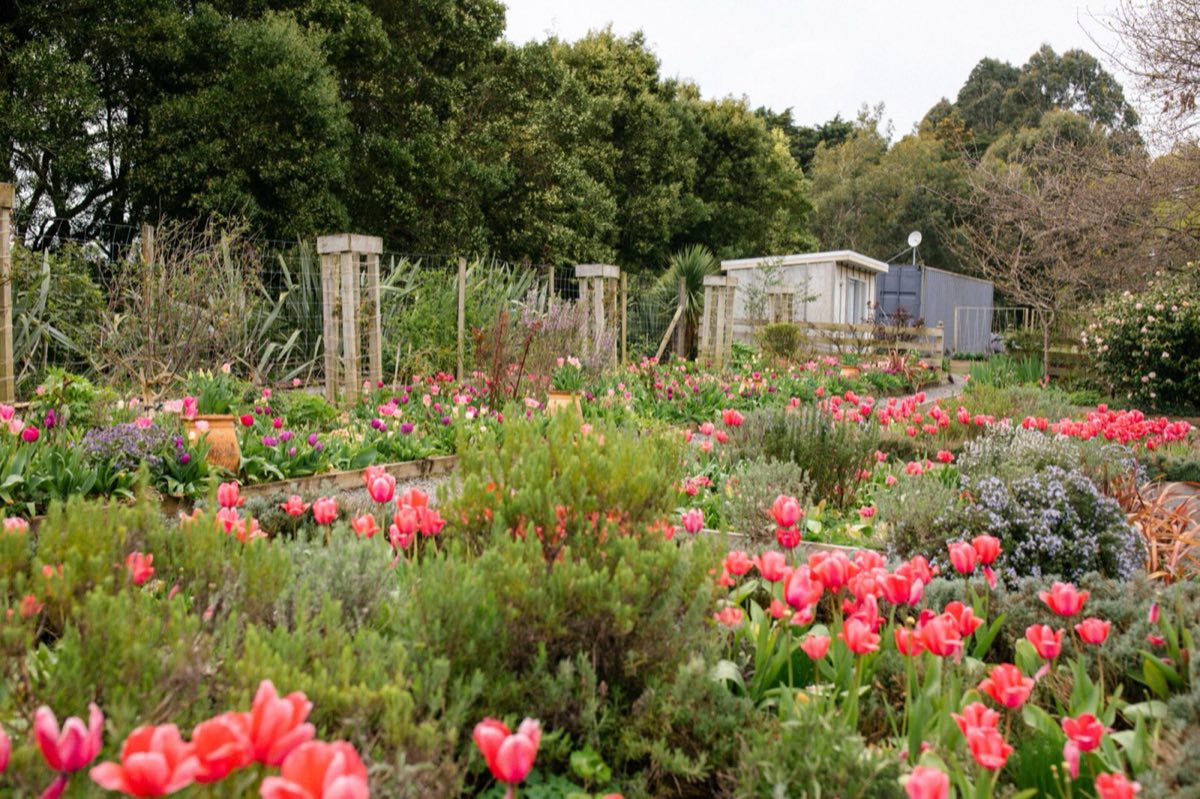
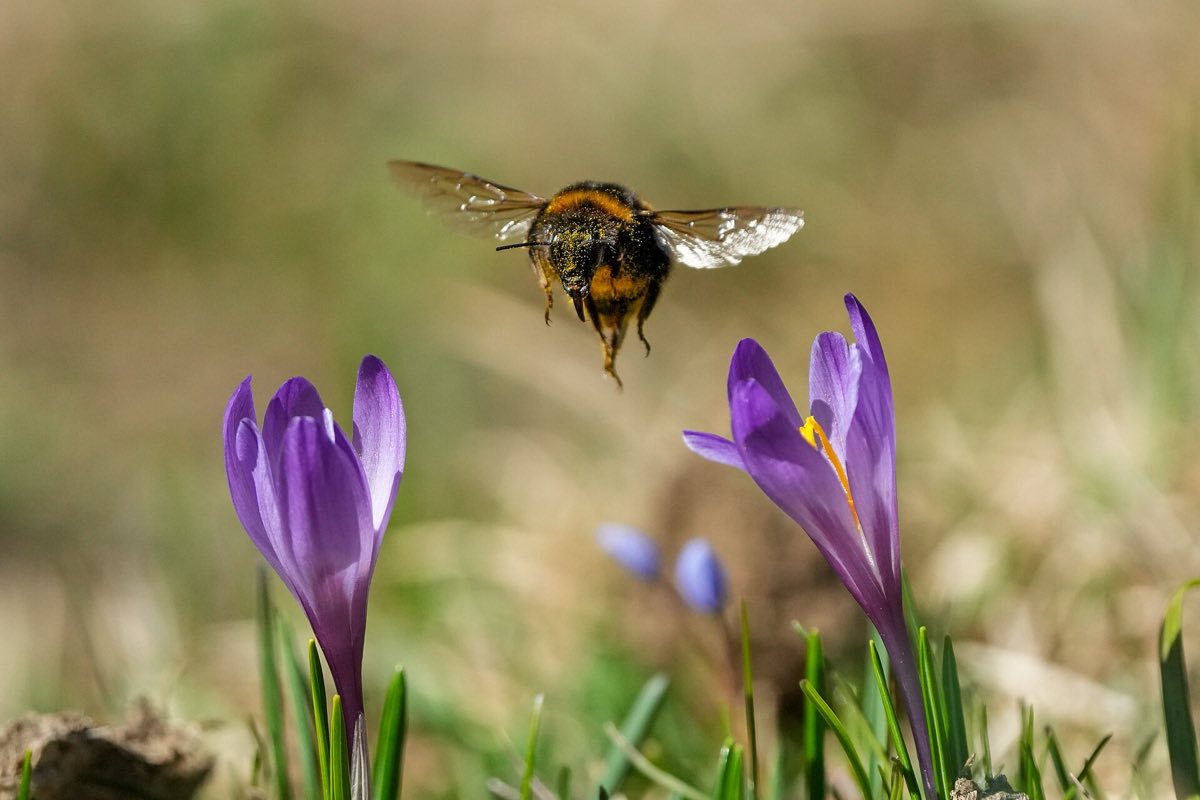
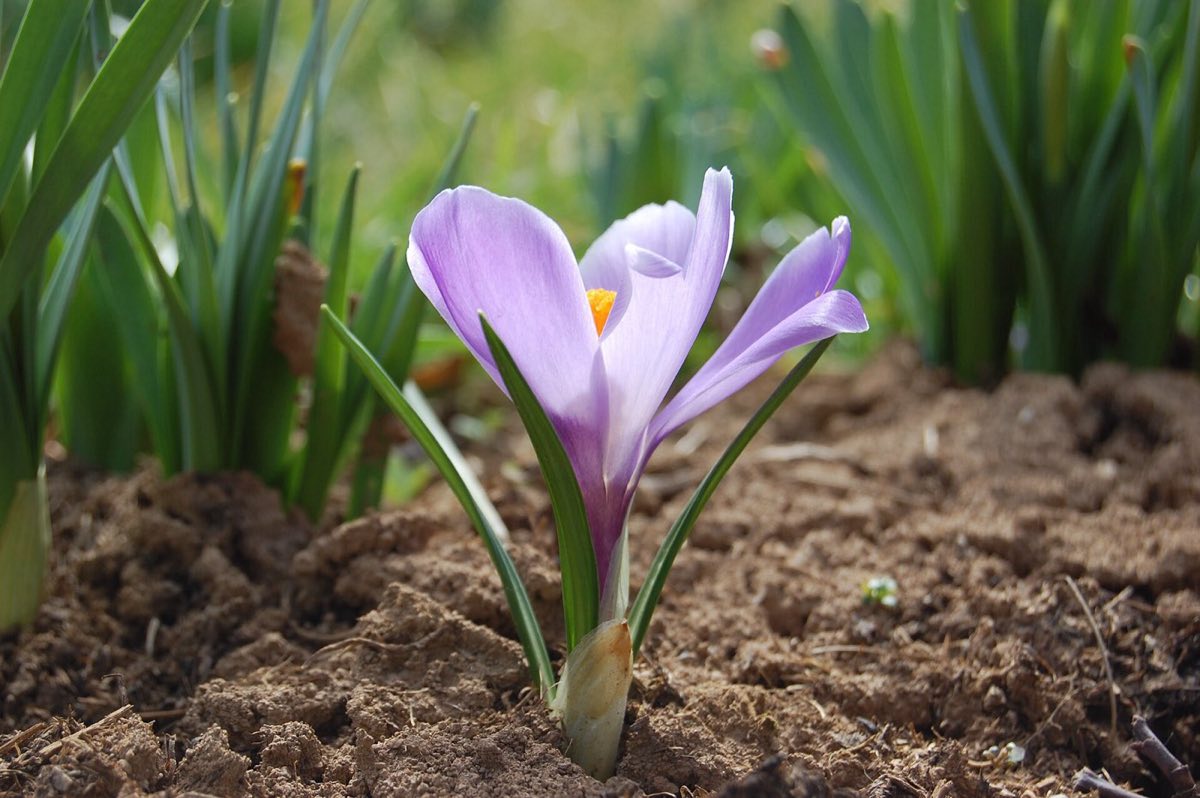

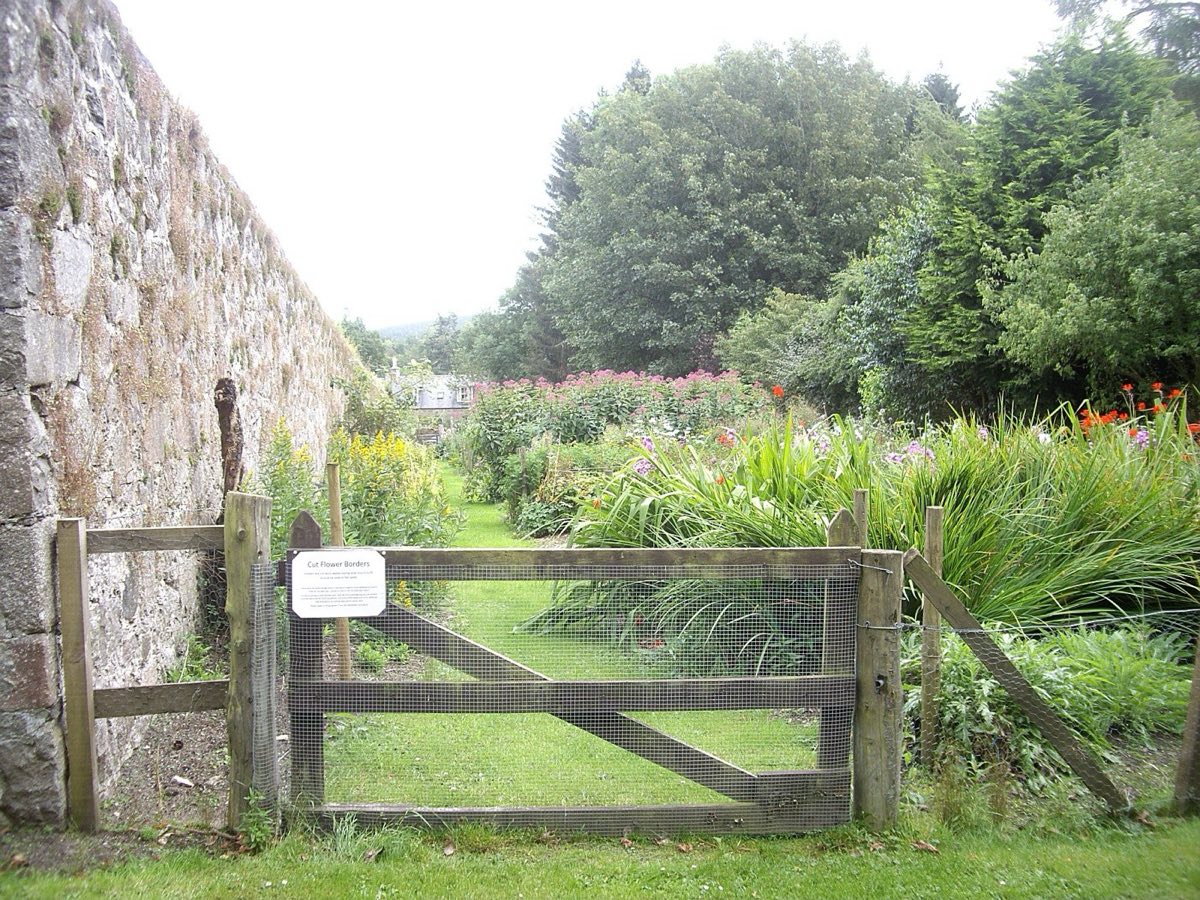
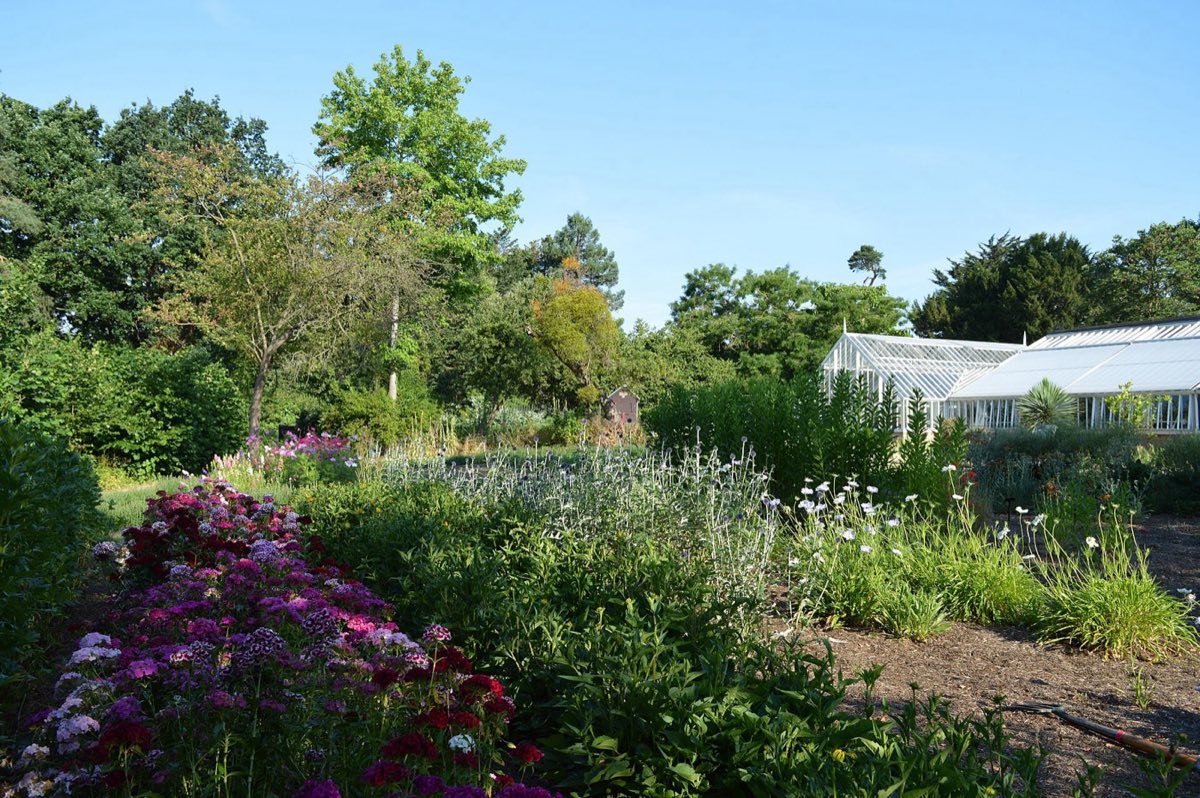
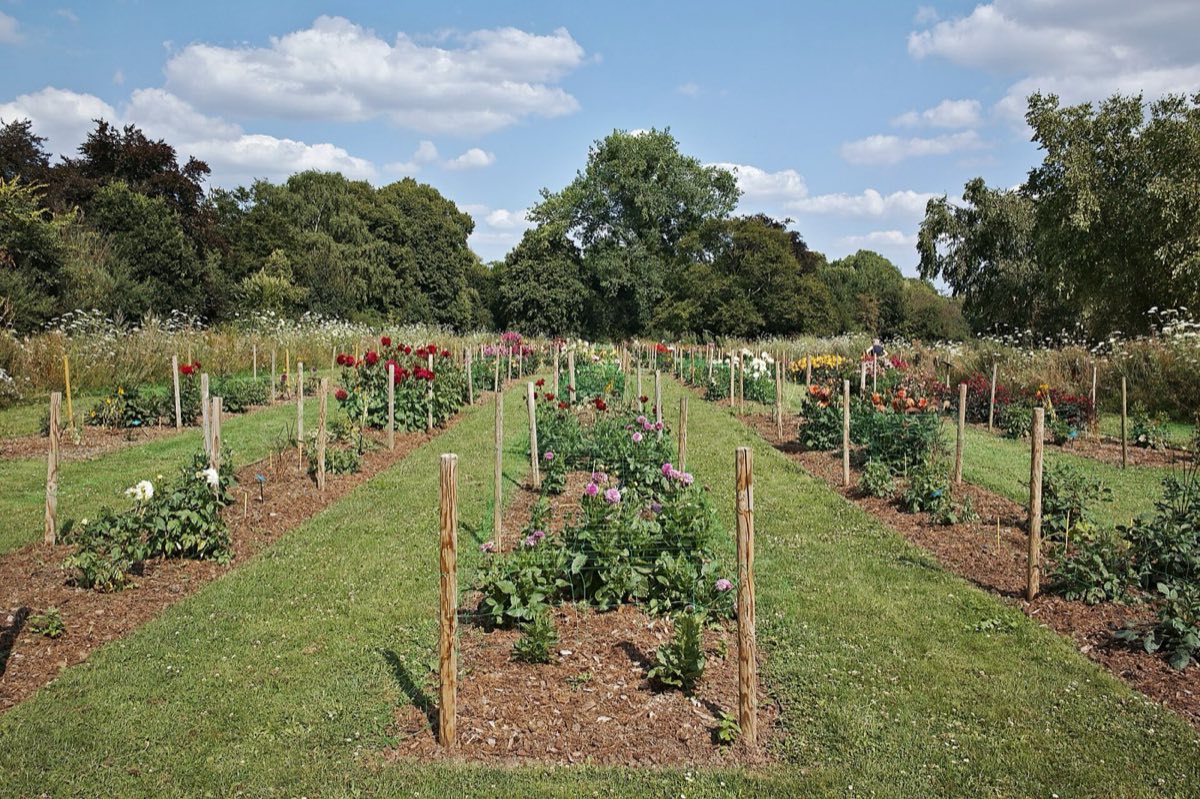
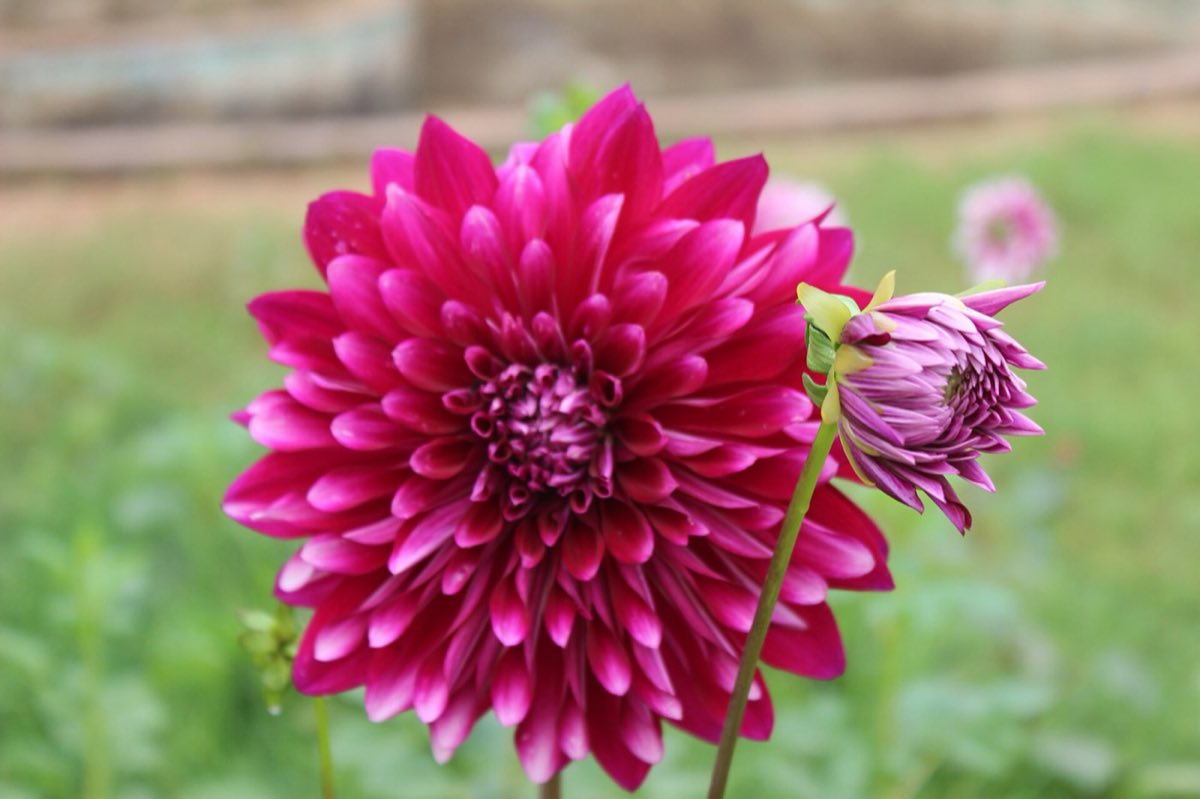
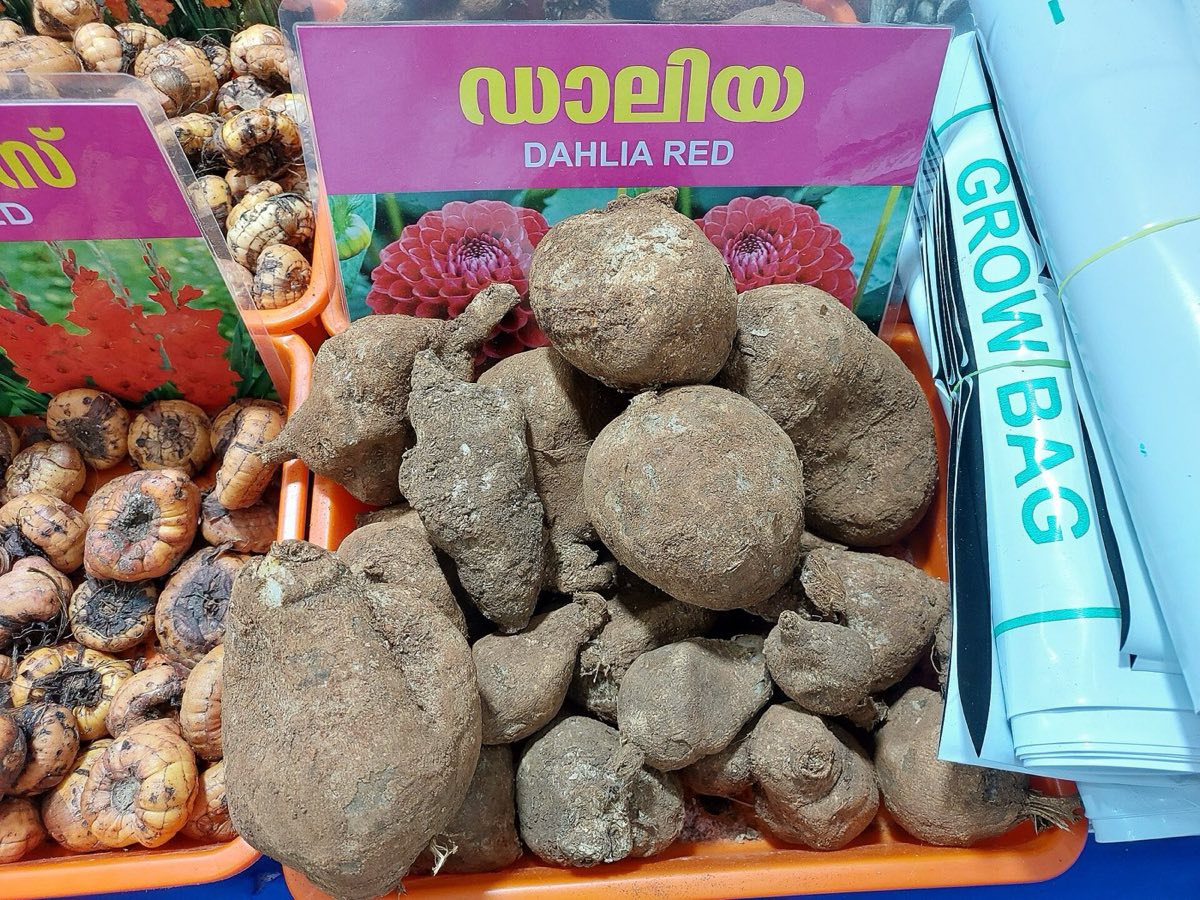
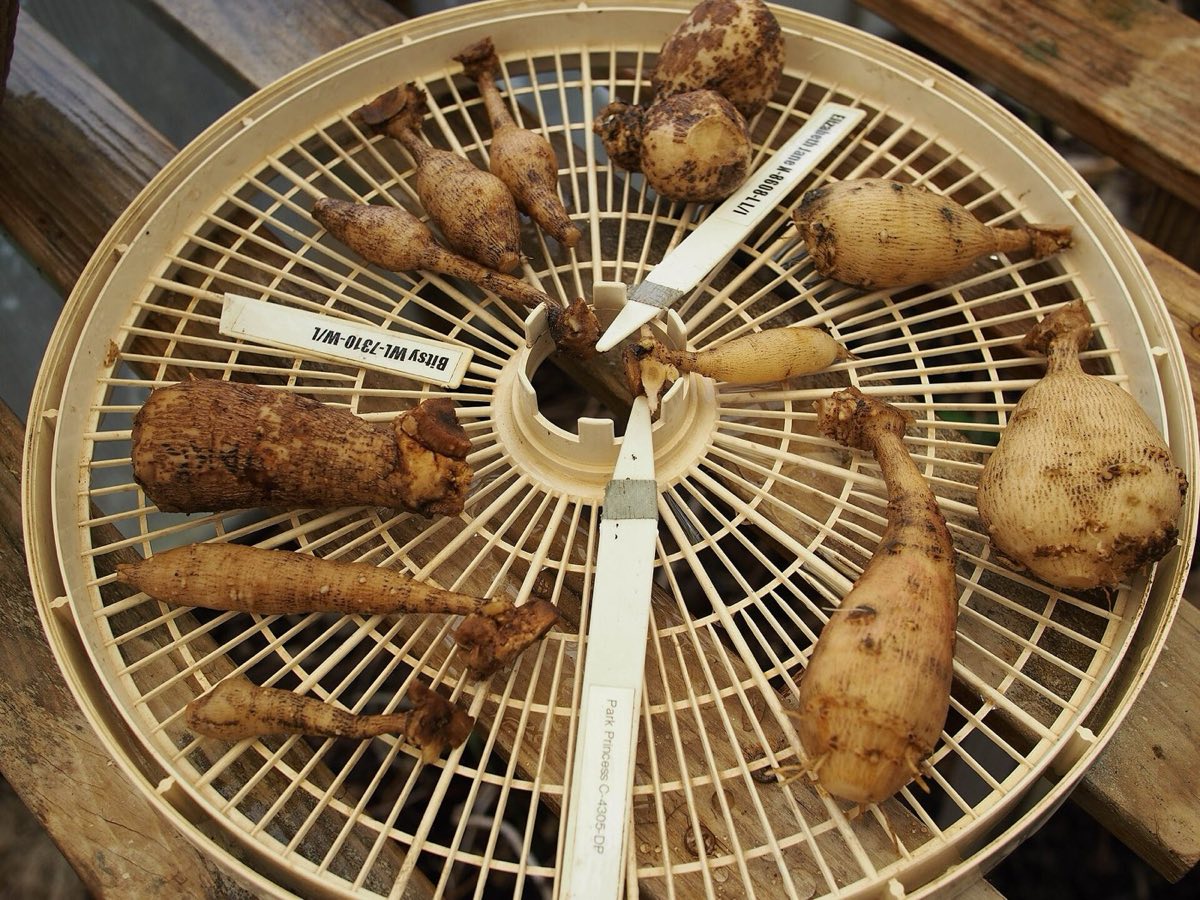

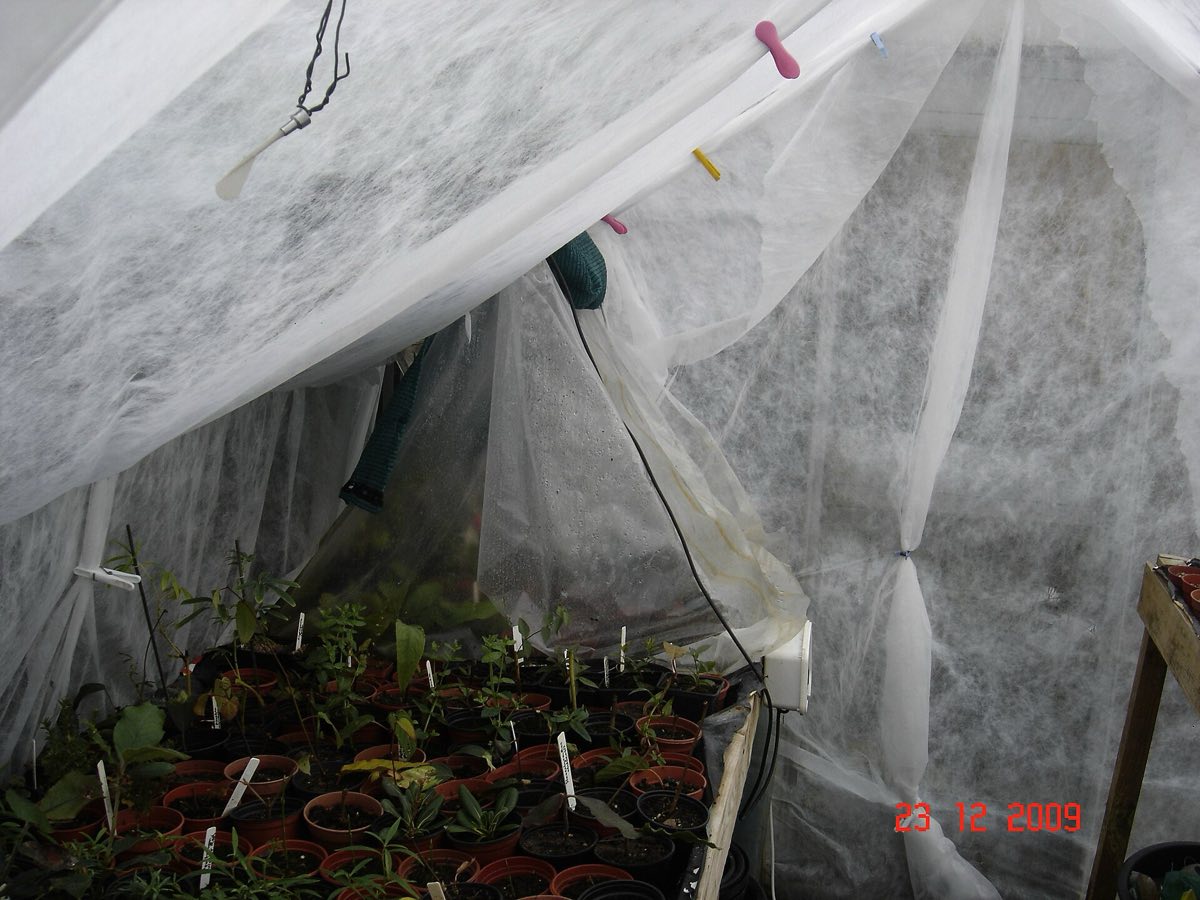
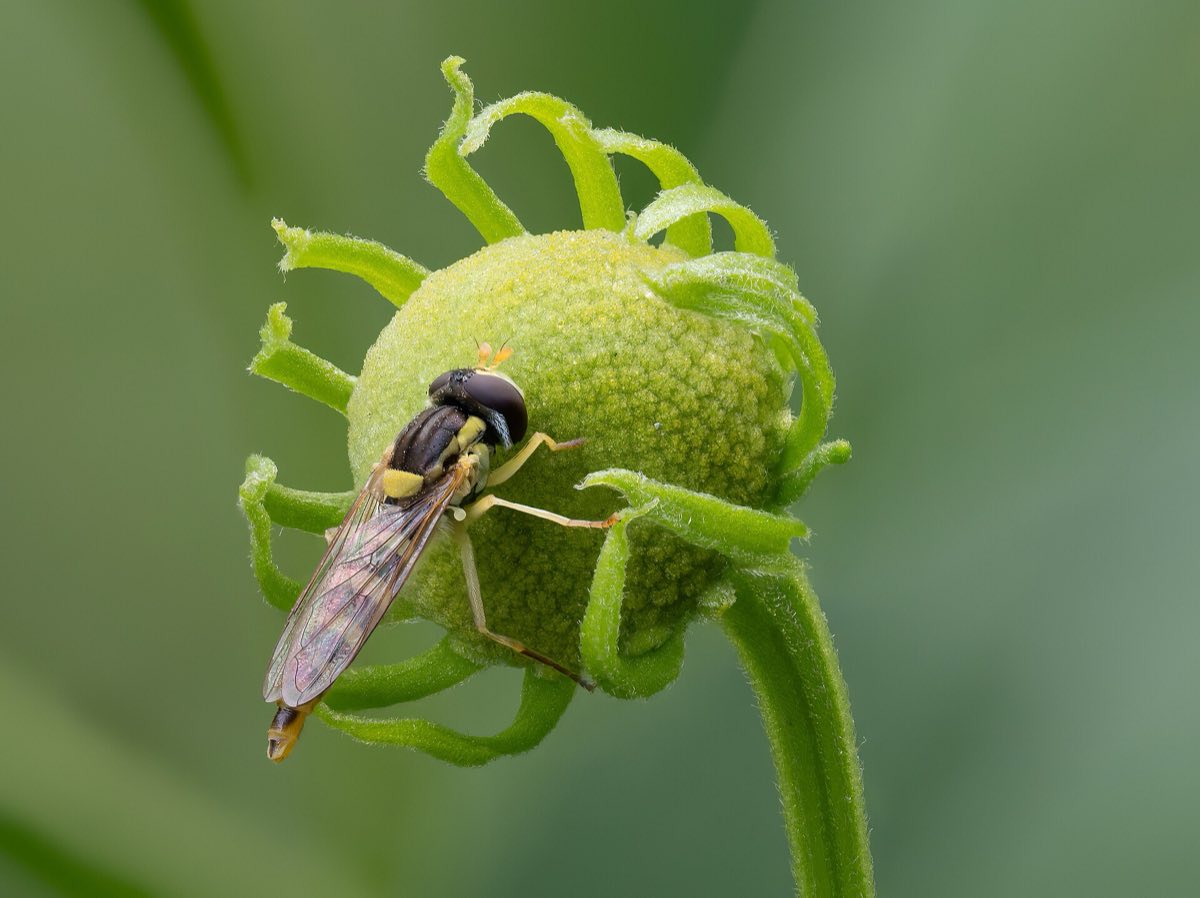
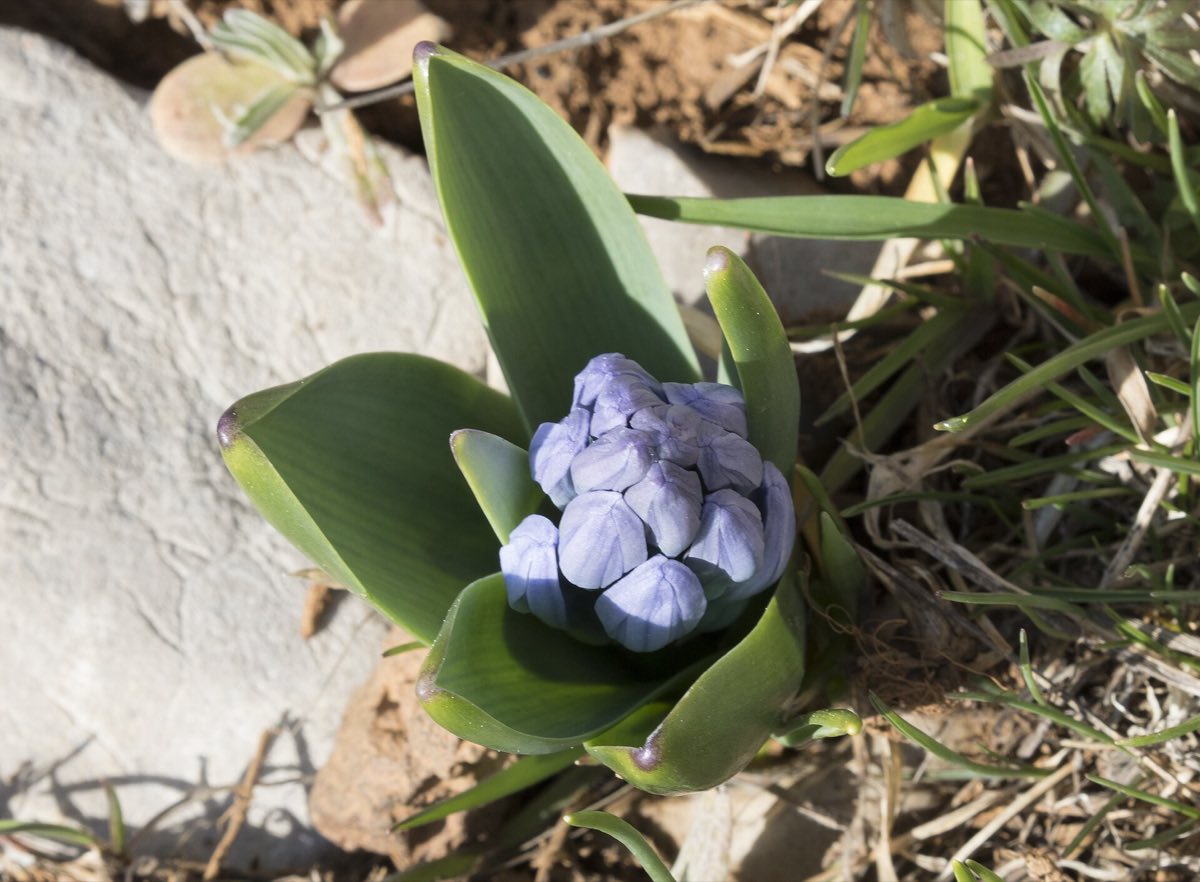
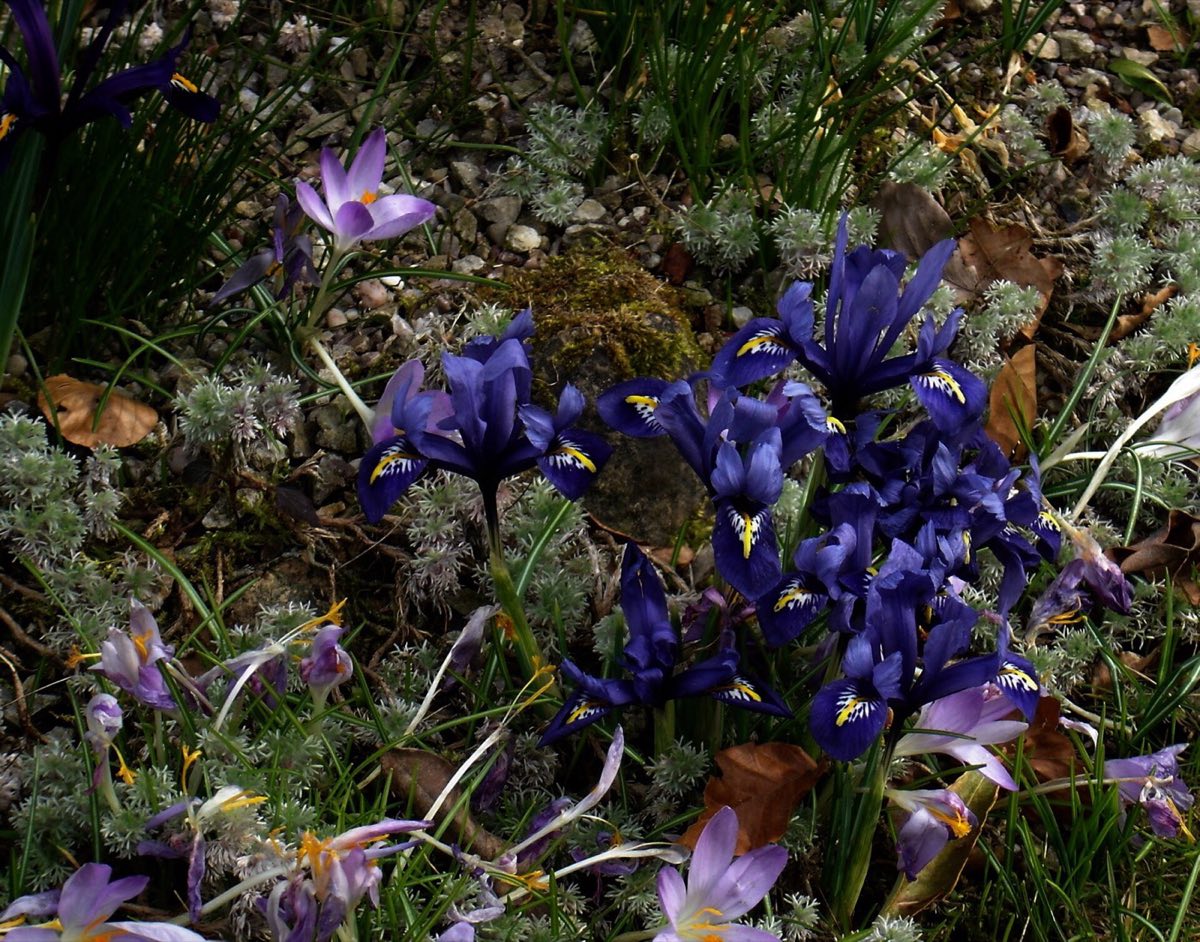
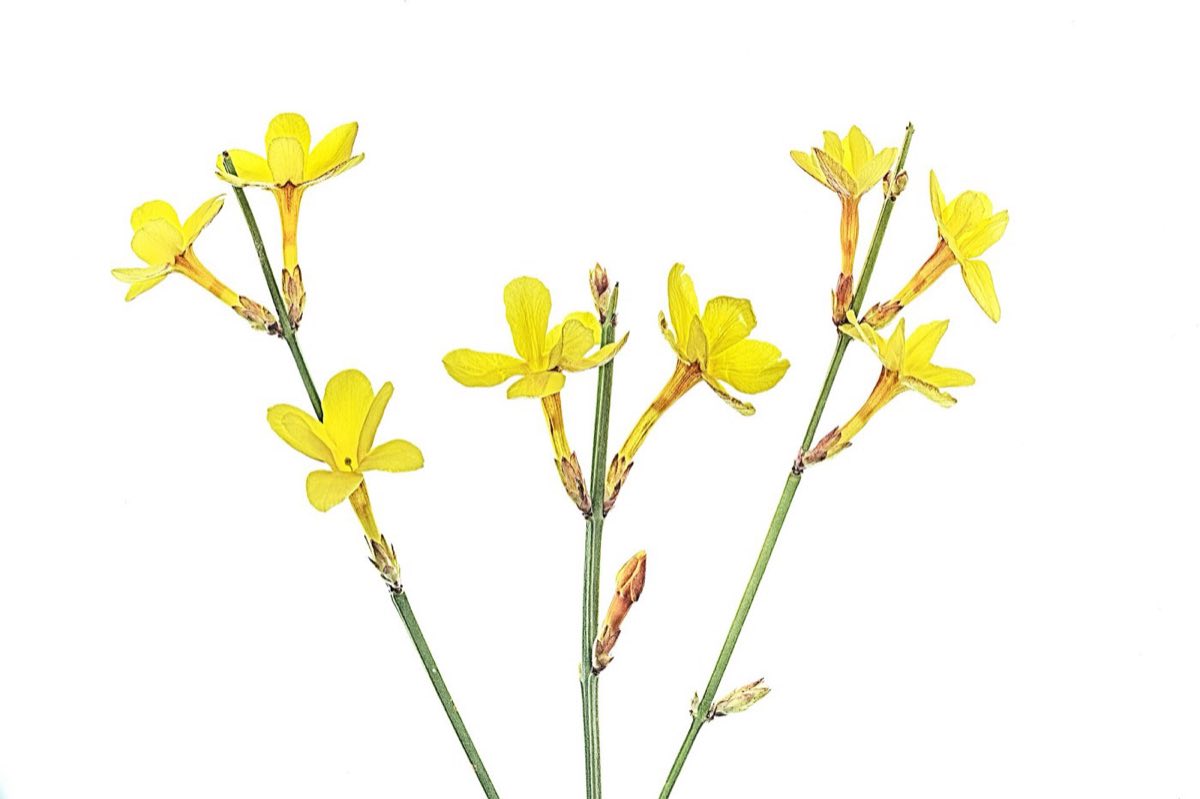
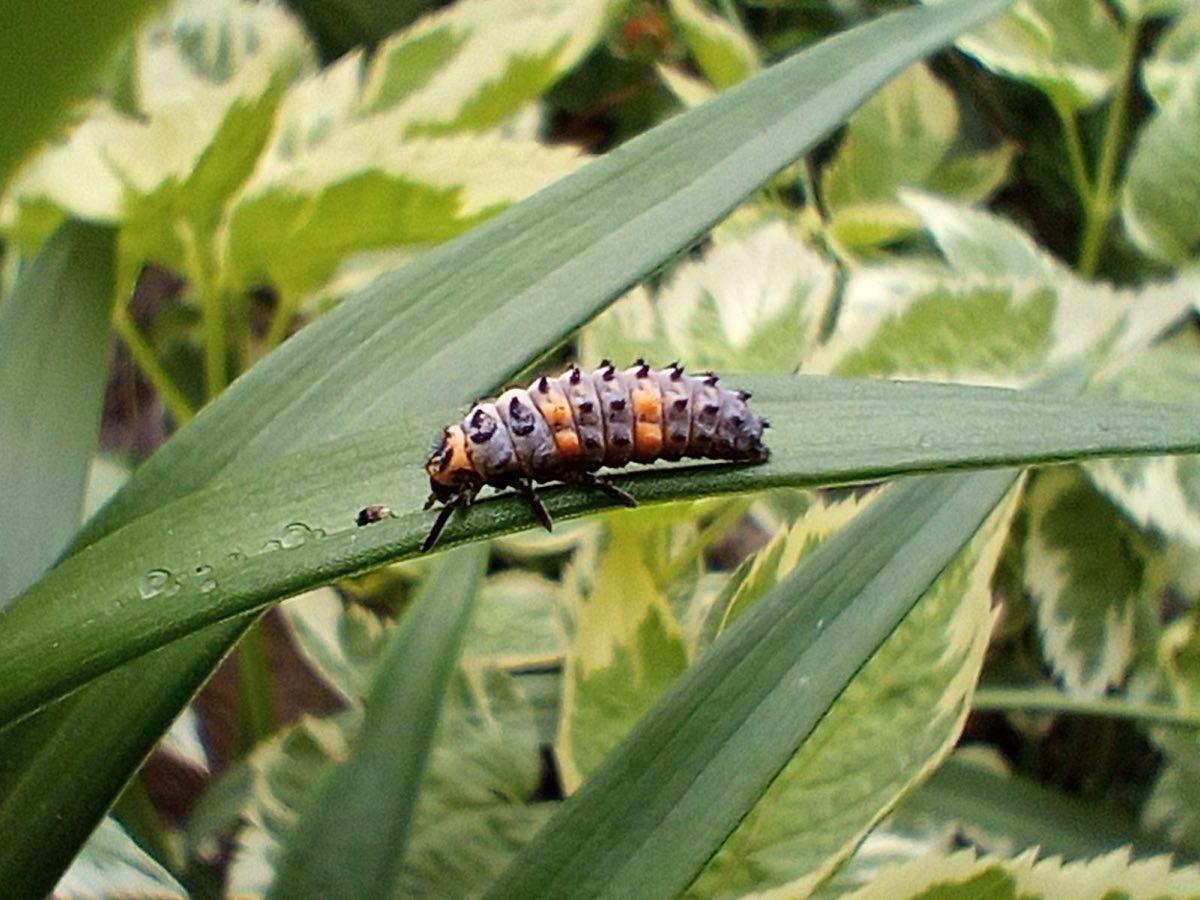
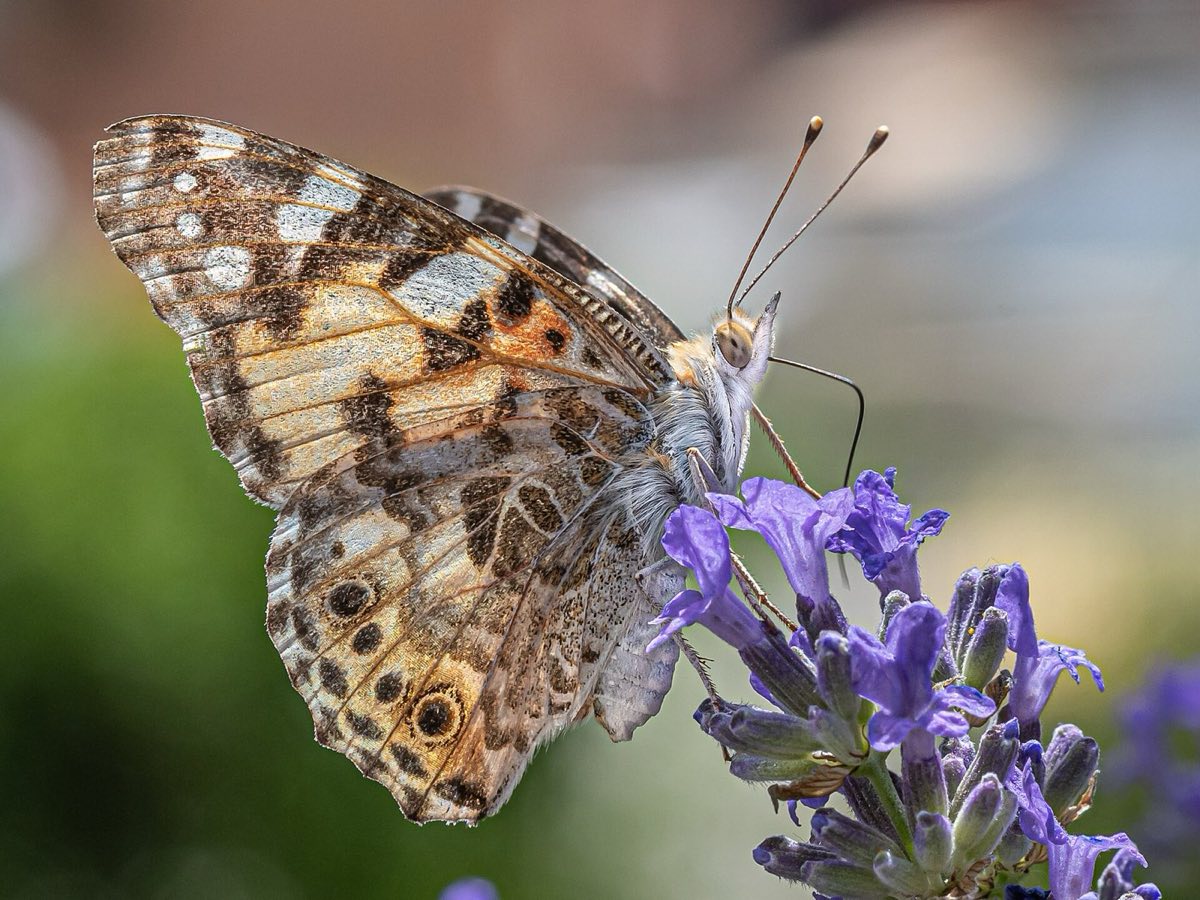
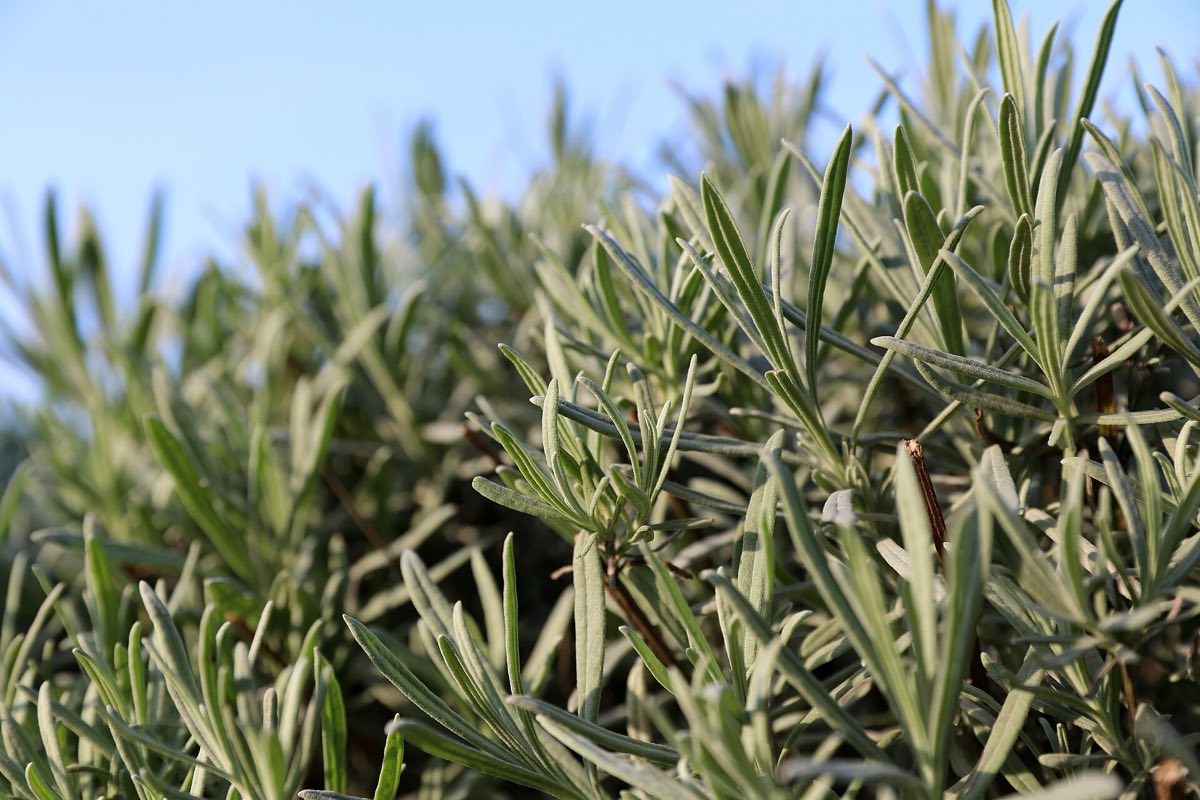
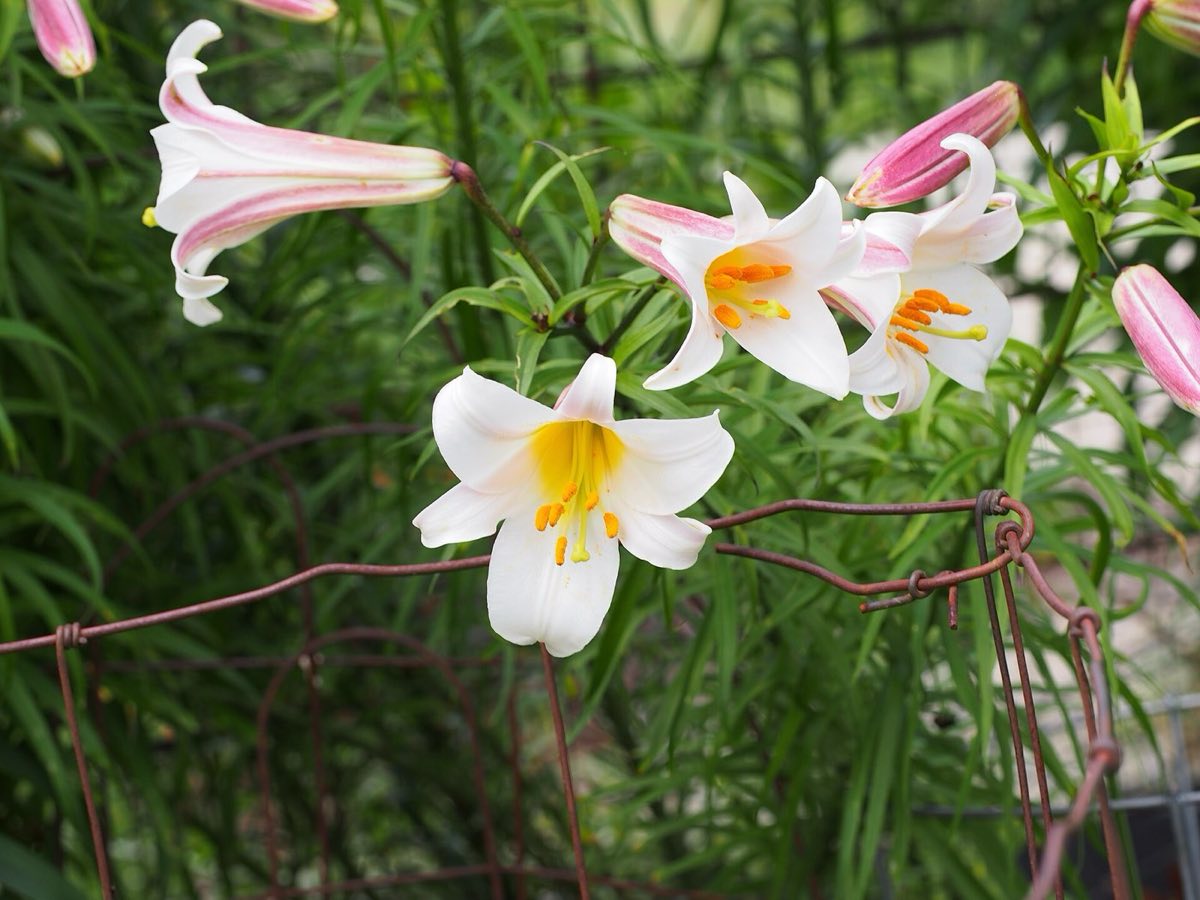

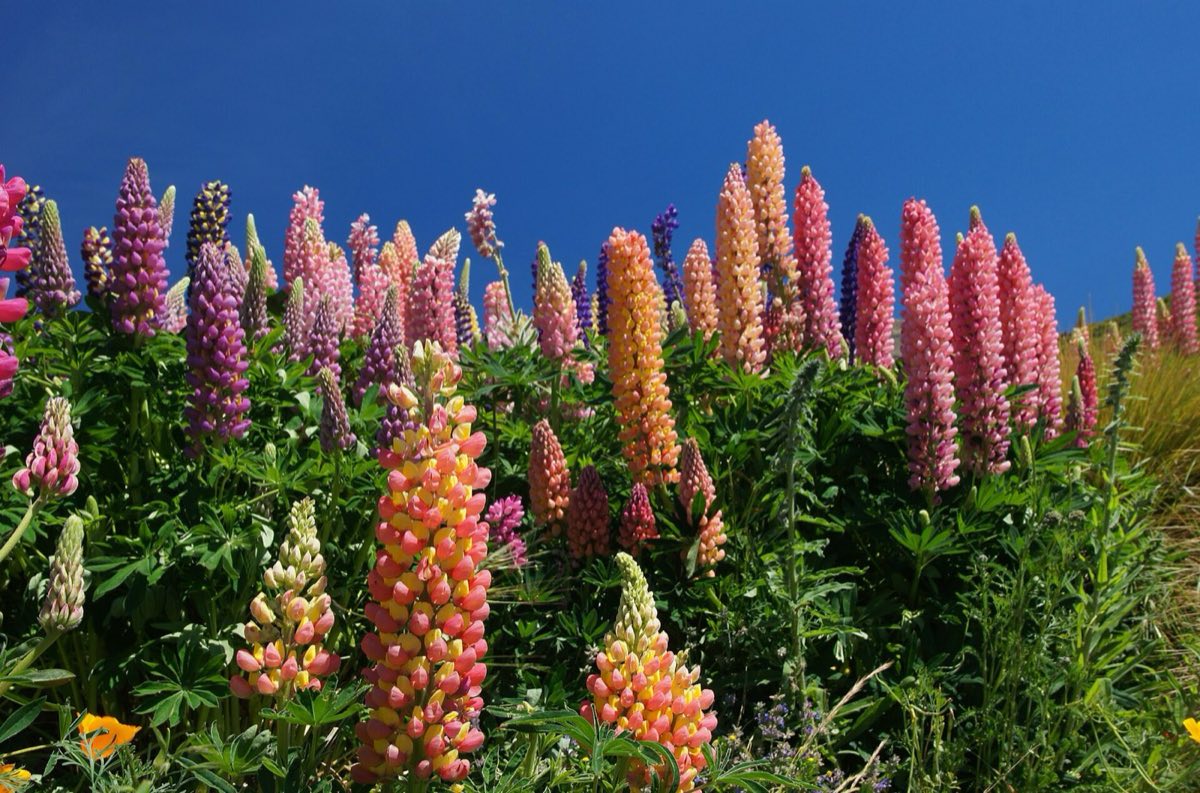
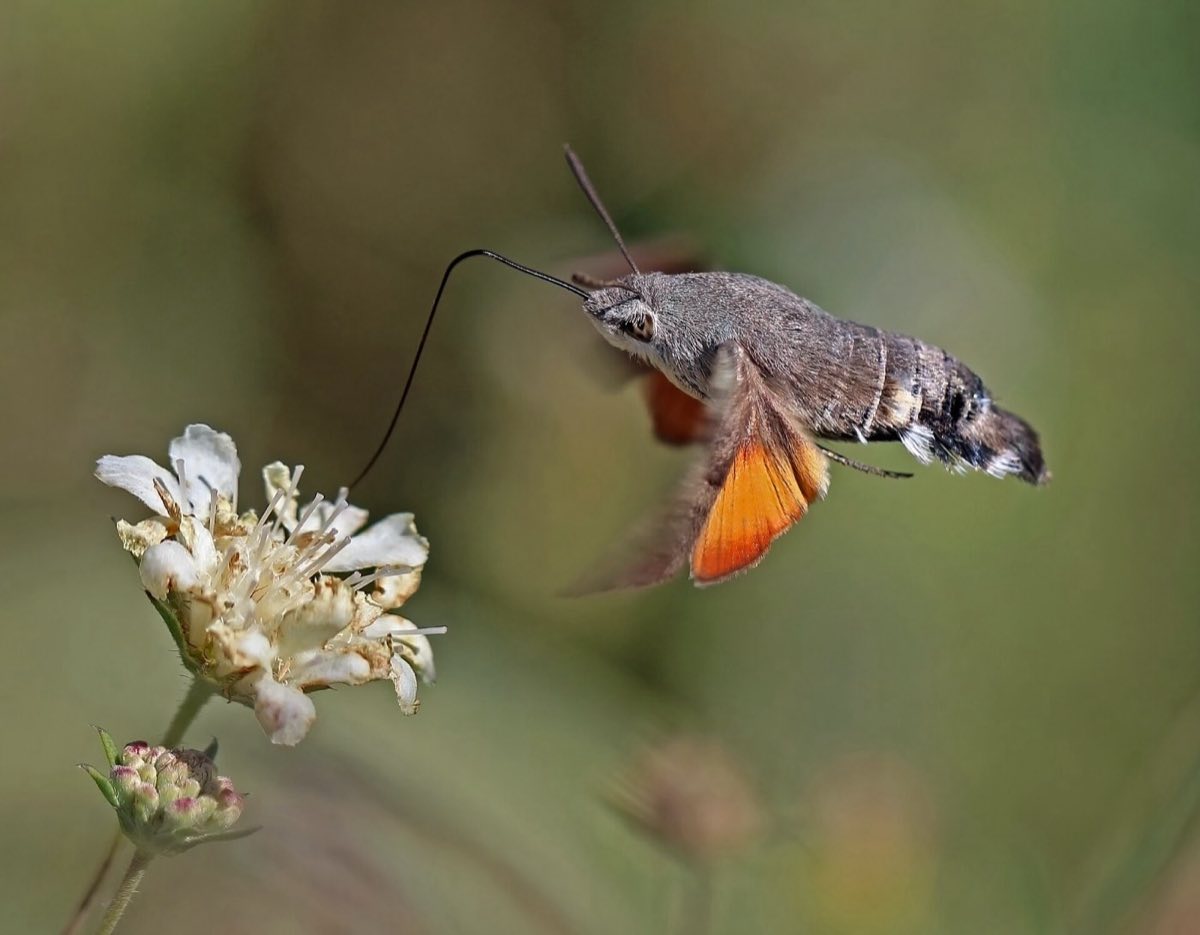
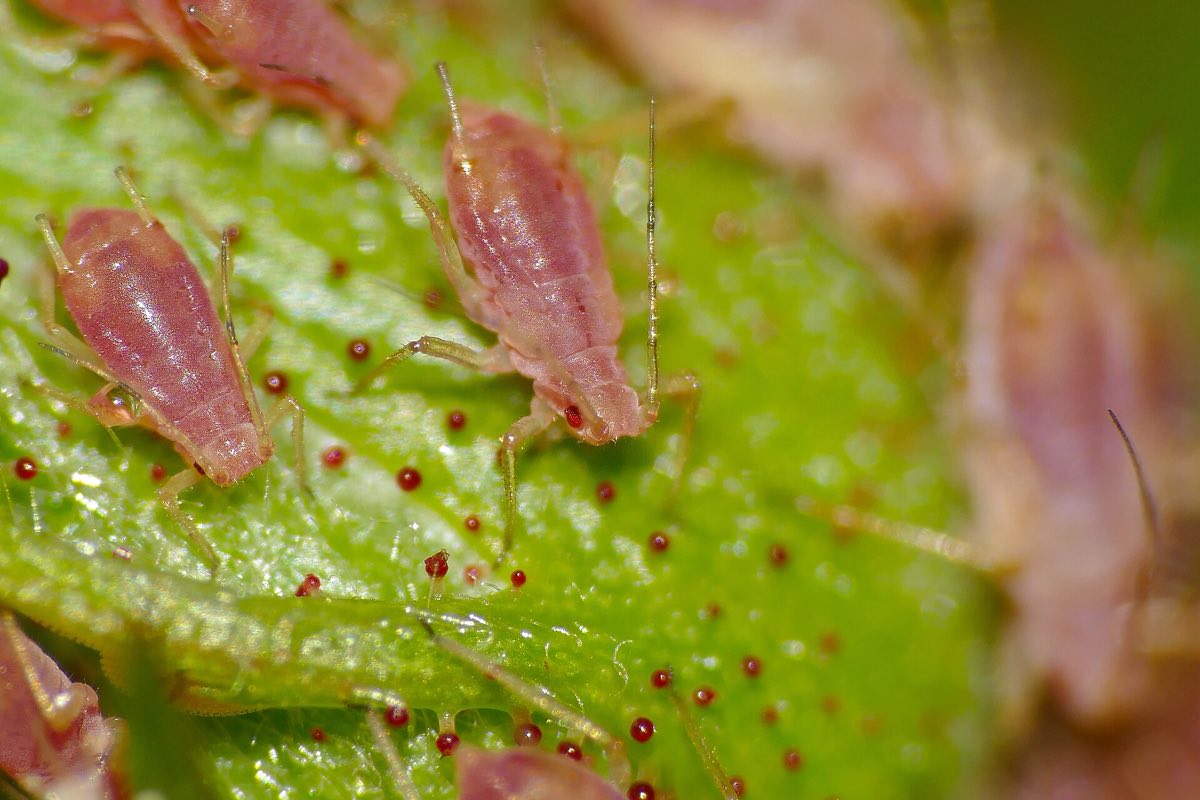
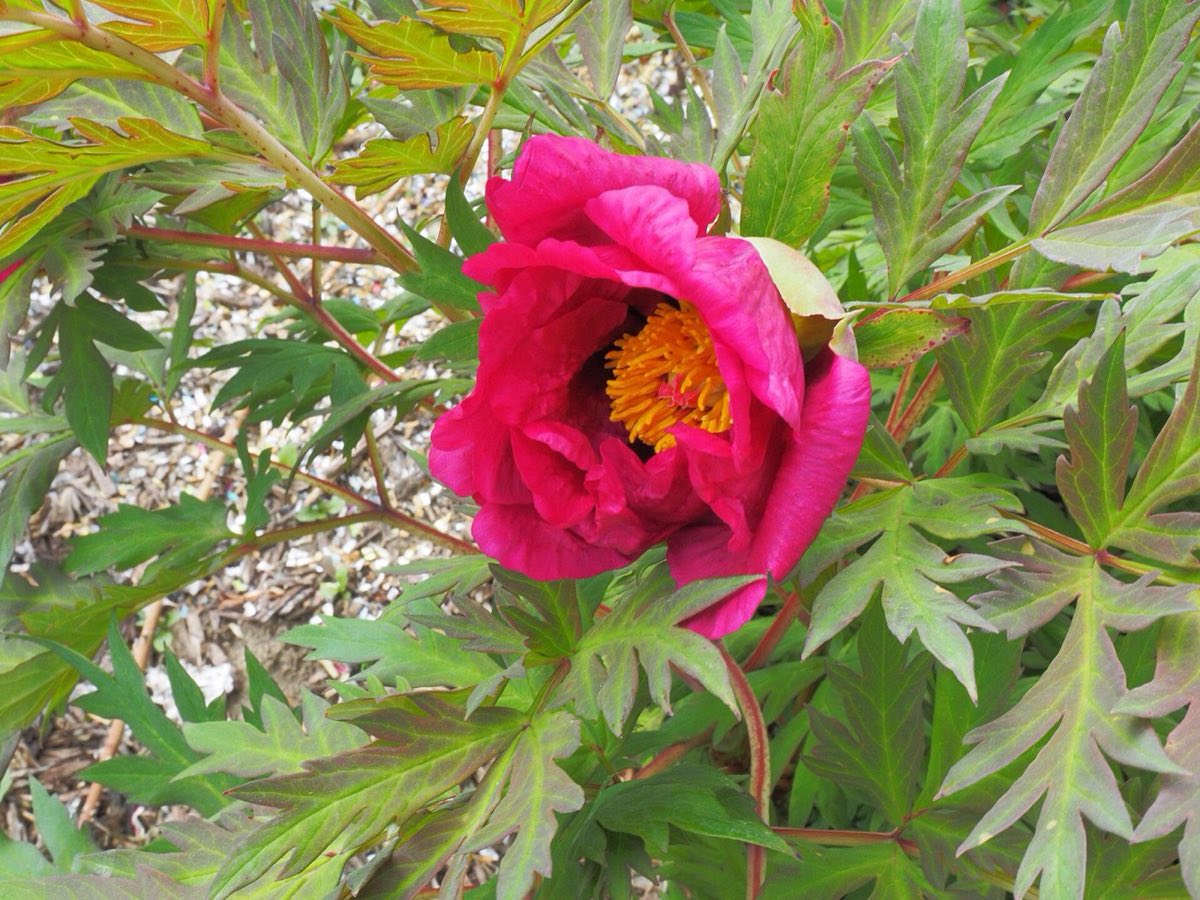
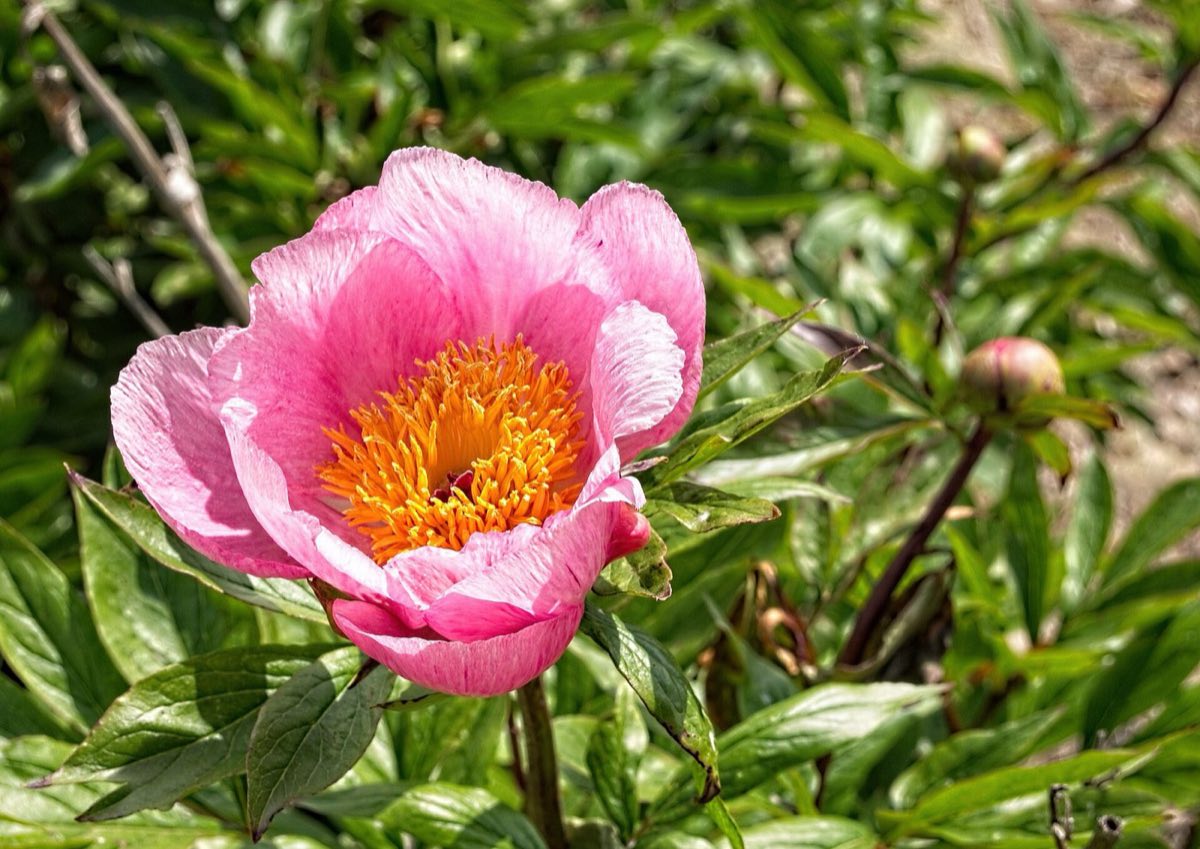
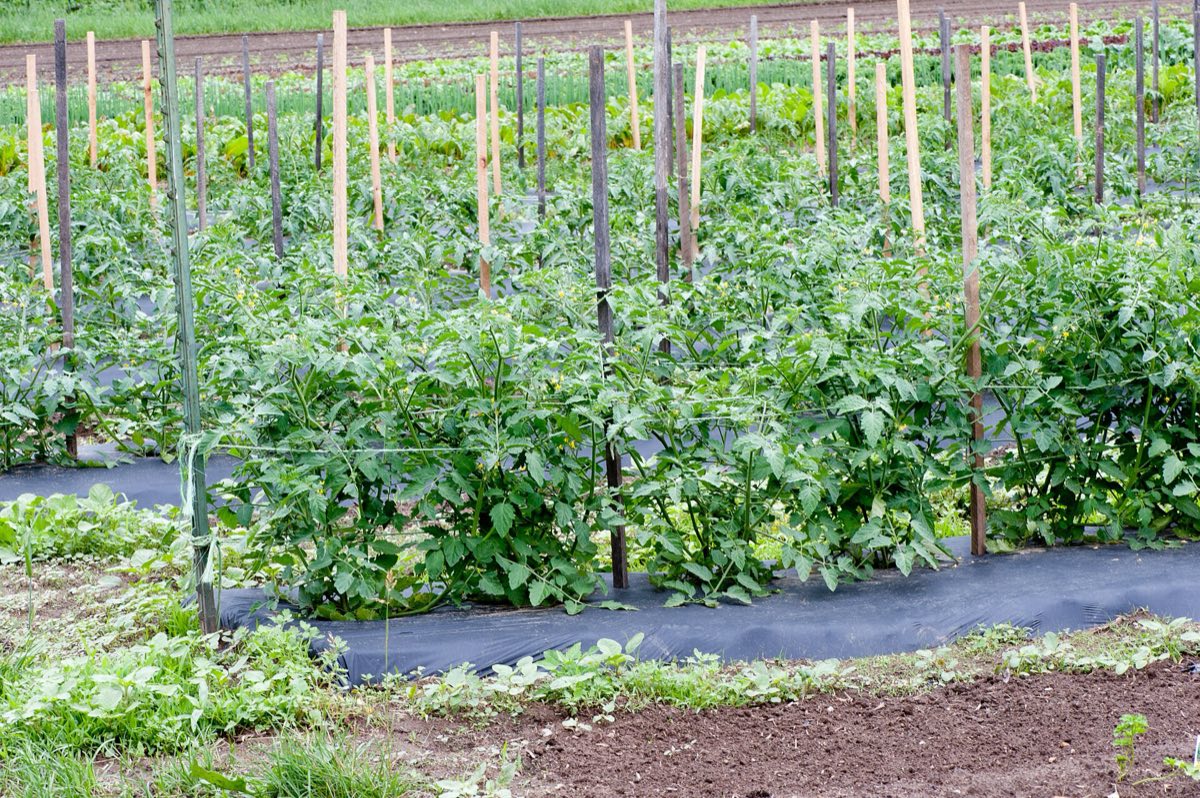
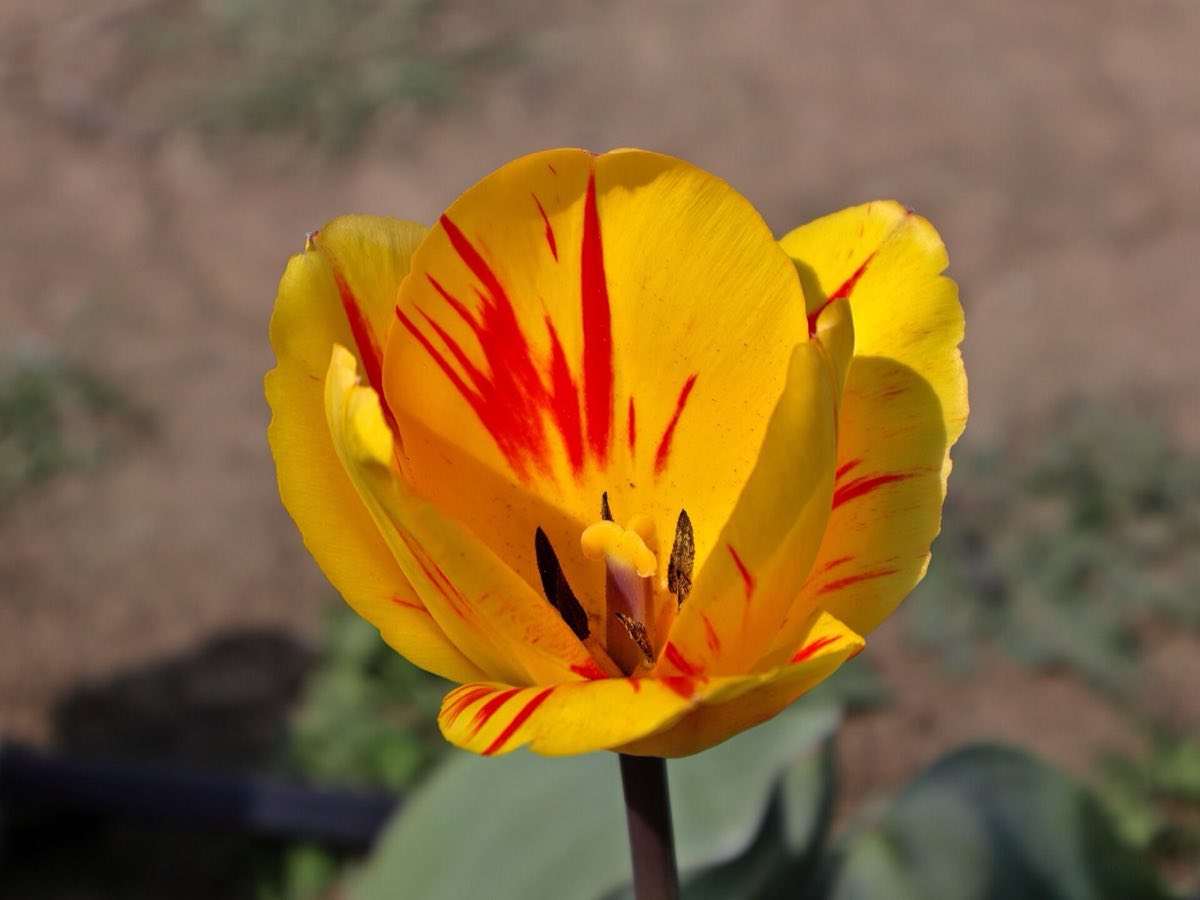
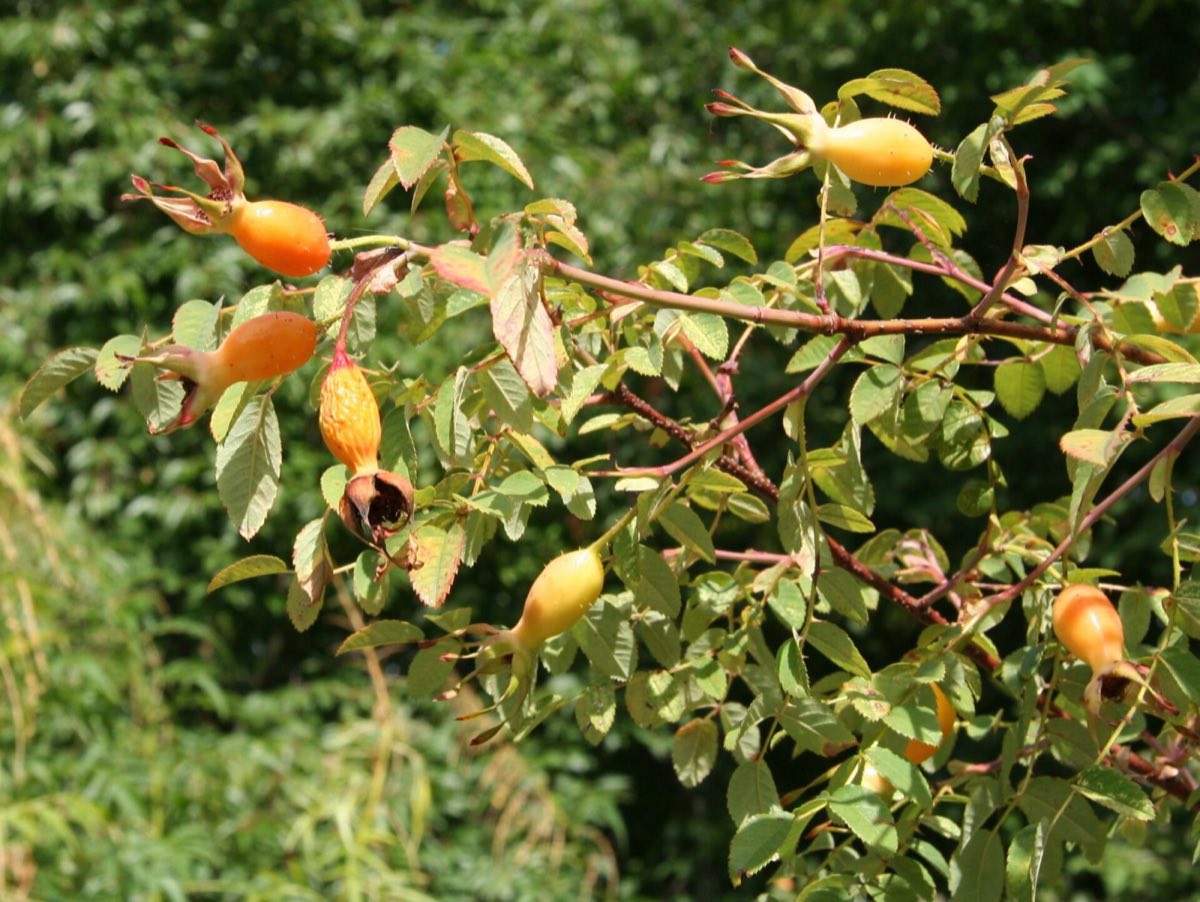
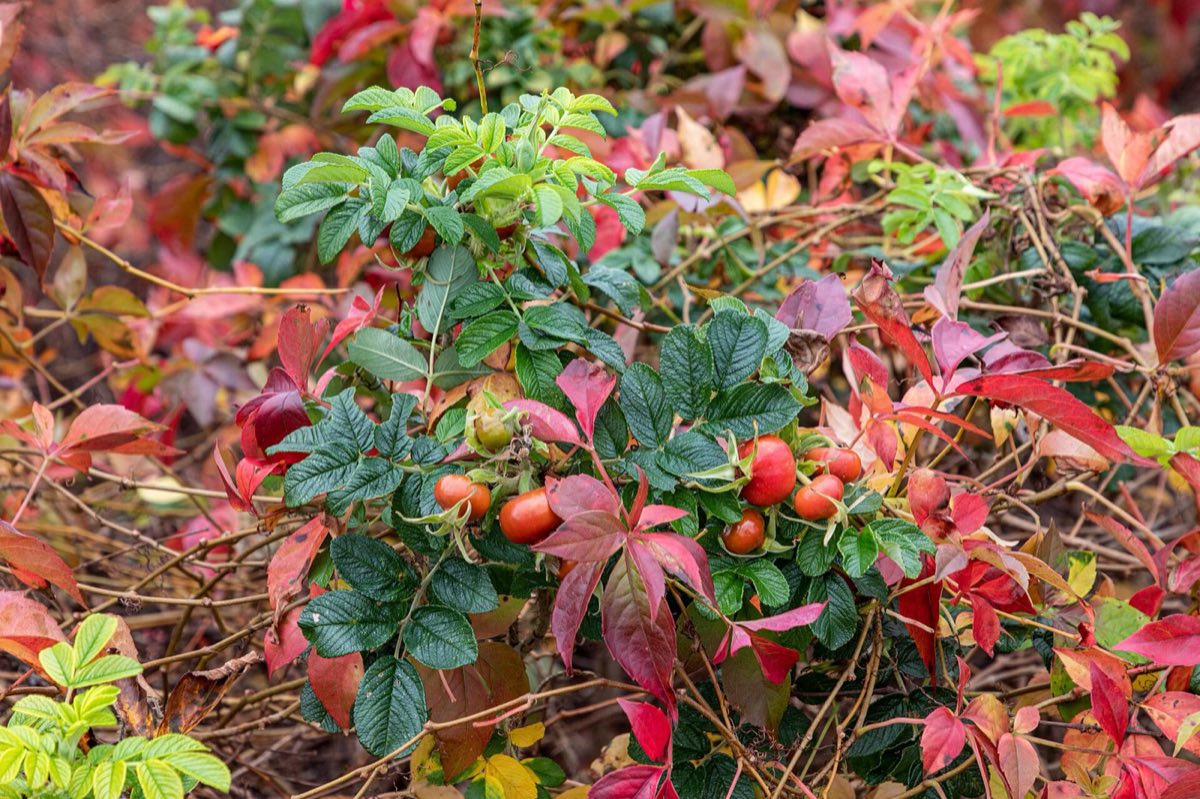
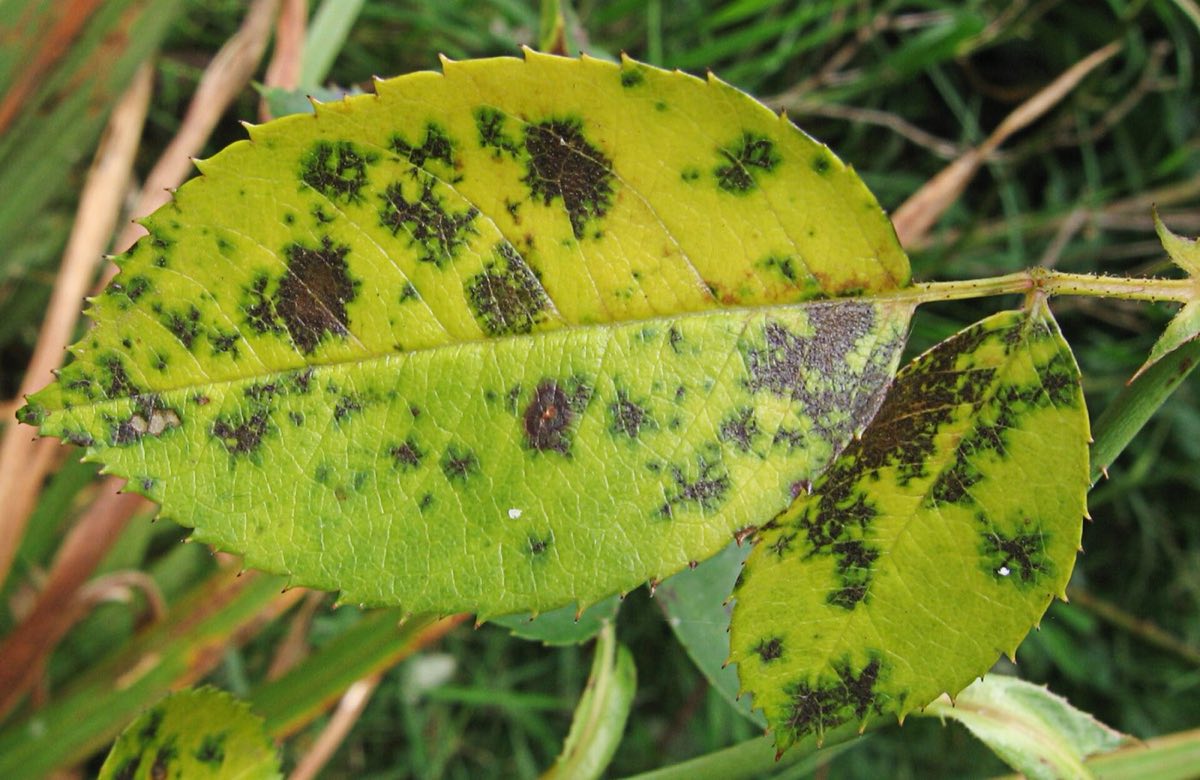
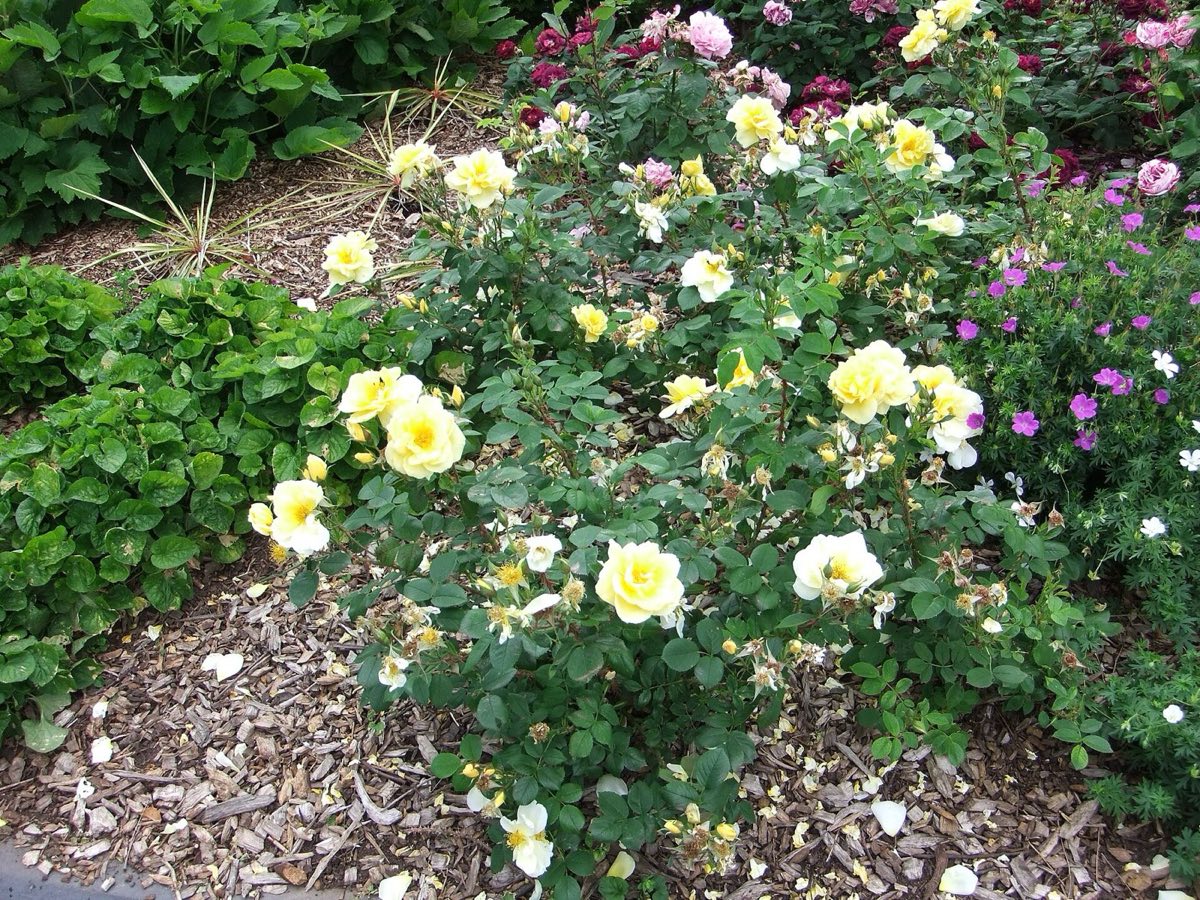
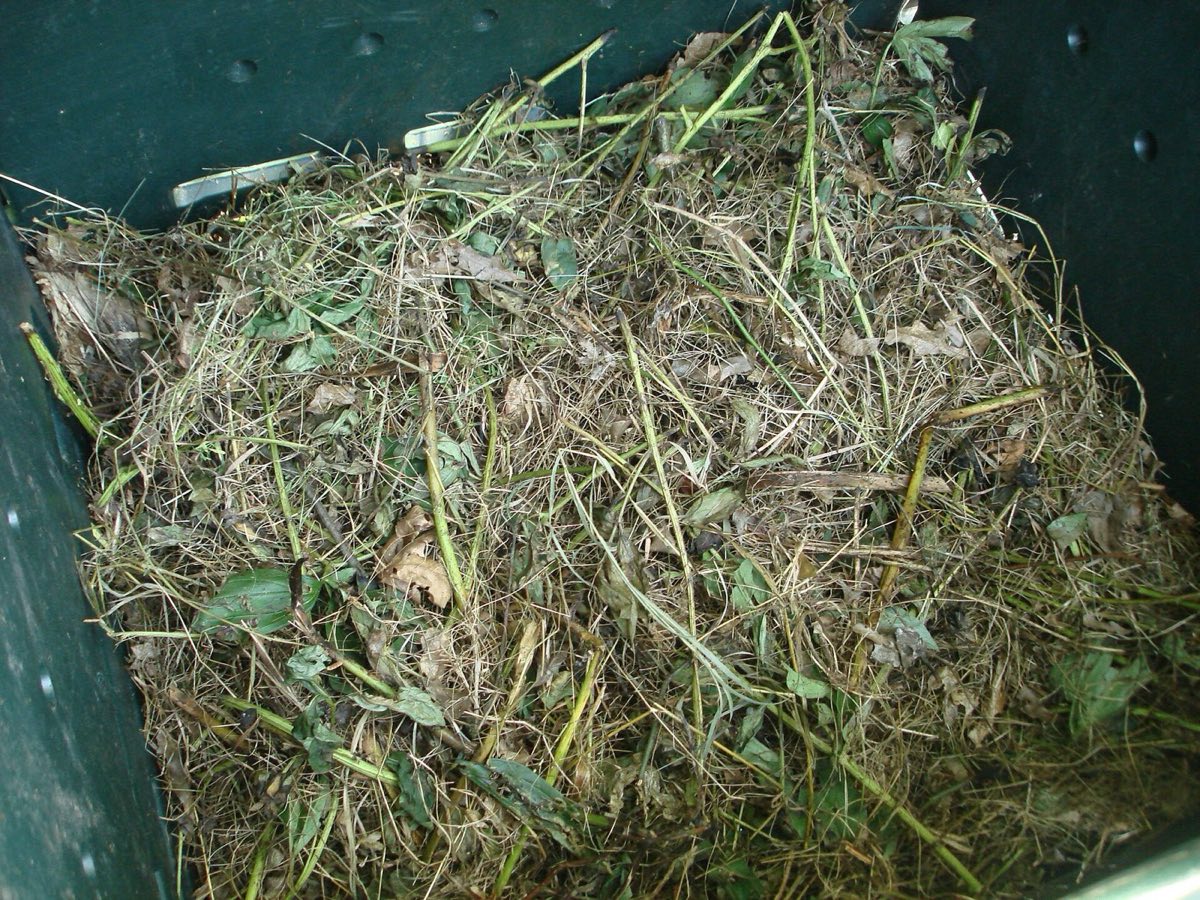
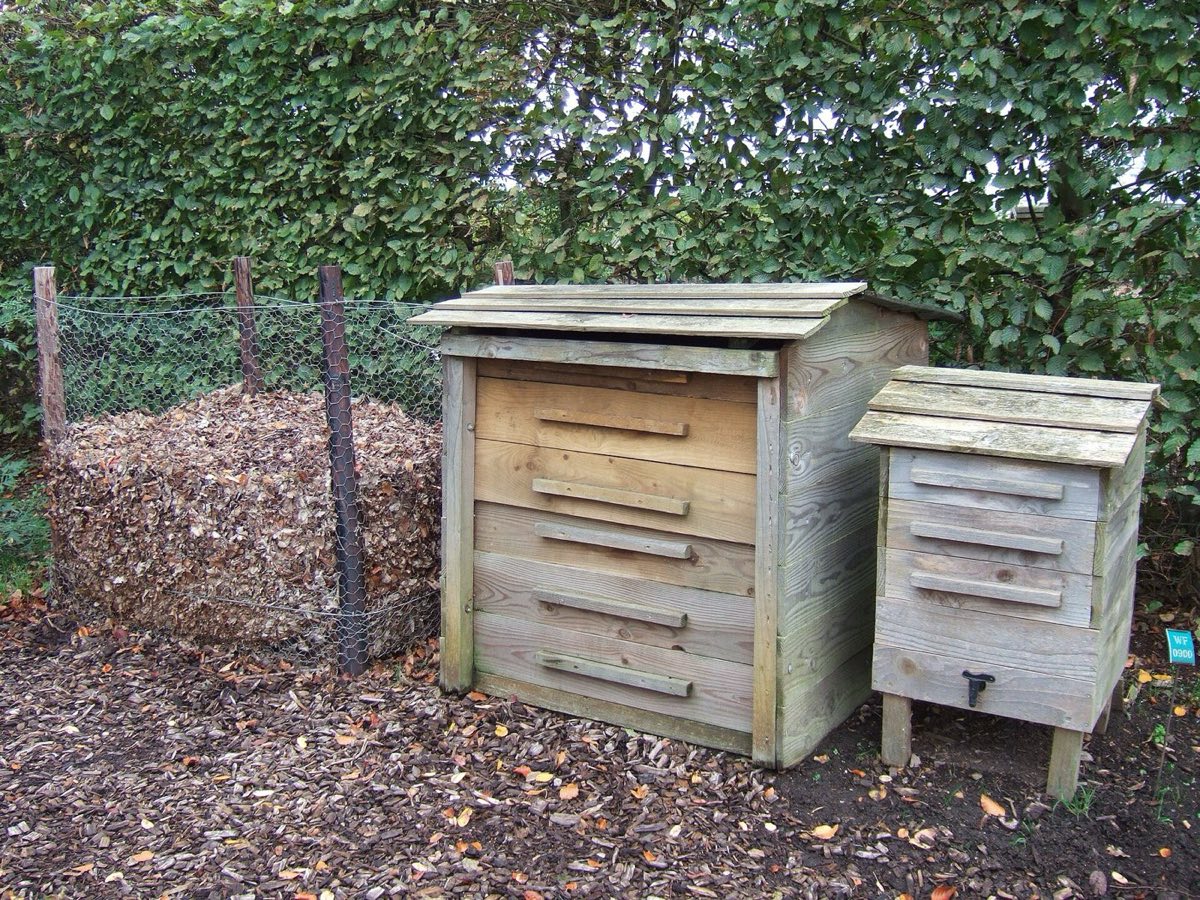
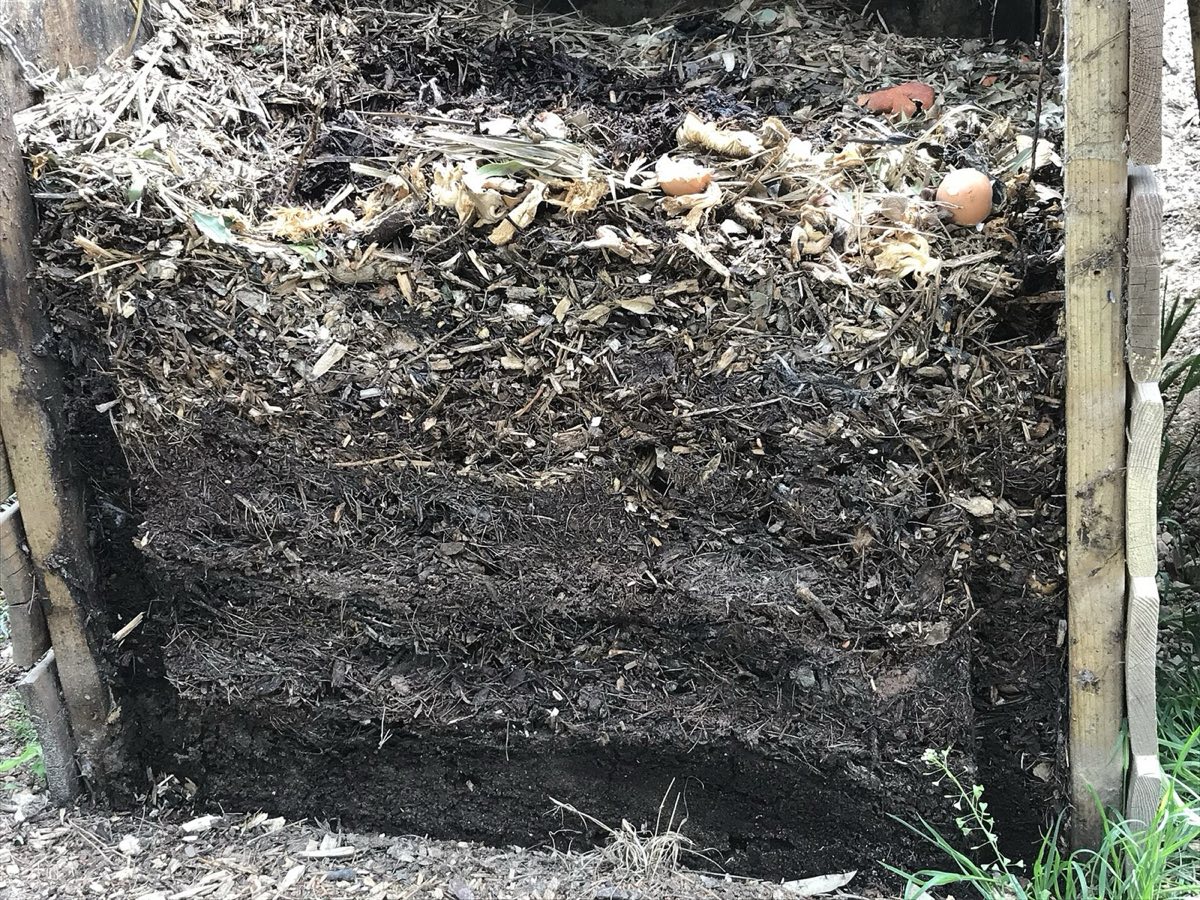
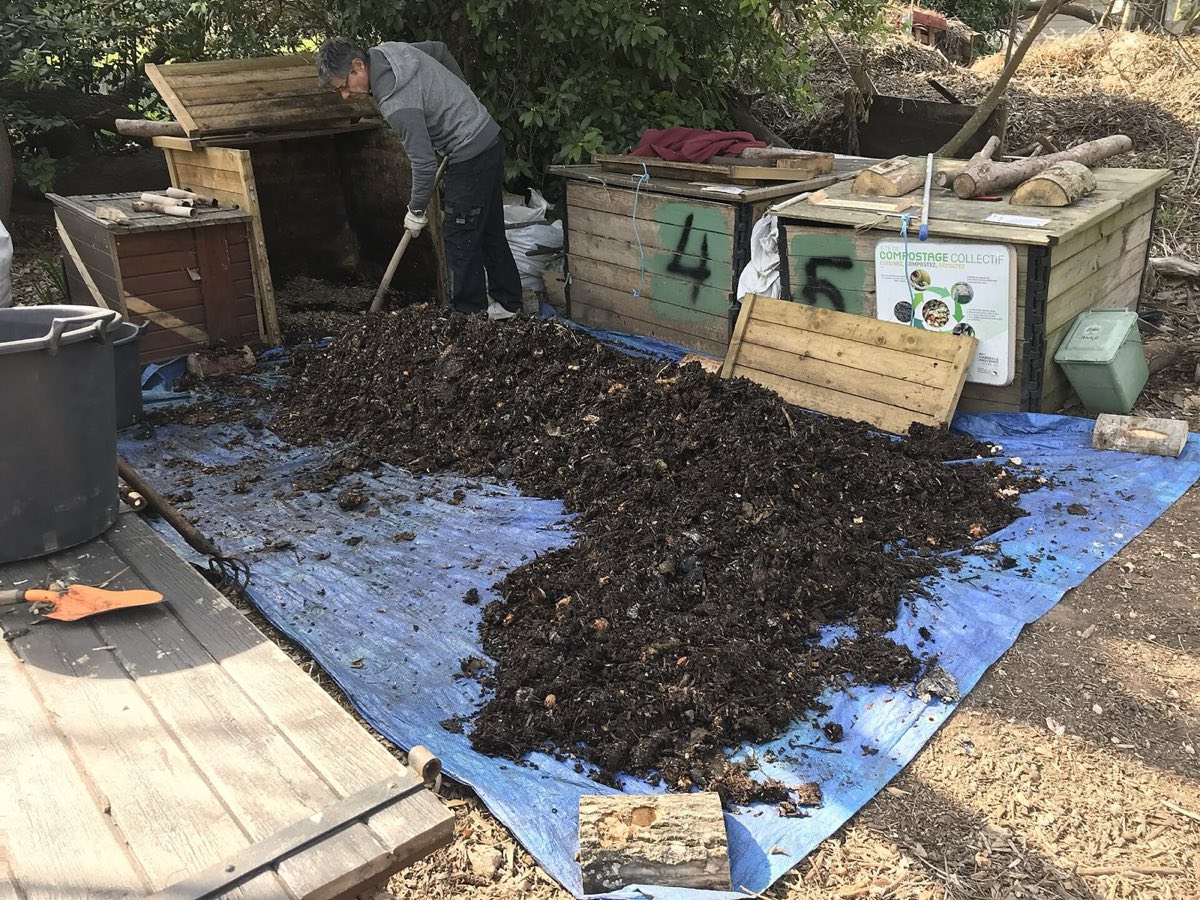
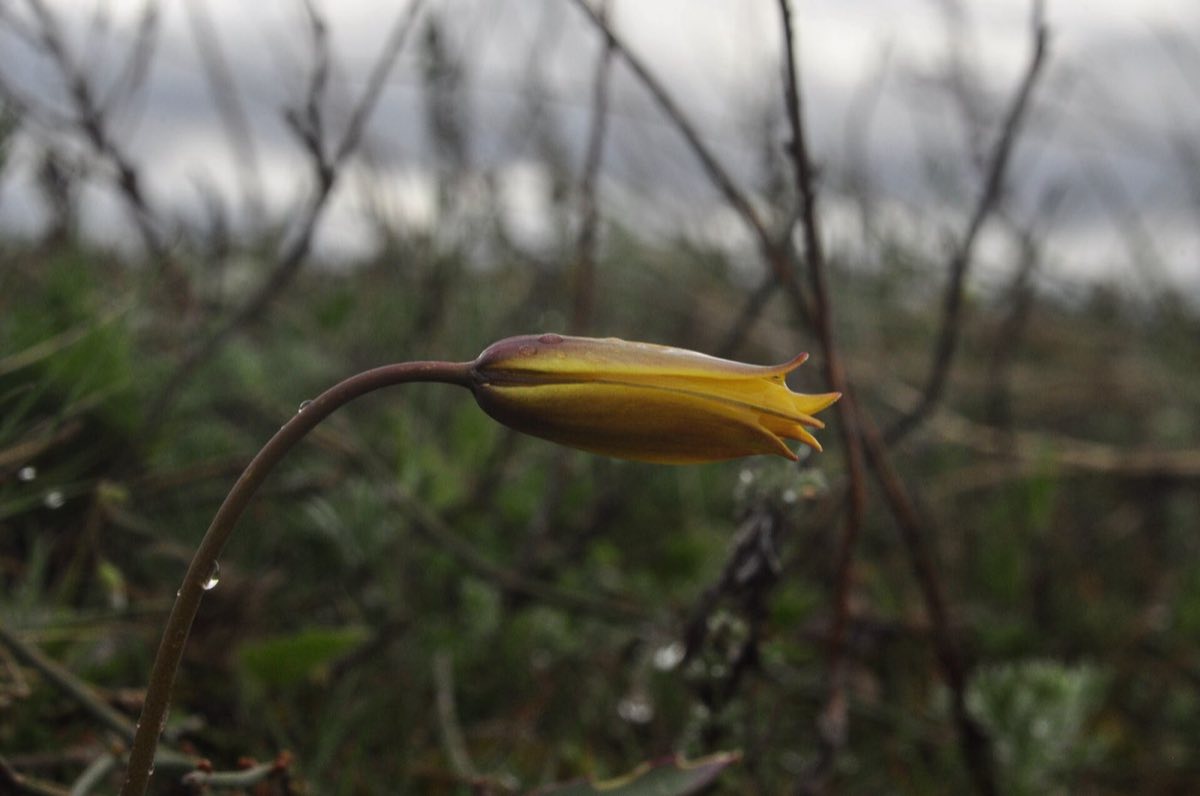
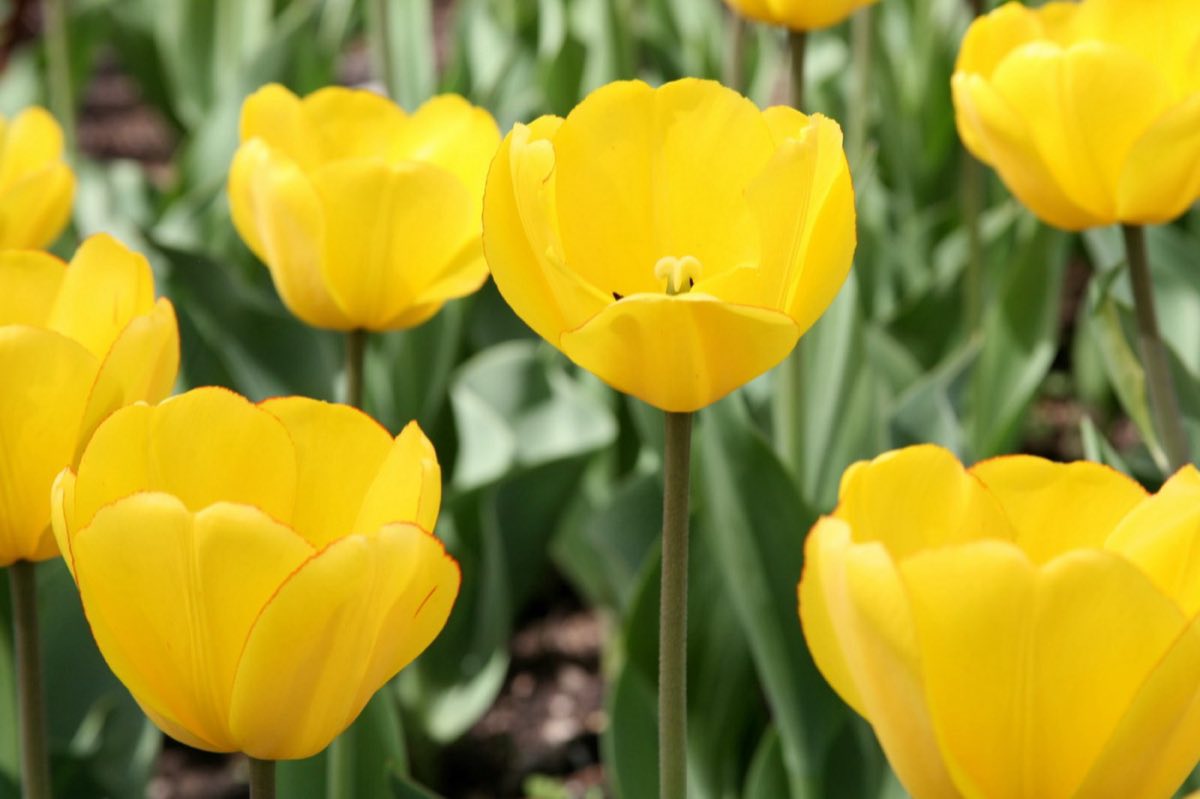
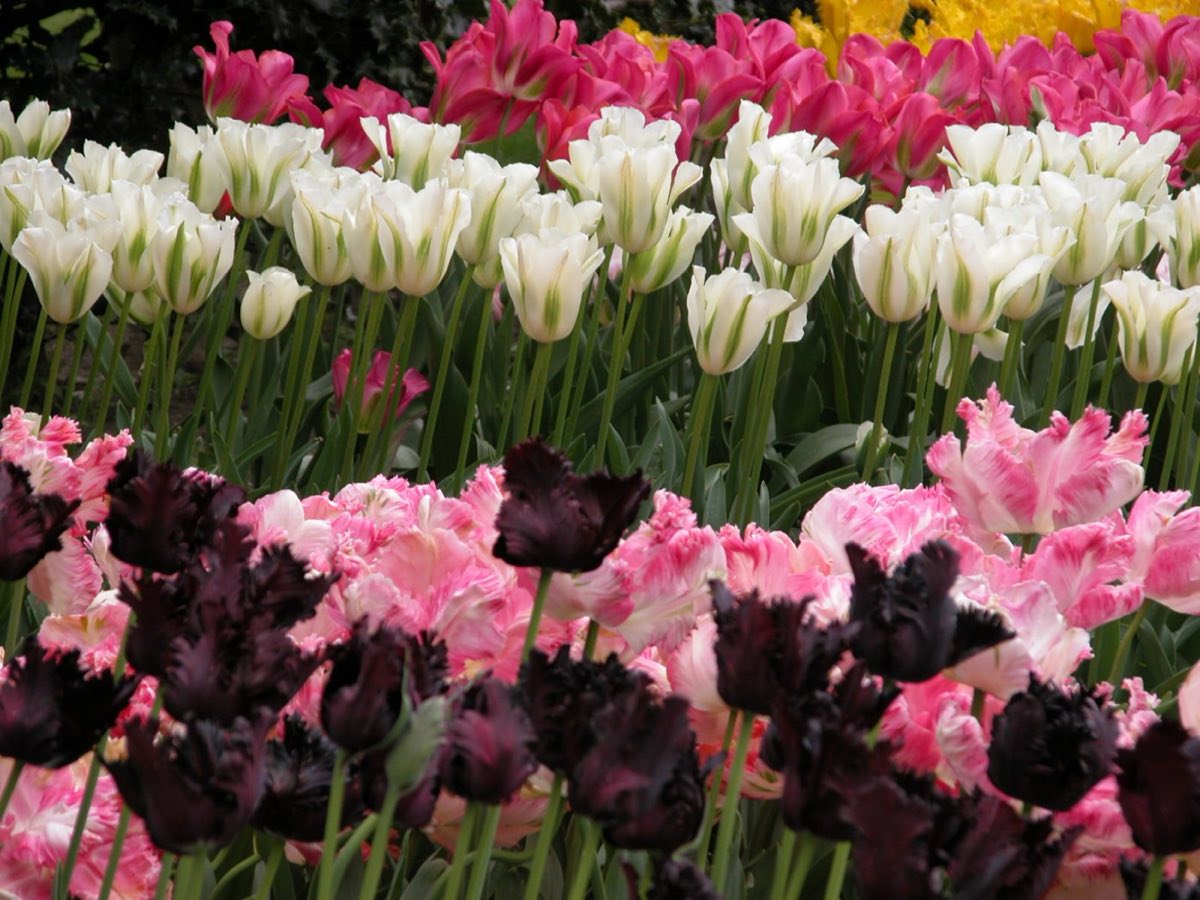
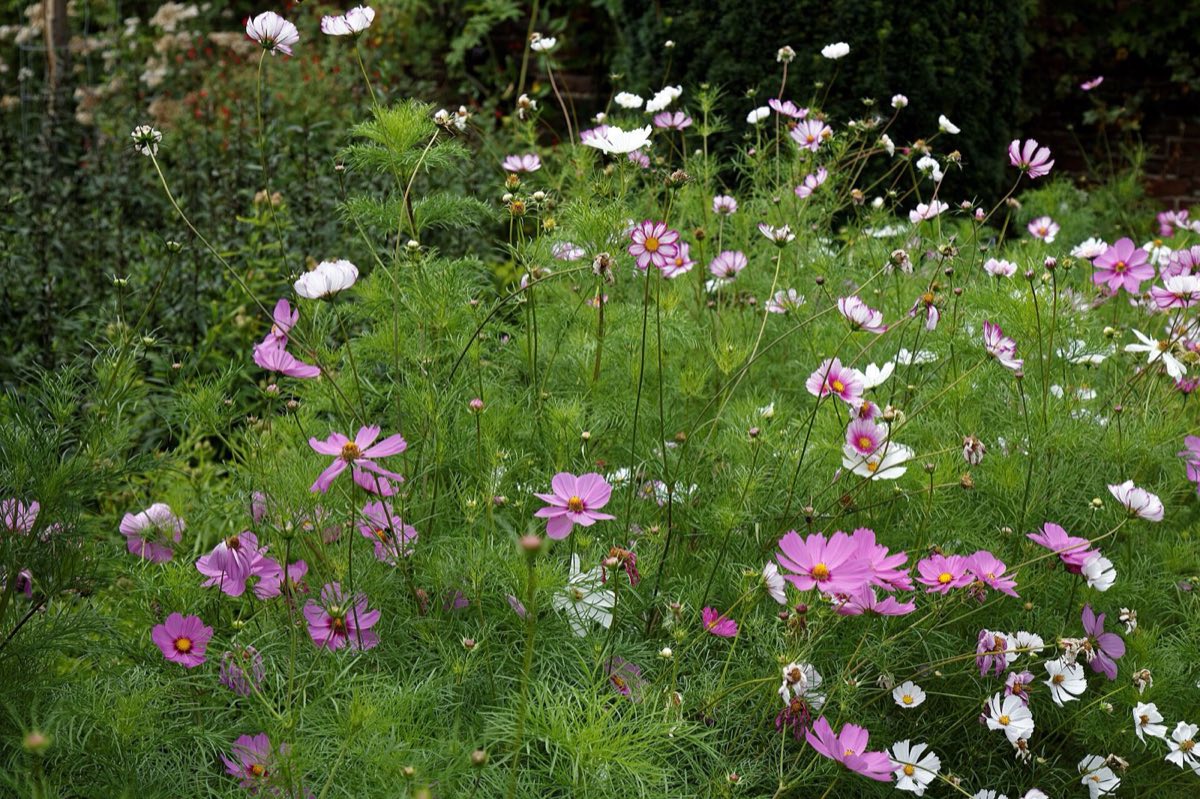
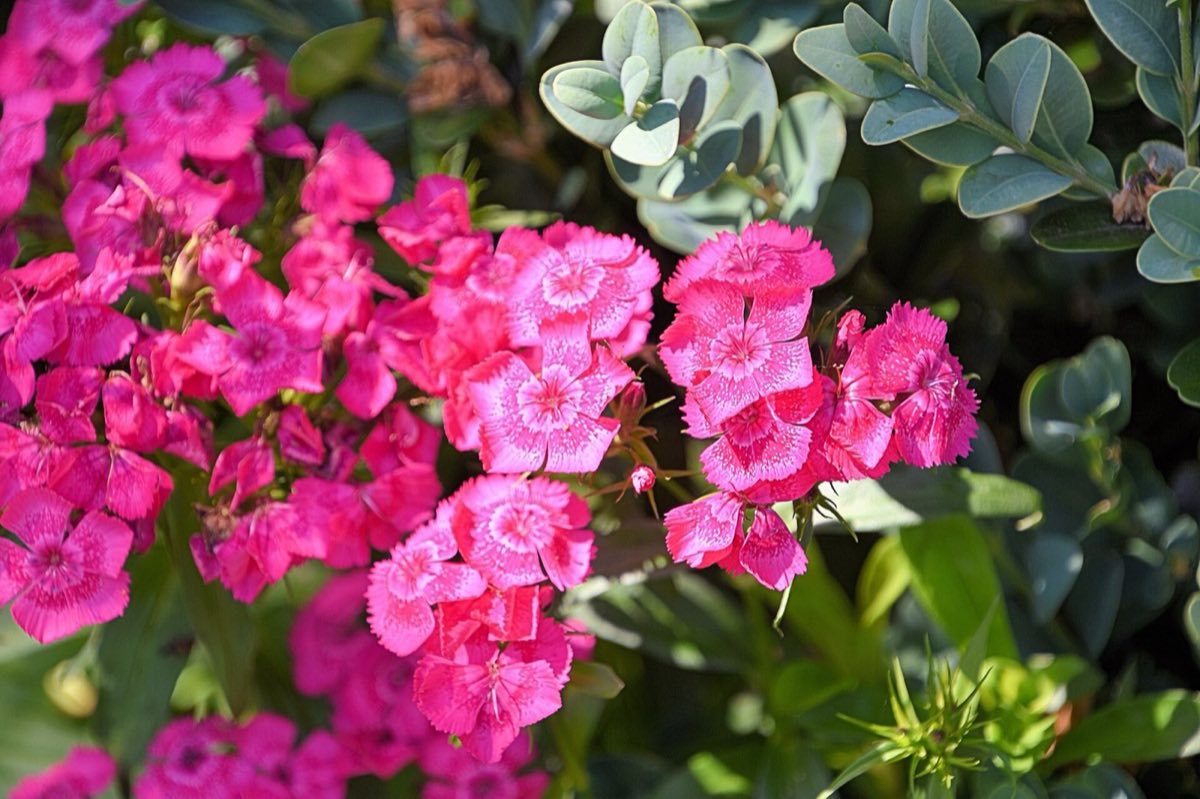
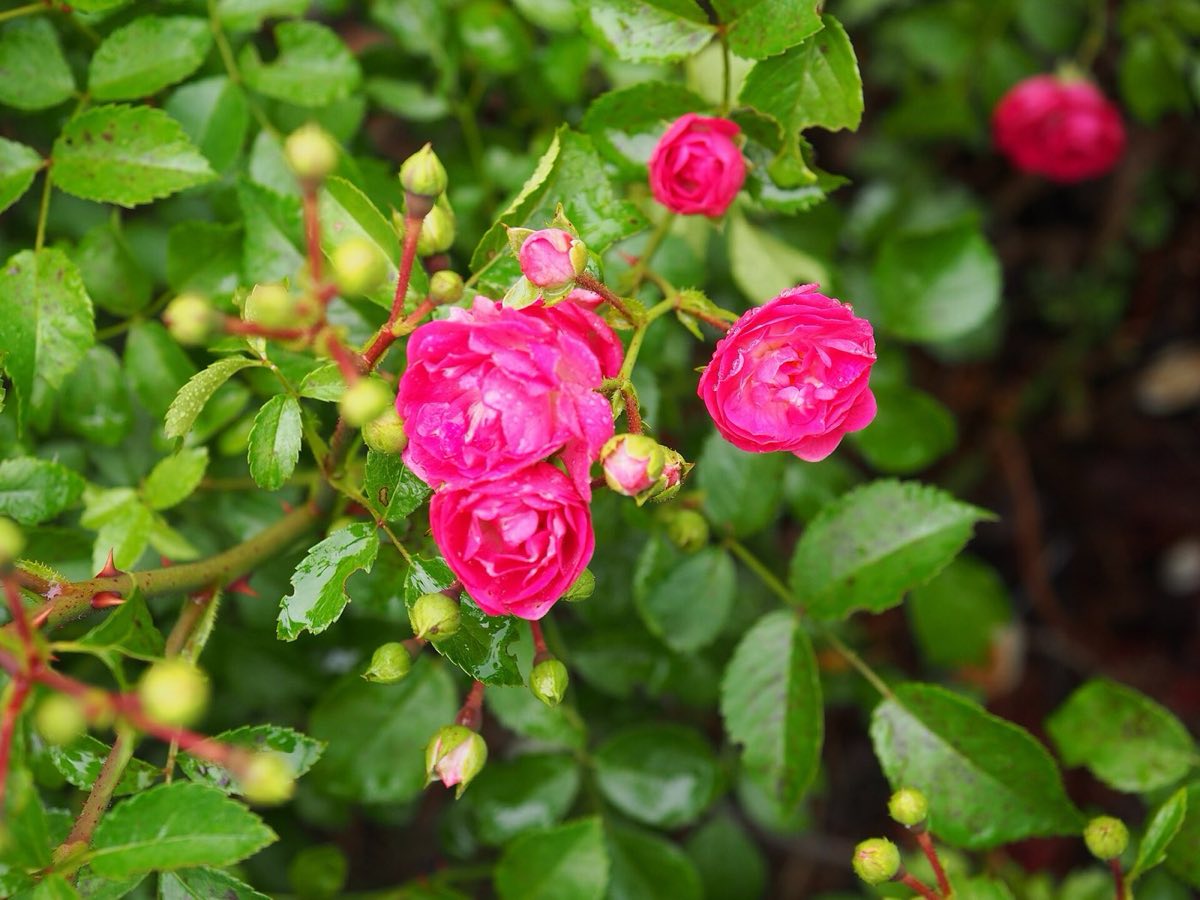
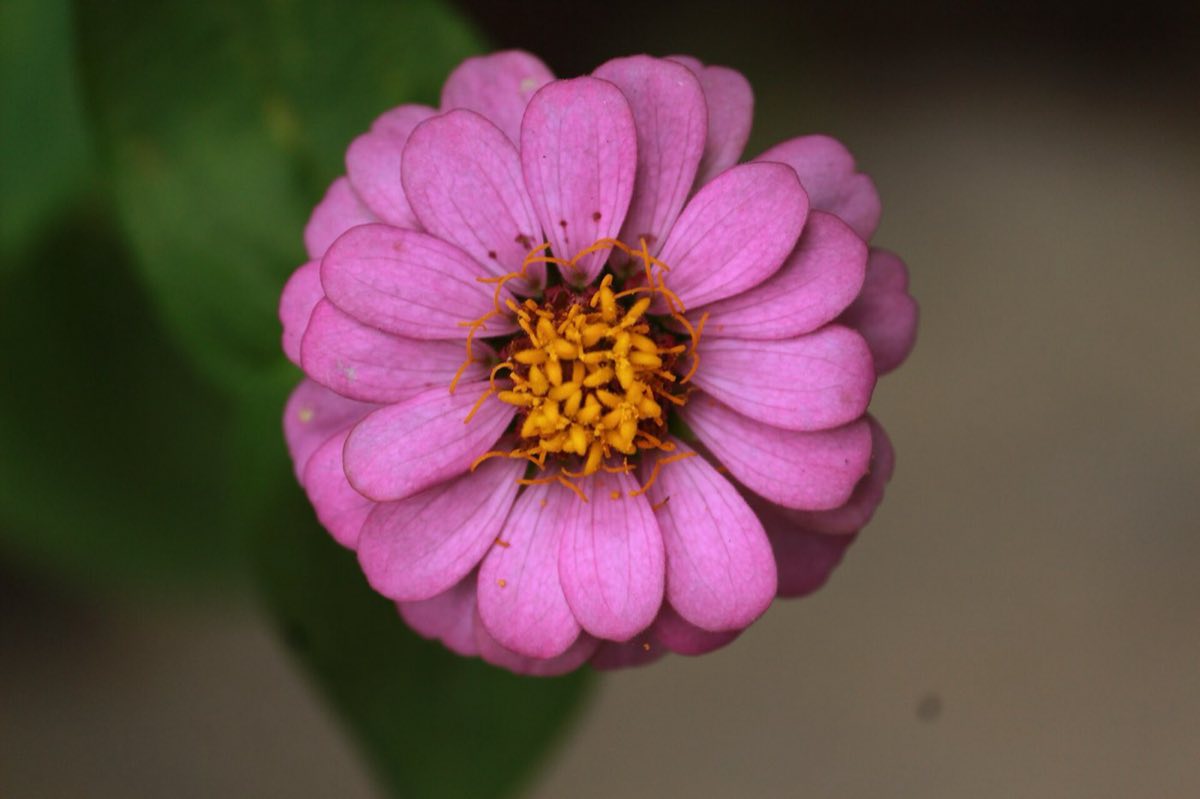
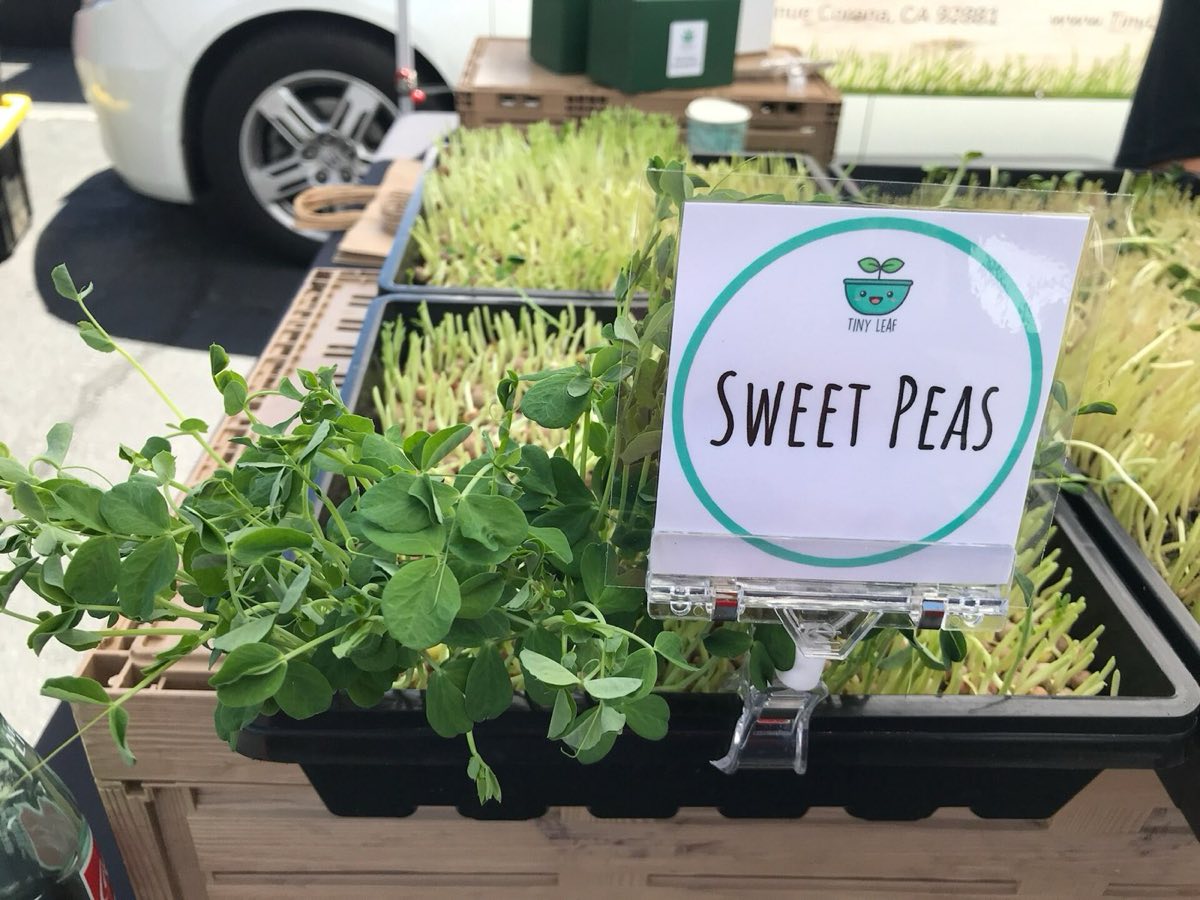
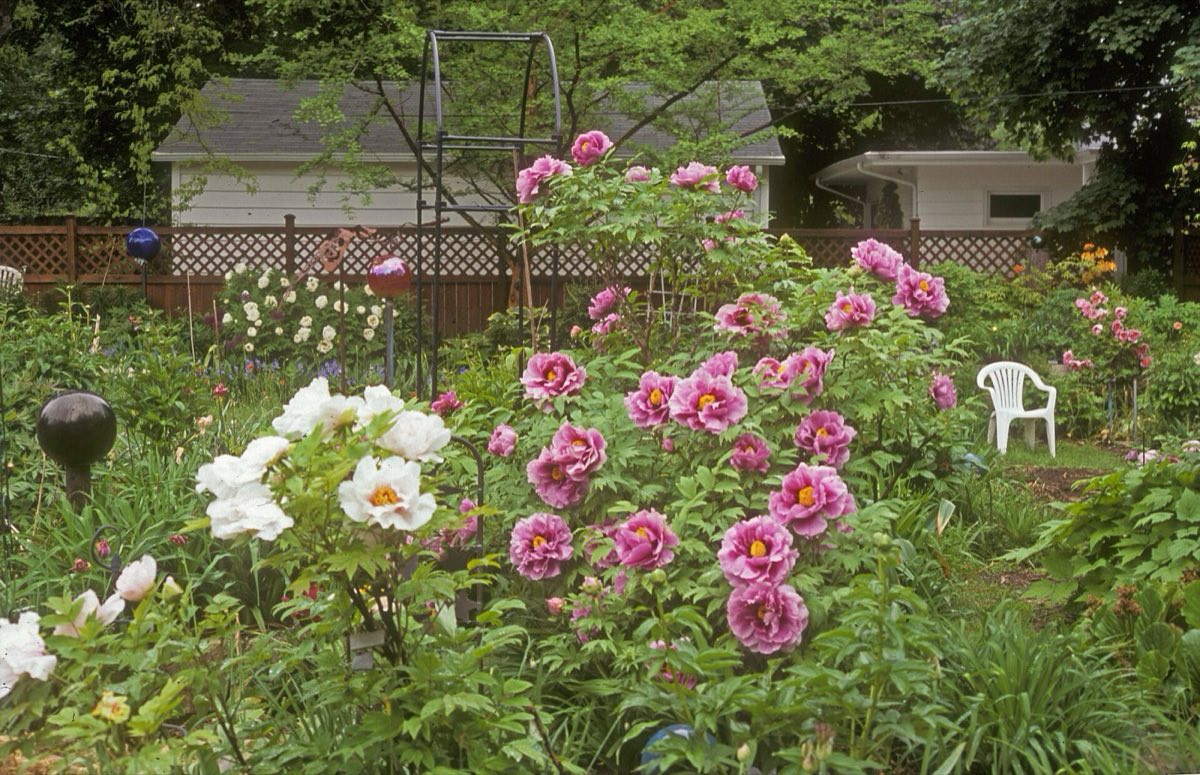
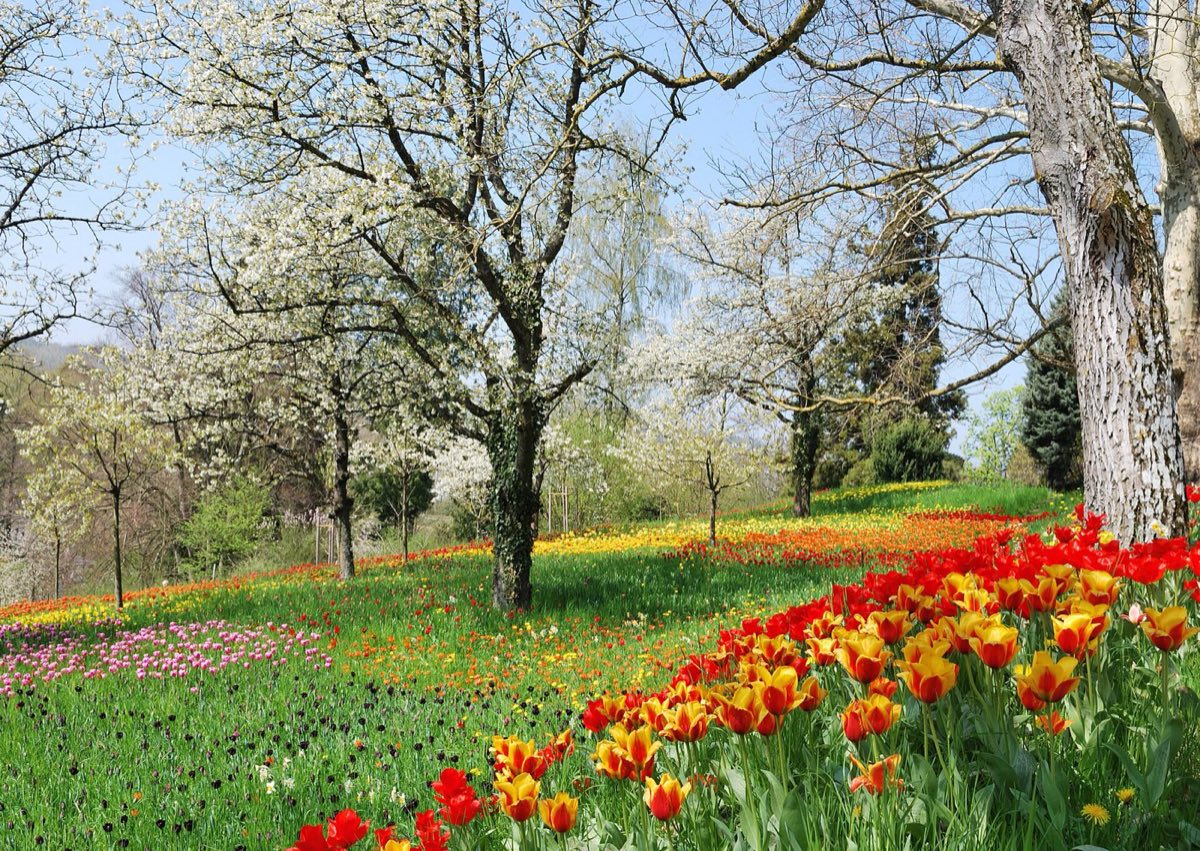
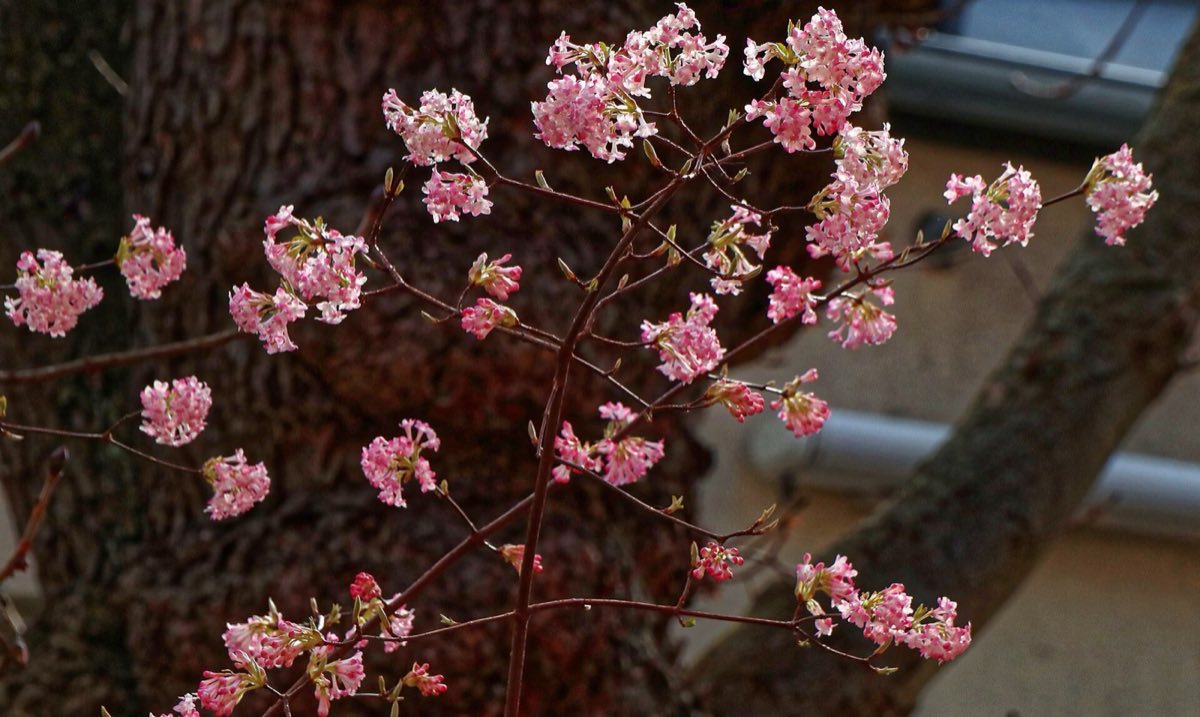
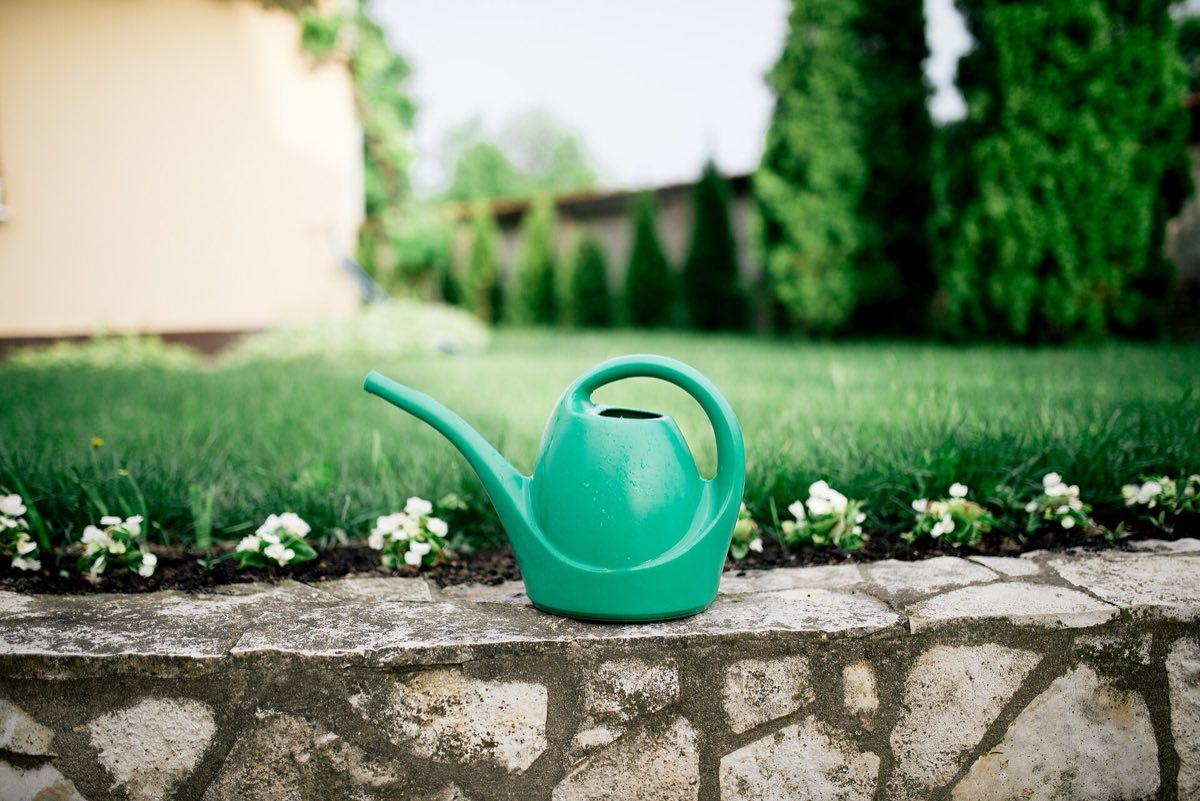
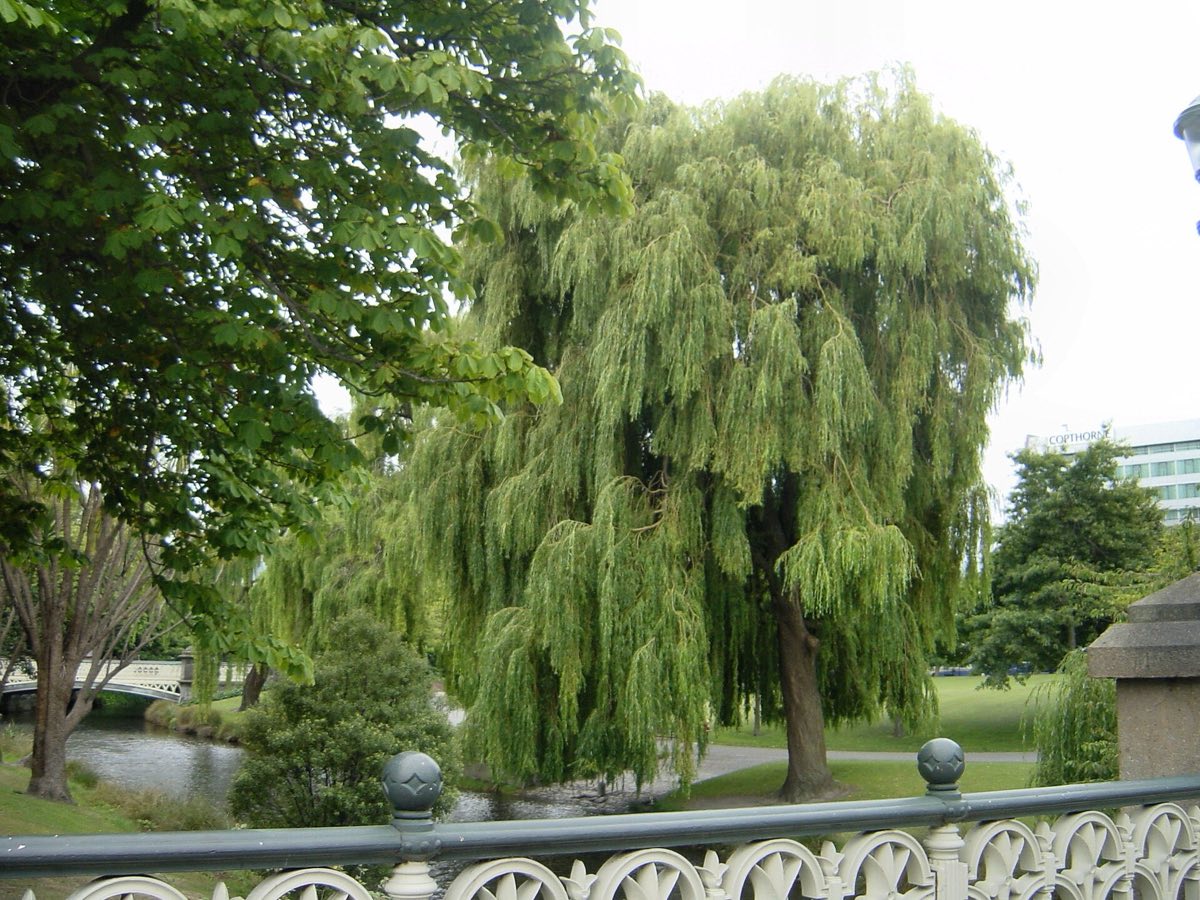
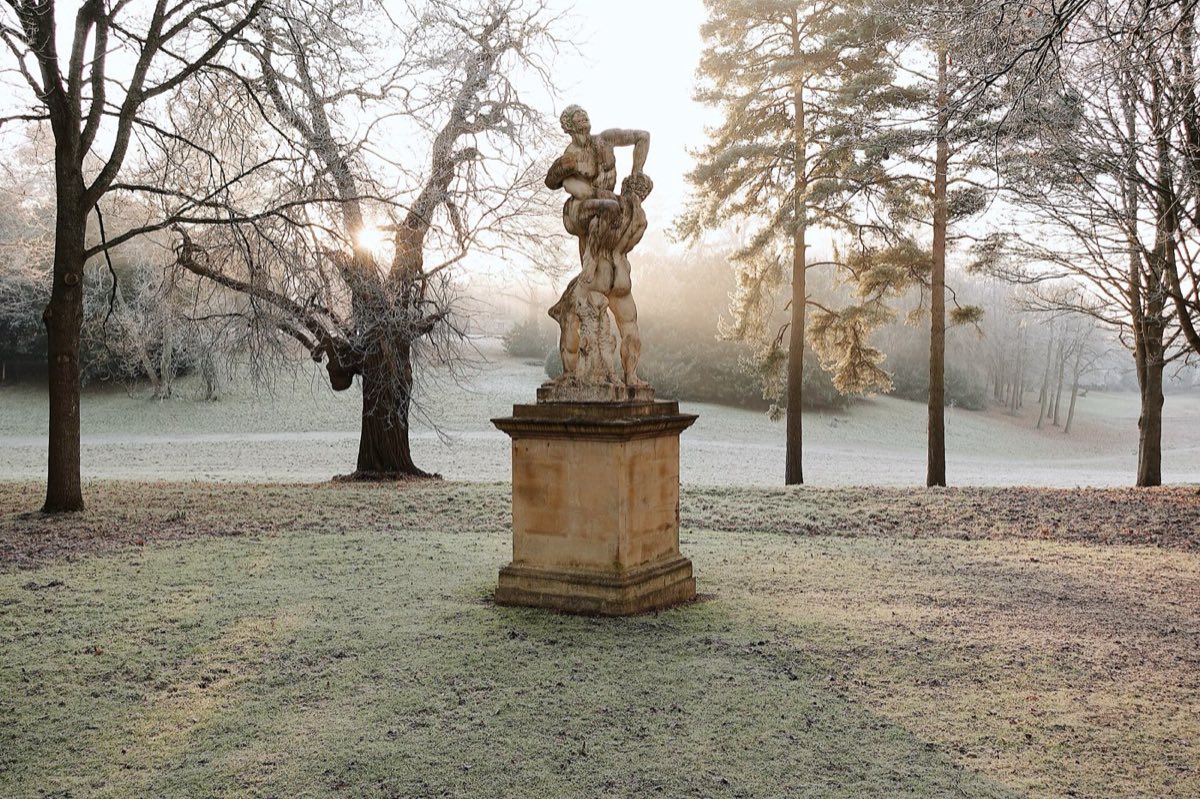
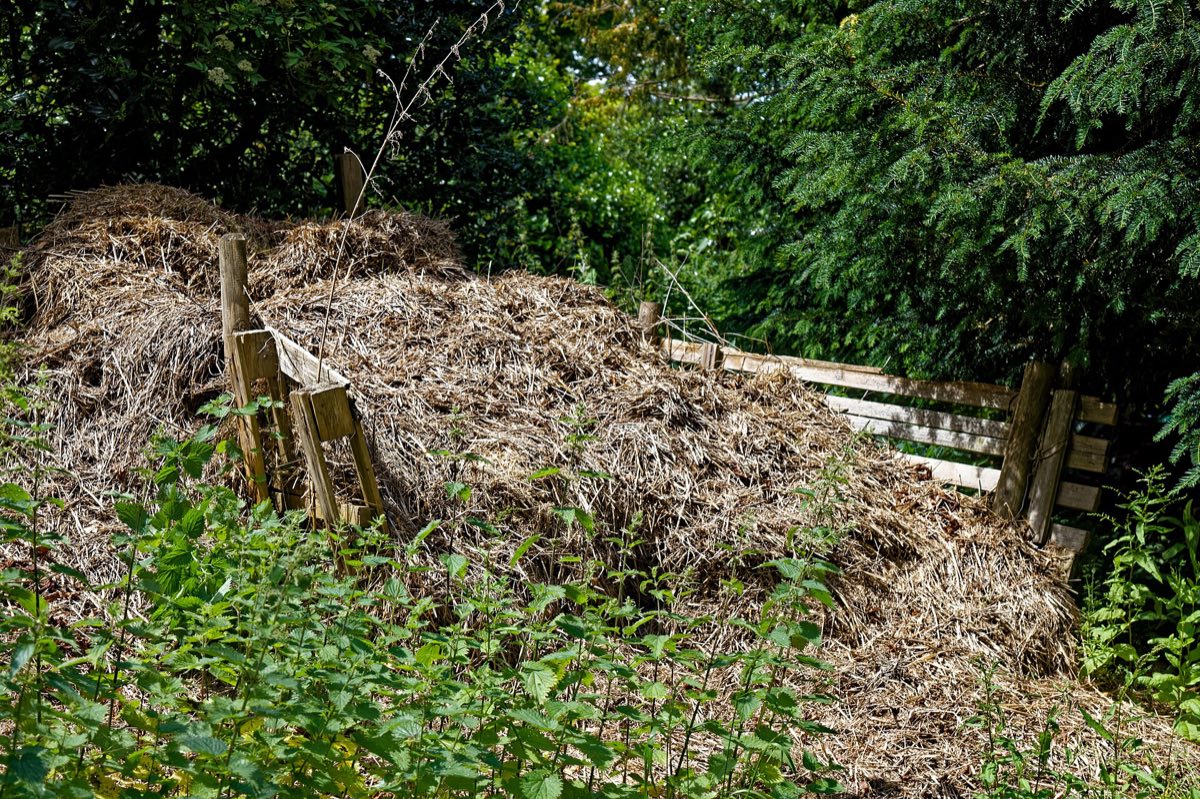


Images were resized for the web. Click a file name to see the original, its author and the full licence terms.