 Mayday Flowers
Flowers, season by season
This is a notebook about one flower garden and the year it lives through: hard frosts from late October, a slow thaw in April, a rush of growth in May and a long, generous summer. Everything here was learned by growing, losing and growing again, and it is written down so that the next season starts a little wiser than the last.
What this notebook is
Most garden advice is written for a mild climate where something flowers in every month and the ground rarely freezes deeper than a spade's blade. This notebook is not. It follows a garden where the soil can lock solid for weeks, where the last frost may still arrive in the first days of May, and where the growing season is short enough that every week of it counts. If you garden somewhere with real winters, you will recognise the rhythm: long patience, then a sudden crowd of jobs, then a summer that seems to pass in a single breath.
The pages are organised in two ways. The seasonal pages walk through the year in order and describe what is flowering, what needs doing and what tends to go wrong at that point. The topic pages go deeper into single groups of plants, such as roses, peonies, bulbs and dahlias, and into the groundwork that holds everything together: soil, seed, pests and cutting flowers for the house. You can read it front to back like a book, or dip in when the garden asks a question.
Nothing here is sold, sponsored or recommended for any reason other than that it worked. Plants are described as types rather than by trademarked names, because a good pink peony with a strong scent is what matters, and cultivar names change with every catalogue. Where I give measurements they are metric and approximate, taken with a ruler and a thermometer rather than guessed. Where I am unsure, I say so.
There is also a quieter purpose. Gardens are made of memory as much as soil. Writing down when the first hellebore opened, which tulips came back and which did not, how cold it got in the second week of January, turns a vague sense of "it was a late spring" into something you can actually use. After a few years the notes start to show patterns, and patterns are what let you plan rather than react.
The garden it describes
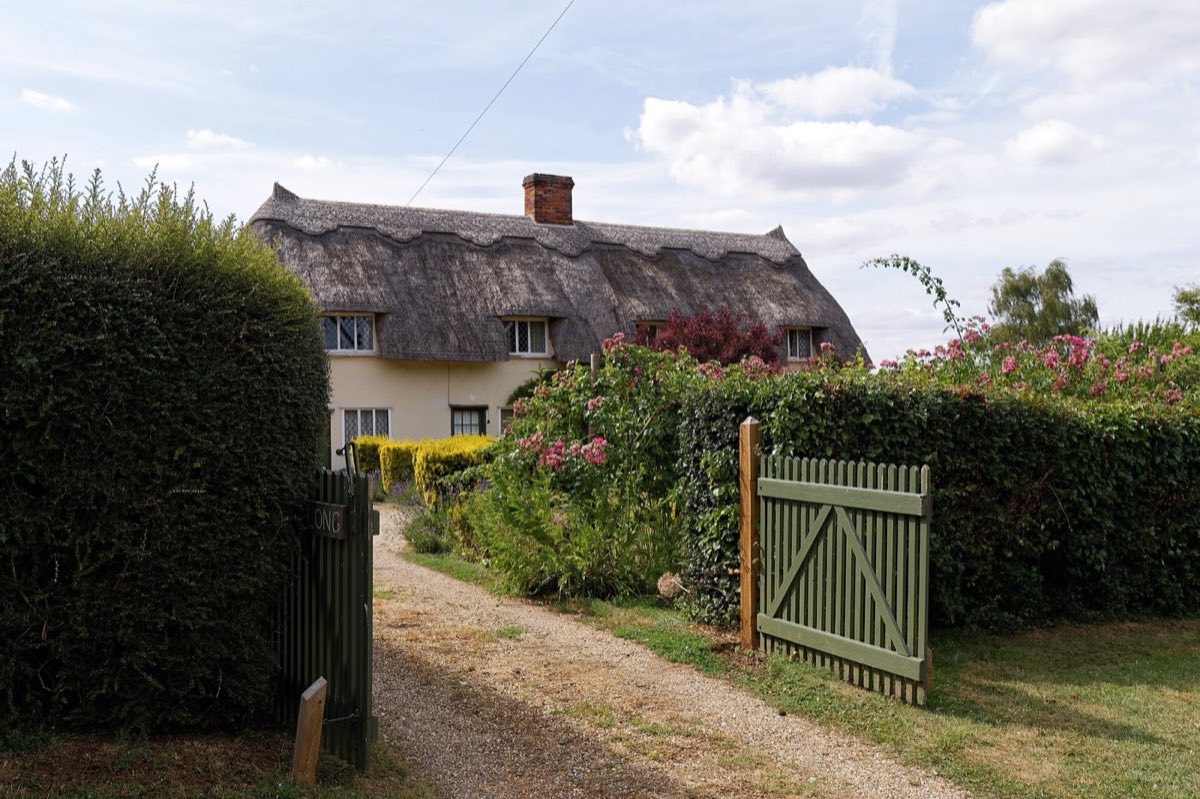
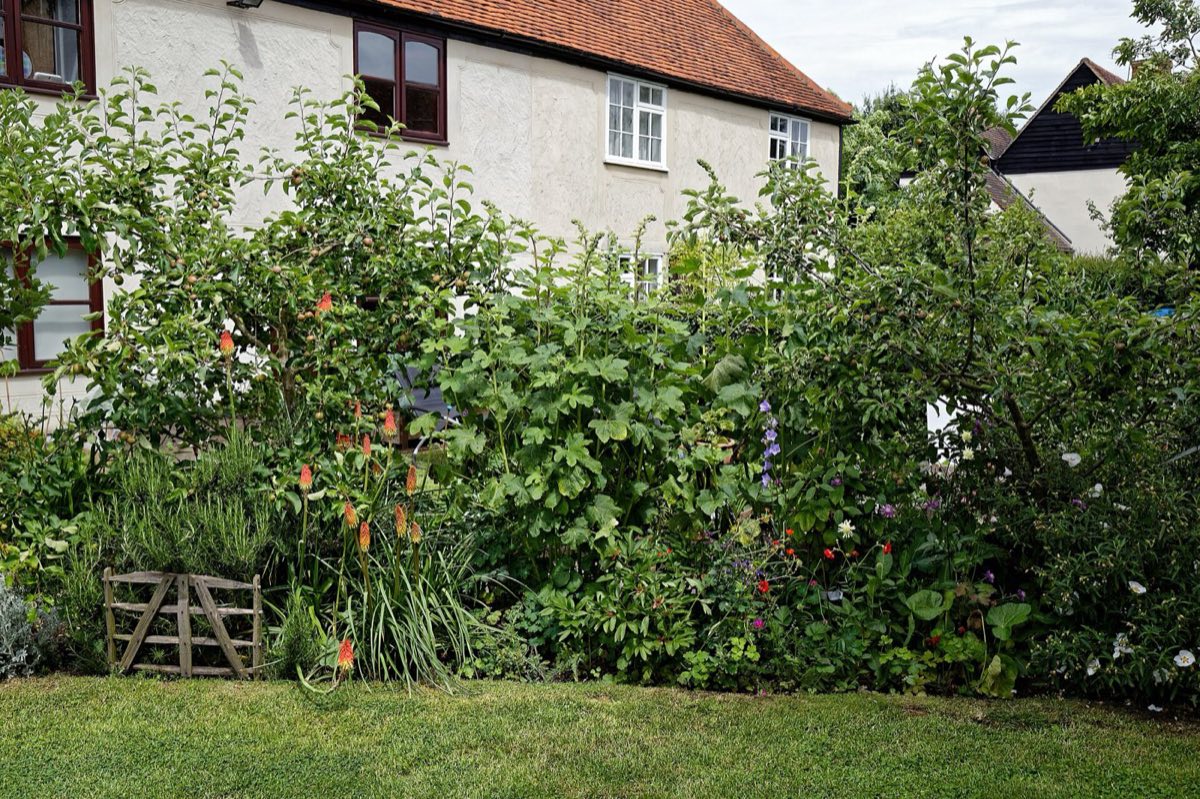
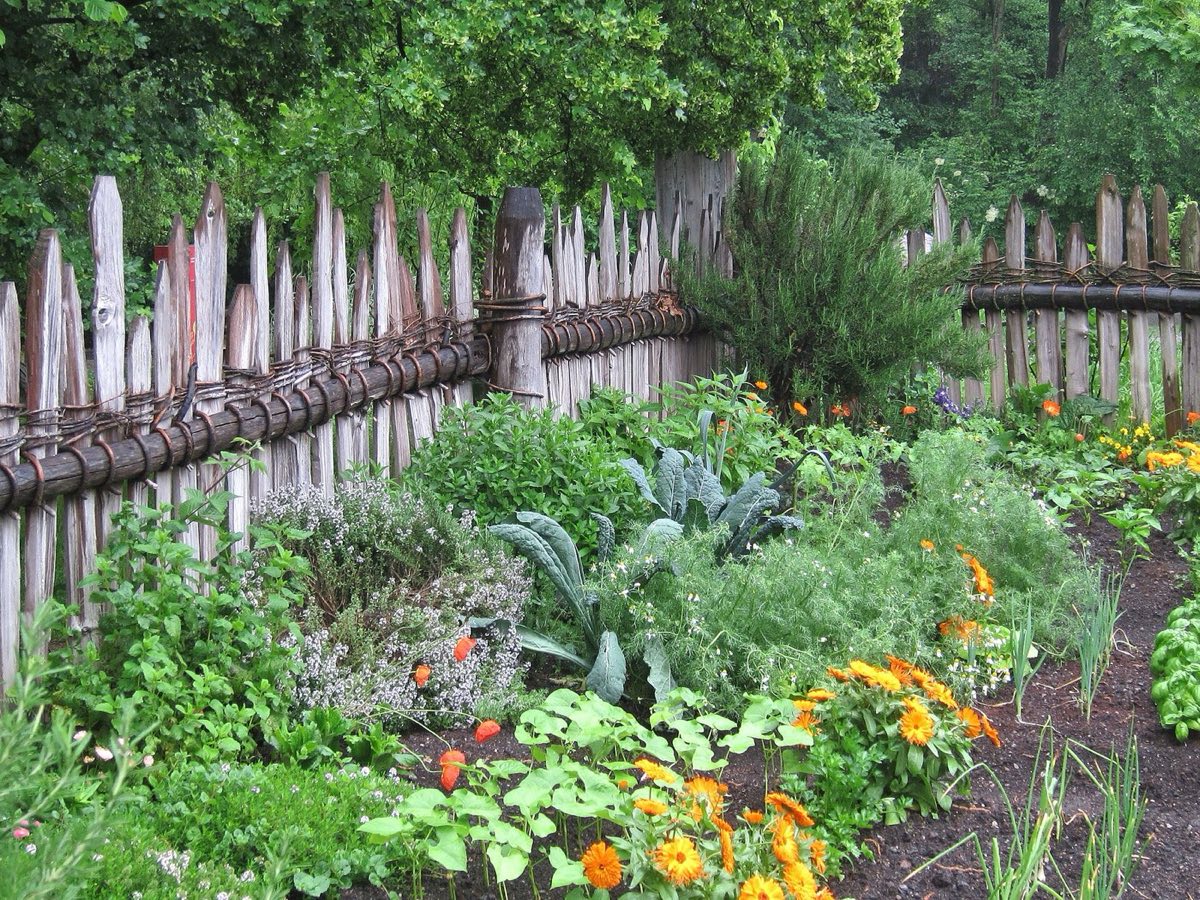
The garden is a cottage-style plot of modest size: a long main border running along a south-facing fence, a pair of island beds cut into the lawn, a small cutting patch at the far end, a shady strip under an old apple tree and a gravel area by the house where pots and tender plants spend the summer. It is not a showpiece. Paths are grass or bark, edges are cut by hand and several beds are still being reshaped after a decade.
The soil is a medium loam over clay subsoil. Left alone it drains slowly in spring and cracks in a dry August, so most of the work over the years has gone into feeding it with compost and leaf mould until it crumbles in the hand. The pH sits close to neutral, which suits the great majority of border plants and means lime-haters like rhododendrons only grow in pots here.
Exposure matters more than anything printed on a plant label. The fence border gets sun from mid-morning until the evening and is the warmest place in the garden. The apple tree strip gets dappled shade in summer and full light in winter and early spring, which happens to be exactly what woodland bulbs and hellebores want. The island beds are open to the wind, so tall plants there need support by June.
The climate is the defining feature. Winters bring a steady run of nights at minus 10 to minus 15 °C, with colder snaps most years and a snow cover that comes and goes. The first air frost usually arrives in the second half of October and the last one somewhere between mid-April and early May. Summers are warm rather than hot, with daytime temperatures in the low to mid twenties, occasional heatwaves and dry spells that can last three or four weeks. Rain is spread through the year, but rarely when you want it.
All of this means the garden favours hardy perennials, shrubs and bulbs that can sit out the cold, plus a band of annuals and tender plants that are raised indoors and planted out once the frost risk has passed. That split between what stays and what comes and goes shapes the whole calendar.
How the year unfolds in flowers
A cold-winter garden does not drift from one season to the next. It moves in clear stages, each one triggered by soil temperature and day length rather than the date on the calendar. Learning to read those stages is more useful than any planting chart.
The waking
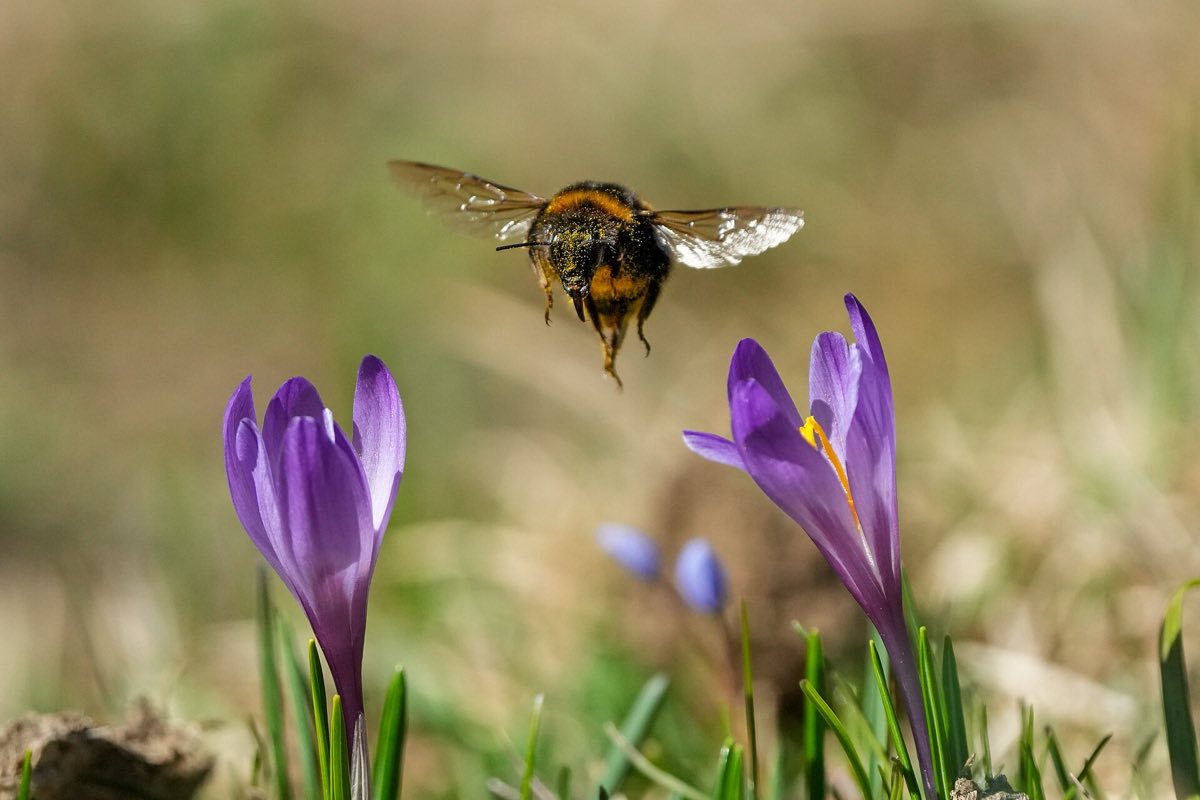
The year begins under snow. Snowdrops and winter aconites push up as soon as the ground thaws for a few days, often in March, sometimes in late February in a mild year. They are followed by crocuses, early irises and the first hellebores. These plants are small, close to the ground and remarkably tough; a hard frost after they open will flatten them for a morning, then they recover by noon.
The bulb wave
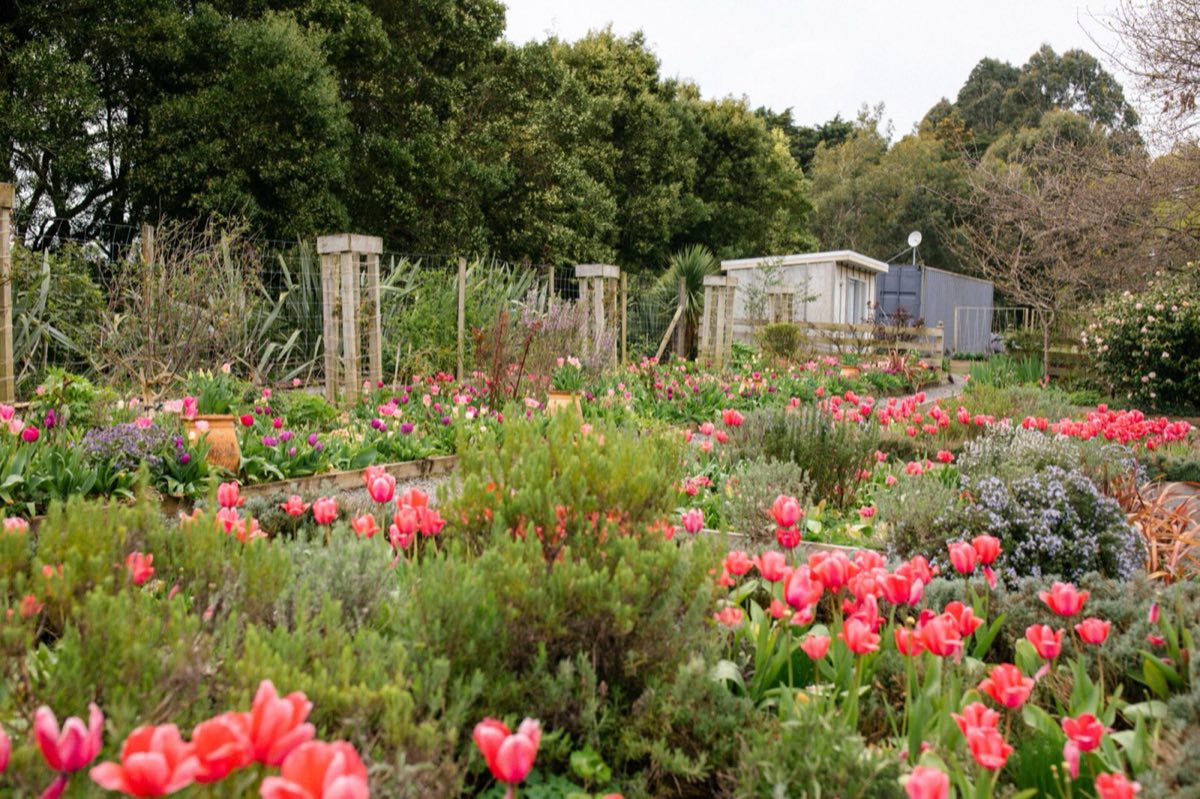
From mid-April the bulb display builds quickly: scillas and chionodoxas in blue drifts, daffodils in every shade of yellow and cream, then tulips. At the same time forsythia lights up the shrubs and the first primroses open in the shade. This is the season when the garden looks most like the pictures in books, and also when a late frost can do the most damage to soft new growth.
The great rush of May and June
Once the soil warms past about 10 °C, perennials grow at astonishing speed. Lilac, lily of the valley and bleeding heart flower in May. Peonies, irises, lupins and foxgloves follow in June, together with the first flush of old shrub roses. In a few weeks bare soil becomes a full border. Most of the year's planting, sowing and staking is squeezed into this period.
High summer
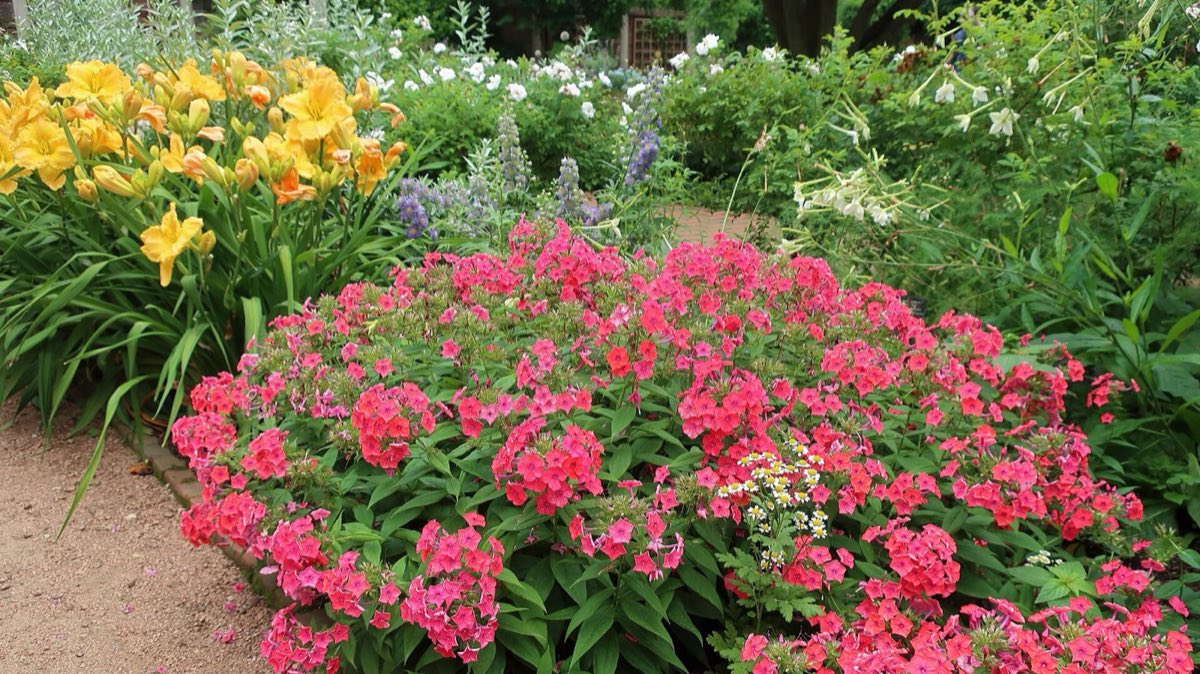
July and August belong to the sun lovers: delphiniums, phlox, echinacea, lavender, salvias, and the annuals raised in spring, such as cosmos, zinnias, sunflowers and sweet peas. The work shifts from planting to maintaining: watering, deadheading, cutting and keeping on top of disease in warm, humid spells.
The long autumn
September brings asters, rudbeckias, sedums and Japanese anemones, and the dahlias reach their best. Colours deepen and the light turns gold. Then, usually in the second half of October, the first proper frost blackens the dahlias overnight and the year turns. What follows is a season of tidying, planting bulbs, collecting leaves and putting tender plants to bed.
Rest
From November to February the garden is mostly structure: hedges, seed heads, evergreen leaves, bark and frost. It is not empty, but it is quiet, and it is the season for planning, ordering seed, cleaning tools and reading back through the notes.
The four seasons at a glance
Each season has its own page with plant profiles, timings and a full list of jobs. Here is what you will find in each, and the questions each one tends to answer.
| Season | Roughly when | Main flowers | Main work |
|---|---|---|---|
| Spring | March to May | Snowdrops, crocuses, hellebores, daffodils, tulips, primroses, lilac, bleeding heart | Clearing old growth, sowing indoors, hardening off, guarding against late frost |
| Summer | June to August | Peonies, irises, lupins, roses, delphiniums, phlox, lavender, annuals | Planting out, staking, watering, mulching, deadheading, summer pruning |
| Autumn | September to November | Asters, rudbeckias, sedums, anemones, chrysanthemums, dahlias | Planting bulbs, dividing perennials, saving seed, lifting tender plants |
| Winter | December to February | Hellebores in bud, winter jasmine, evergreen structure, seed heads | Protection, planning, tool care, ordering seed, checking stored tubers |
Spring
The spring page covers the long stretch from the first snowdrop to the last frost. It goes through the early bulbs in the order they open, explains how to keep hellebores and primroses happy, compares tulips and daffodils as garden plants, and has detailed sections on sowing under cover and hardening seedlings off without losing them to a cold night.
Summer
The summer page is the longest season in terms of flowers. It starts with the early summer peak of peonies, irises, lupins and foxgloves, then moves to roses and the high summer perennials, and gives a full section on annuals. The practical half deals with water, mulch, deadheading, pruning after flowering and how to leave the garden for a week in July without coming home to a disaster.
Autumn
The autumn page is about the late performers and the long list of jobs that set up next year. It covers asters and their relatives, dahlias at their peak, seed saving, bulb planting, division, leaf mould and the careful business of lifting tender plants before the ground freezes.
Winter
The winter page deals with the quiet months: what still looks good, how to protect plants that are on the edge of hardiness, how to store tubers and bulbs, and how to use the dark evenings to plan the next season properly.
Featured flowers
Four groups of plants get pages of their own, either because they reward closer attention or because they cause the most questions. Each page covers choosing types, planting, care through the year and the problems you are most likely to meet.
Roses Rosa
Flowers: June to September, depending on type. Height: 40 cm to 3 m and more.
The roses page explains the difference between once-flowering old shrub roses and repeat-flowering modern types, which groups are genuinely hardy in a cold climate, how to plant bare-root roses in spring, and how to prune without fear. It also covers blackspot, aphids and winter protection for the graft union.
Peonies Paeonia
Flowers: late May to late June. Height: 60 to 100 cm.
Herbaceous peonies are some of the longest-lived plants in any garden and are completely unbothered by cold. The peonies page covers planting depth (the single most common reason they fail to flower), support, moving established clumps, and the differences between herbaceous, tree and intersectional types.
Bulbs Tulipa, Narcissus, Allium and others
Flowers: March to June for spring bulbs, later for summer bulbs. Height: 8 to 120 cm.
The bulbs page goes through choosing, planting depths and spacing, which bulbs naturalise and which are best treated as annual, how to plant in lawns and pots, and what to do with the leaves afterwards. It includes summer-flowering bulbs such as lilies and alliums.
Dahlias Dahlia
Flowers: July to first frost. Height: 30 cm to 1.8 m.
Dahlias are tender here and need lifting every autumn, but nothing else gives so much colour for so long. The dahlias page covers starting tubers indoors, taking cuttings, staking, feeding, slugs and earwigs, and the whole cycle of lifting, drying and storing.
If you are just starting, peonies and spring bulbs are the most forgiving of the four. Plant them correctly once and they will look after themselves for years. Roses ask for a little more attention but repay it with months of flowers. Dahlias are the most work and the most fun: they grow fast, flower hard and give you something new to try every season.
Many other plants appear throughout the seasonal pages with short profiles, from hellebores and lupins to Japanese anemones. Over time some of them may earn pages of their own.
Growing basics
Flowers are the visible part of a garden. Underneath them sits a set of skills that decide whether those flowers thrive or merely survive. Four pages cover this groundwork.
Soil and compost
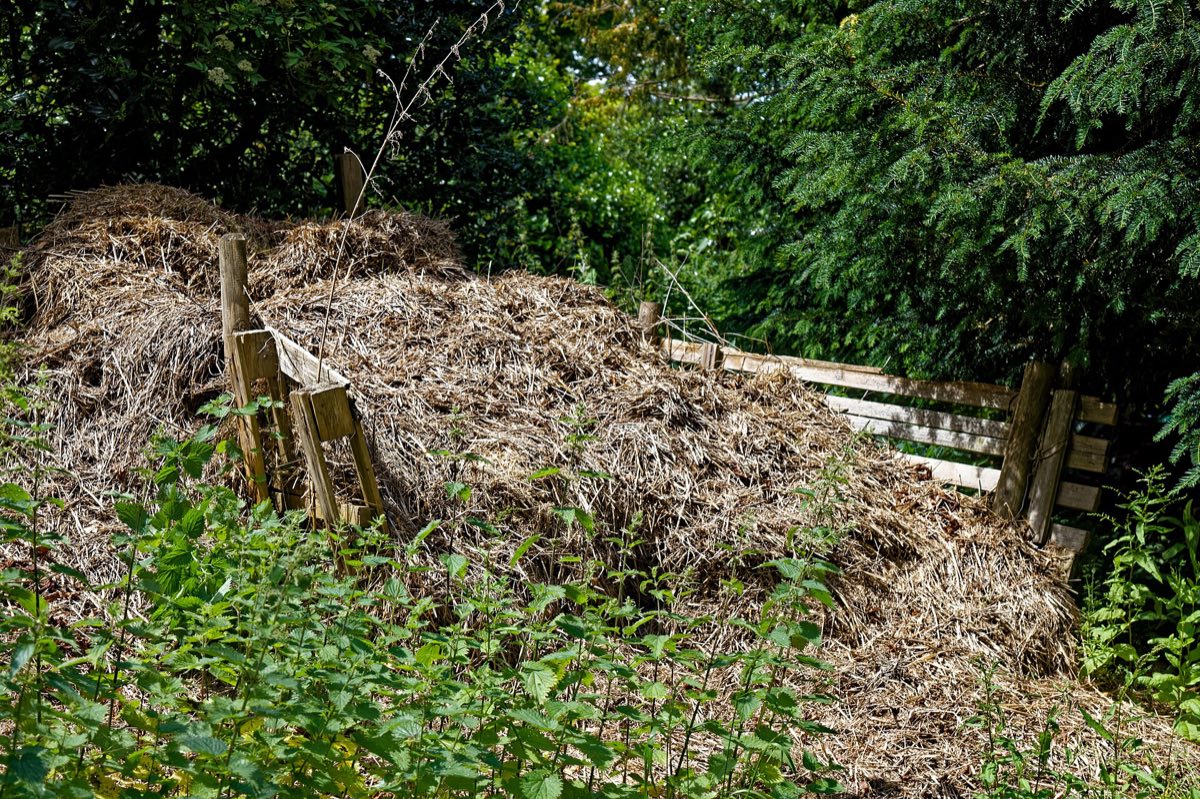
Good soil is the one investment that improves every plant at once. The soil and compost page explains how to read your own soil by hand, why organic matter matters more than fertiliser, how to build a compost heap that actually rots rather than sitting cold and slimy, and how to make leaf mould with nothing more than a bag of autumn leaves and two years of patience. It also covers mulching and when not to dig.
Seeds and propagation
Raising plants yourself is cheaper, more satisfying and gives you types you will never find in a garden centre. The seeds and propagation page covers sowing indoors and outdoors, light and temperature, pricking out and potting on, cold stratification for hardy perennials, and taking cuttings and divisions to multiply what you already have.
Pests and diseases
Every garden has them. The pests and diseases page is built around recognising problems early and choosing the gentlest effective response. It covers slugs and snails, aphids, vine weevils, lily beetles, powdery mildew, grey mould, blackspot and rust, with the emphasis on prevention through spacing, airflow, healthy soil and plant choice.
The cut flower garden
A few rows of flowers grown just for cutting change how you use a garden. The cut flower garden page explains how to lay out a cutting patch, which annuals and perennials last best in a vase, when in the day to cut, how to condition stems, and how to plan for flowers from May to October.
Spent the whole of the first spring buying plants and none of it buying compost. By August half of them were sulking. Second year, reversed the order. Different garden.
Ten things I wish I had known in my first year
None of these are secrets. All of them took me at least one failed season to learn properly.
- The last frost date is an average, not a promise. Half of all years have a frost after it. Tender plants should go out a week or two later than the date suggests, and fleece should stay folded nearby until the end of May.
- Plant in groups, not singles. One of everything looks like a collection, not a garden. Three, five or seven of the same perennial, planted in a loose drift, reads from across the lawn and makes the border feel calm.
- Read the spacing, then believe it. A small pot in April becomes a plant 80 cm wide by July. Crowded plants compete for water, catch mildew and flop. Fill the gaps in the first year with annuals instead.
- Stake before you need to. Peonies, delphiniums and tall asters need support in place while they are still knee high. Once they have fallen over in a summer storm, no amount of string will make them look natural again.
- Slugs win in May. Young shoots of delphiniums, lupins, hostas and dahlias can vanish overnight. Check at dusk with a torch in the first warm wet evenings and you will understand the scale of the problem.
- Water deeply and rarely. A light sprinkle every evening keeps roots near the surface. A thorough soak once or twice a week in dry weather sends them down where the soil stays cool.
- Bulbs go in deeper than you think. The rule of two to three times the bulb's height is a minimum. Shallow tulips flower once and then split into small non-flowering bulbs.
- Leave the seed heads. Cutting everything down in October removes winter shelter for insects, food for birds, and most of the garden's beauty in frost. Tidy in early spring instead.
- Some plants are meant to be short-lived. Lupins, foxgloves and many short-lived perennials decline after a few years. That is not your fault. Let them self-seed or raise a few new ones every year.
- Keep notes. Dates, names, where things were planted, what died and when. Memory is generous; a notebook is accurate.
How to read the plant notes
Throughout the site, individual plants are described in short profiles. They all follow the same pattern so that you can compare them at a glance.
Common name Latin name
Flowers: the months it flowers here. Height: the usual range in this garden.
A description of how it looks, smells and behaves, what it needs and what goes wrong.
Names
The common name comes first because that is how most people think of plants. The Latin name follows in italics, usually at the level of genus and species. Latin names matter when buying seed or plants, because common names vary between regions and the same name can be used for completely different plants. "Marigold" can mean a calendula or a tagetes, and they are very different plants.
Flowering times
Flowering times are from this garden, in this climate. In a mild year they come earlier, in a cold spring later, and the difference can be three weeks either way. If your winters are milder, shift them forward. The order in which plants flower is a much more reliable guide than the months themselves.
Heights
Heights are what plants actually reach here in average soil, not the maximum quoted in a catalogue. Rich, moist soil can add a third; poor dry soil can take a third away. Annuals in particular vary enormously with sowing date and spacing.
Hardiness
Where a plant is not reliably hardy through a winter of minus 15 to minus 20 °C, the note says so. "Tender" means it will not survive any frost and must be lifted or brought in. "Borderline" means it survives most winters with protection but may be lost in a hard one. Everything else can be assumed to be fully hardy here.
Types rather than varieties
Where it helps, notes describe types of a plant, such as "single-flowered pink", "tall blue spike" or "dwarf bushy". That is deliberate. Named cultivars come and go, and the description tells you what to look for whatever name happens to be on the label.
Monthly highlights
The garden calendar breaks the year down month by month, with what is in flower, what to sow, what to plant and what to watch for. Here is a short taste of how it reads.
| Month | In flower | Key job |
|---|---|---|
| January | Nothing outdoors in most years; hellebores in fat bud | Order seed, check stored dahlia tubers for rot |
| February | First snowdrops in a mild spell | Sow sweet peas and slow annuals indoors |
| March | Snowdrops, aconites, early crocuses | Cut back old perennial stems, prune late-flowering shrubs |
| April | Hellebores, scillas, daffodils, forsythia | Sow half-hardy annuals indoors, divide summer perennials |
| May | Tulips, lilac, lily of the valley, bleeding heart | Harden off, stake, watch for late frost |
| June | Peonies, irises, lupins, foxgloves, first roses | Plant out tender plants, mulch while soil is moist |
| July | Roses, delphiniums, lavender, sweet peas | Deadhead, water, cut back early perennials |
| August | Phlox, echinacea, cosmos, zinnias, dahlias | Collect seed, take cuttings, keep watering |
| September | Asters, rudbeckias, sedums, Japanese anemones | Plant daffodils and other spring bulbs |
| October | Dahlias until frost, chrysanthemums | Plant tulips, lift tender plants after first frost |
| November | Seed heads, late chrysanthemums under cover | Collect leaves for leaf mould, protect roses |
| December | Winter structure only | Rest, plan, clean tools |
The full calendar adds sowing windows, planting depths and the small jobs that are easy to forget, such as checking ties on climbers before winter storms or opening cold frames on sunny days in March.
Latest journal notes
The journal is the raw material behind the rest of the site: short dated entries written in the garden or at the kitchen table afterwards. It records weather, first flowers, successes, failures and the occasional small surprise. A few recent extracts give the flavour.
Mid-October. First frost last night, minus 3 °C at dawn. Dahlias blackened by ten o'clock. Left them a week to let the tubers ripen, then lifted. Good fat crowns on the tall red decorative; the small pompons have made less this year, probably too dry in August.
Late October. Planted the last of the tulips, 15 cm deep in the cutting patch, 20 cm in the border where they are meant to come back. Soil still warm enough to work. Leaves raked off the lawn and stuffed into bags behind the shed for leaf mould.
Early November. Asters finally over. Left the stems standing for the birds; the seed heads of the echinacea are already being picked over by finches. Hellebore buds showing at the base, tight and dark.
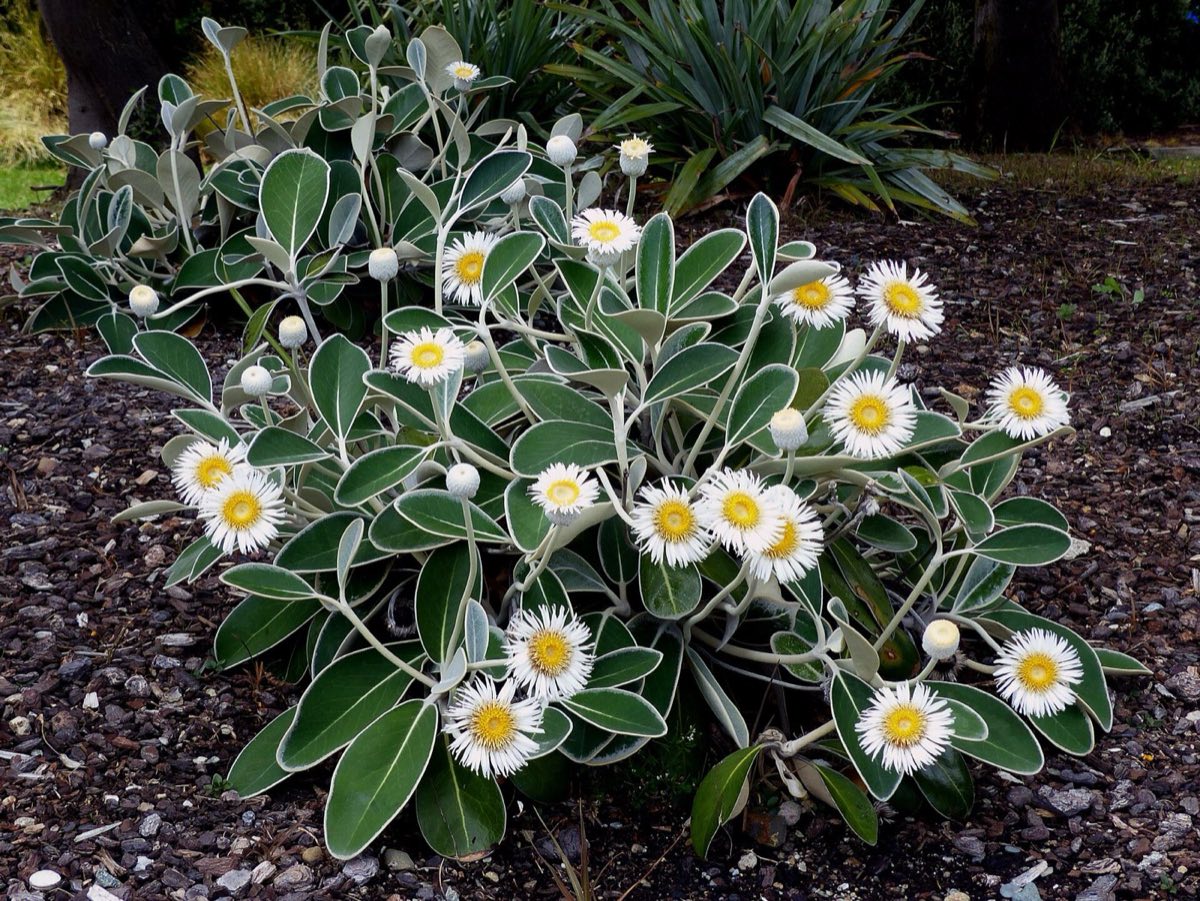
The journal is not polished, and that is deliberate. Its value lies in being honest about what happened rather than what should have happened. If you read back through a few years of entries you will see the same mistakes caught a little earlier each time, which is perhaps the best measure of progress a gardener has.
If you only read one thing on the site, read the season you are in. Then go outside and look at your own garden with fresh eyes. The notes will make more sense in the soil than on the screen. For more about how the site came to be and how the photographs were chosen, see the about page.